
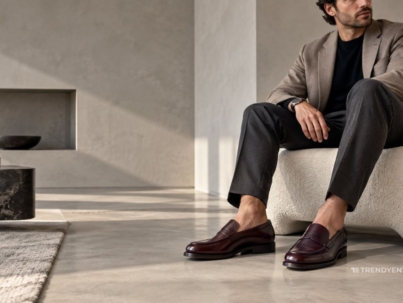
The Best Approach Shoes For Men In 2026: From Mountain Crags To City Streets
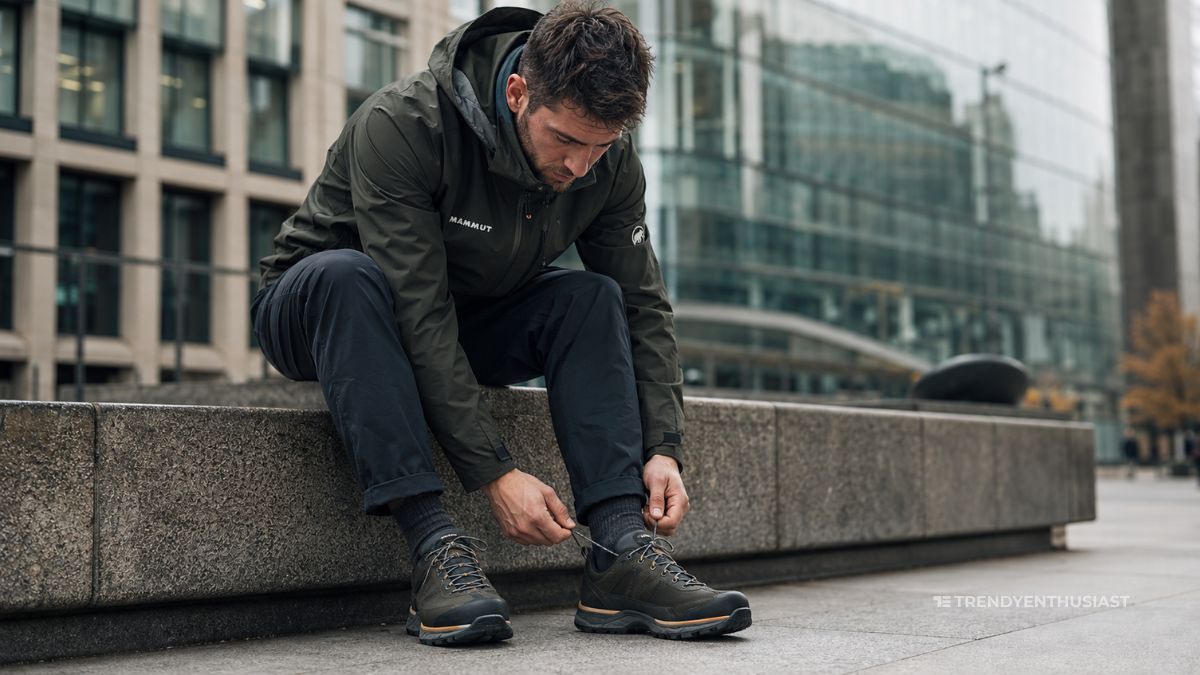
Executive Summary: What Are Approach Shoes Used For?
Approach shoes are specialized hybrid footwear designed for navigating technical rocky terrain on the way to a climb. They combine the walking comfort of a light hiking shoe with the sticky friction grip of a rock-climbing shoe. This makes them ideal for long hiking approaches to the base of a mountain route.
Beyond trail miles, these shoes excel at mountain scrambling and crossing easy fifth-class rock. Their sticky rubber climbing zones provide essential toe precision on narrow footholds and technical ledges.
Purchases made through our links may earn us a commission, at no extra cost to you. As an Amazon Associate, we earn from qualifying purchases.
Our Top Picks at a Glance
Editor's ChoiceWhat are approach shoes used for in a modern context? Technically, they are built to carry climbers across uneven terrain, rocky scree, and technical scrambles before they clip into a climbing harness at the base of a route.
However, for the modern urbanite, Mountain approach shoes represent the ultimate intersection of style, traction, and durability. Unlike traditional hiking boots that feel overly clunky on hard surfaces, or lightweight trail runners whose soft lugs wear down rapidly on concrete, Approach footwear is purposefully engineered for hybrid environments.
The Anatomy of an Approach Shoe: Technical Design Mechanics
To understand why Approach Shoes perform so exceptionally well on both a wet bouldering crag and a sleek high-street pavement, one must examine their technical DNA. Every element of their construction serves a precise ergonomic or protective purpose.
Anatomy of an Approach Shoe
Technical Breakdown
Heel Loop / Pull Tab
01
Quick clipping to carabiners and harness attachment during climbs.
Upper Material
02
Suede uppers, Nubuck, or Breathable mesh for durability and climate comfort.
Lacing System
03
To-the-toe lacing (extended lacing) for precise volume adjustment and lockdown.
Rand Protection
04
High rubber rand & protective side bumpers against abrasion and rock scuffs.
Midsole Layer
05
Stiff midsole for edging stability paired with cushioned midsoles for shock absorption.
Outsole Platform
06
Sticky rubber outsole with shallow treads & smooth Climbing Zone / Rock edge for friction grip.
Premium Uppers & Weather Resistance
Traditional models rely heavily on rich suede uppers and heavy-duty nubuck, offering natural abrasion resistance and a refined, tactile aesthetic. Modern technical variations incorporate a lightweight breathable mesh lined with a waterproof Gore-Tex membrane to ensure total weather resistance during damp mountain ascents or rainy urban walking.
Precision Lacing & Protective Randing
A defining visual characteristic of Climbing-inspired shoes is their to-the-toe lacing (often referred to as extended lacing). Inspired by performance climbing shoes, this design allows you to adjust the internal volume precisely across the entire foot.
Surrounding the shoe is a heavy-duty high rubber rand alongside protective side bumpers, safeguarding the leather from jagged rocks and city kerbs alike. At the rear, a reinforced heel loop (or heel pull tabs) allows you to clip your pair directly onto a pack using carabiners.
Soles, Midsoles & Traction Mechanics
Underfoot, Approach boots strike a deliberate balance between rigidity and comfort:
- The Midsole Platform: A stiff midsole provides essential torsional stability when standing on narrow rock ledges, while integrated cushioned midsoles deliver crucial shock absorption during heel-strike on long hikes.
- The Outsole Unit: Rather than the deep, aggressive sole units found on traditional field boots, these shoes feature shallow treads paired with a flat, smooth smooth zone at the front called the rock edge. This flat zone maximizes surface contact, delivering extraordinary friction grip and pinpoint edging ability on flat stone.
- Rubber Compounds: Specialized sticky compounds -such as Vibram Megagrip or proprietary Contagrip outsoles- allow the shoe to stick securely to slick surfaces where standard rubber would slip.
Categorical Comparison: Approach Shoes vs. Alternative Outdoor Footwear
Choosing the right pair of Outdoor trainers depends on understanding how different footwear categories function across various environments.
Footwear Comparison
At A Glance| Category | Build & Sole | Rigidity | Best Primary Use |
|---|---|---|---|
| Approach Shoes | Shallow treads, sticky rubber, suede/mesh | Med – High | Scrambles, via ferrata & city walking |
| Trail Runners | Deep lugs, soft rubber, breathable mesh | Low | Fast off-road running on dirt trails |
| Walking Boots | Deep channels, heavy leather/synthetic | High | Heavy backpack trekking & long hikes |
| Climbing Shoes | Smooth tacky rubber, unlined leather | Very High | Vertical rock face climbing only |
Key Differences & Long-Tail Context
Approach Shoes vs Trail Runners
When evaluating Approach shoes vs trail runners, the primary distinction lies in tread design and durability. Trail runners utilize deep, soft lugs designed to dig into loose mud on a dirt trail. When worn on pavement, these lugs wear down rapidly and feel unstable. Conversely, Mountain approach shoes feature a denser sticky rubber outsole with shallower treads that resist abrasive city surfaces exceptionally well.
Approach Shoes vs Walking Boots
Traditional walking boots offer rigid ankle coverage designed for carrying heavy loads over long distances, but they lack dexterity. Approach footwear utilizes a low profile design that offers superior agility, higher toe clearance, and better ground feel, making them far more practical for casual wear.
Approach Shoes vs Climbing Shoes
Pure climbing shoes feature tight, asymmetrical fits designed strictly for vertical walls—making them virtually impossible to walk in across flat ground. Climbing-inspired shoes incorporate the grippy rubber compounds and climbing DNA of rock shoes, but house them inside a comfortable, flat-soled silhouette built for walking hours on end.
The Gorpcore Cross-Over: From Mountain Performance to Urban Style
The rise of the Gorpcore approach shoes trend represents a natural convergence of technical utility and contemporary menswear. Over the past few seasons, functional outdoor gear has migrated from remote campsites and high alpine basecamp locations directly into fashion weeks, design studios, and urban street culture.
| Outfit Aesthetic | Top Layer | Trouser Selection | Footwear Anchor |
|---|---|---|---|
| Look 1: Urban Utilitarian | Mammut Shell / Technical Anorak | Tapered Ripstop Cargo Trousers | Mammut Ultimate Pro Low GTX or Salomon X Ultra Pioneer |
| Look 2: Heritage Casual | Heavyweight Flannel Shirt / Waxed Jacket | Heavyweight Selvedge Denim (Cuffed) | Mammut Mercury IV Low GTX or Suede Scarpa Mojito |
| Look 3: Modern Luxury Hybrid | Unstructured Cashmere Blazer / Fine Knit Polo | Relaxed Wool Trousers | Handcrafted Leather La Sportiva TX4 Evo |
Why Technical Footwear Works in the City
- Engineered for Hard Surfaces: The high-density rubber compounds designed for abrasive granite crags make these shoes incredibly resilient on concrete pavements.
- Refined Low-Profile Aesthetics: Unlike oversized, chunky hiking boots, low-profile sneakers and approach silhouettes maintain clean lines that sit neatly under modern trouser hems.
- Utilitarian Elegance: Features like extended lacing, contrasting rubber rands, and tactical heel loops add structural visual interest to otherwise minimalist outfits.
For those seeking Approach shoes that look good with jeans, pairing dark selvedge denim or relaxed workwear trousers with textured suede approach shoes creates a balanced, utilitarian look suitable for a weekend pub lunch or casual office environment.
The Best Brands Making the Coolest Approach Shoes in 2026
Here is the definitive breakdown of the top labels manufacturing the coolest approach shoes 2026 has to offer, ranging from core mountain outfitters to luxury fashion houses.
1. La Sportiva
La Sportiva - Verdict
At A GlancePROS
+
Vibram® Grip: Top traction on rock & street.
+
Bomb-Proof: Durable leather & rubber rands.
+
Roomy Fit: Wide toe box avoids pinching.
CONS
-
Sole Wear: Soft rubber wears fast on concrete.
-
Break-In: Stiff leather requires short wear-in.
-
Price: Premium cost vs standard trainers.
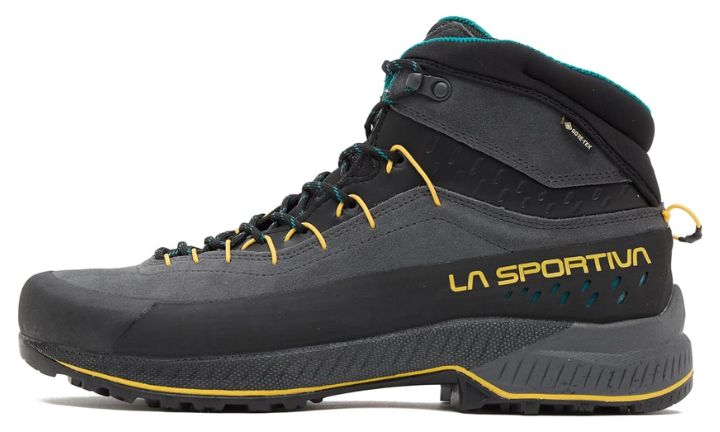
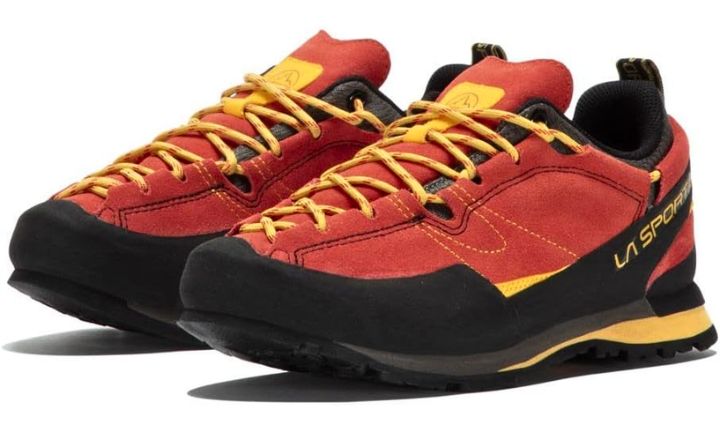
Hailing from the Italian Dolomites, La Sportiva is widely regarded as the benchmark brand for technical alpine equipment.
- Key Models: La Sportiva TX4 Evo & La Sportiva Boulder X
- Highlights: The TX series represents the gold standard in technical scrambling. Featuring wide toe boxes, rugged leather construction, and ultra-sticky Vibram rubber, these models offer bomb-proof construction that handles vertical rock faces and city streets with equal ease.
2. Scarpa
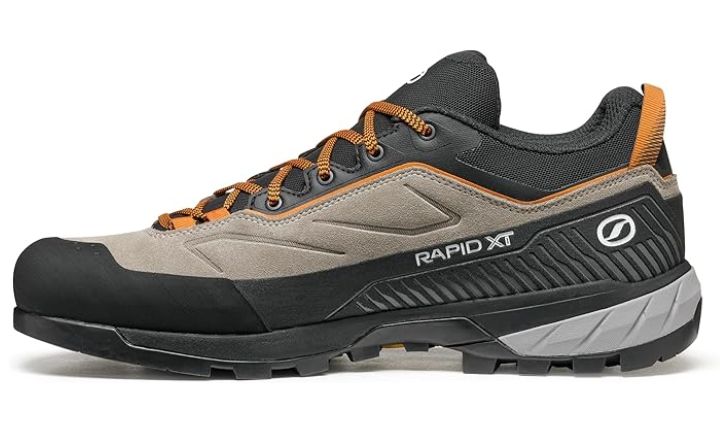
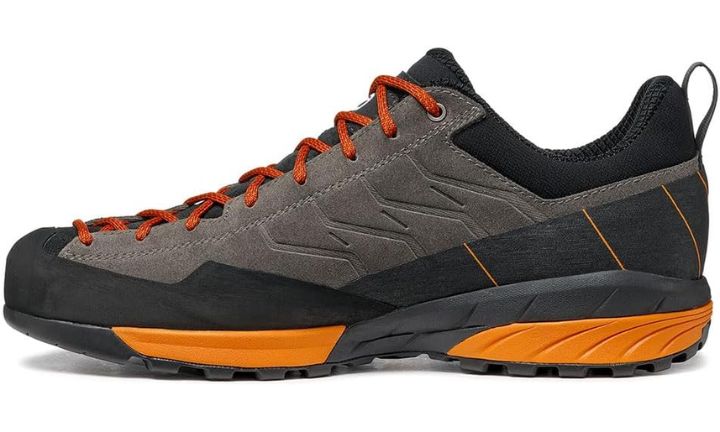
Scarpa - Verdict
At A GlancePROS
+
Italian Design: Refined suede & clean style for urban wear.
+
Custom Fit: To-the-toe lacing for glove-like lockdown.
+
Vibram® Sole: Dependable grip on rocky trails & streets.
CONS
-
Suede Care: Requires waterproofing against dirt & rain.
-
Narrow Fit: Snug forefoot may require sizing up for wide feet.
-
Less Rigid: Softer flex prioritises walking over vertical edging.
Another legendary Italian manufacturer, Scarpa excels at crafting footwear that hits the sweet spot between technical performance and understated European refinement.
- Key Model: Scarpa Rapid XT or Scarpa Mescalito
- Highlights: A true cult classic. The Mescalitofeatures vibrant suede uppers, distinctive to-the-toe lacing, and a lightweight Vibram sole. It remains one of the most versatile mens approach shoes UK consumers can buy for everyday wear.
3. Salomon
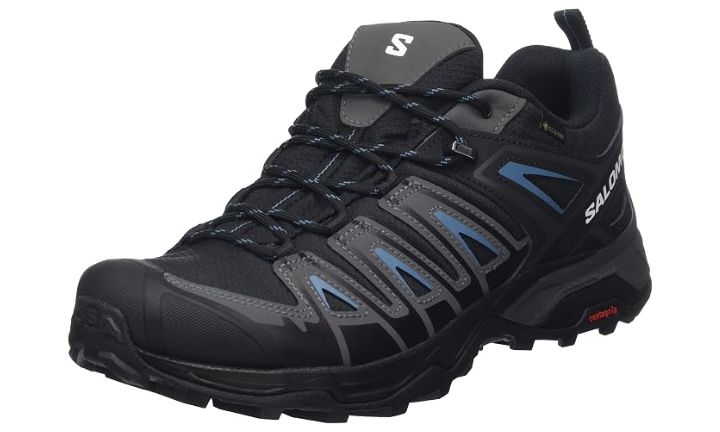
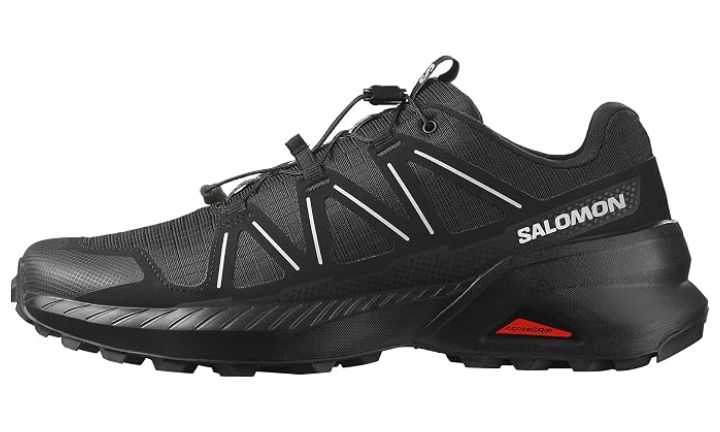
Salomon - Verdict
At A GlancePROS
+
Advanced Chassis: Outstanding stability & foot support.
+
Contagrip® Sole: Reliable traction across trails & wet streets.
+
Instant Comfort: Athletic fit with zero break-in period required.
CONS
-
Tech Aesthetic: Sporty look is harder to pair with tailoring.
-
Narrow Midfoot: Athletic last can feel snug on wider feet.
-
Cushion Wear: Soft EVA midsole wears faster on concrete.
While Salomon gained massive mainstream popularity through the iconic Salomon XT-6 trail runner, the French outdoor giant possesses deep heritage in technical alpine footwear and low-profile hiking shoes.
- Key Model: Salomon X Ultra Pioneer or Speedcross
- Highlights: Engineered with an Advanced Chassis framework that provides exceptional lateral stability and foot support on uneven terrain. Features proprietary Contagrip outsoles for dependable traction, a reinforced toe cap for durability, and a clean, athletic silhouette that seamlessly transitions from rugged hiking trails to everyday urban wear.
4. Mammut
Mammut - Verdict
At A GlancePROS
+
Gore-Tex Shield: Total waterproofing & weather protection.
+
Swiss Support: Superior heel hold & lateral stability.
+
Vibram® Sole: Dependable grip on wet trails & streets.
CONS
-
Utilitarian Look: Subdued styling is less fashion-forward.
-
Firm Cushioning: Stiffer midsole requires brief break-in.
-
Premium Cost: Higher price point reflecting Swiss quality.
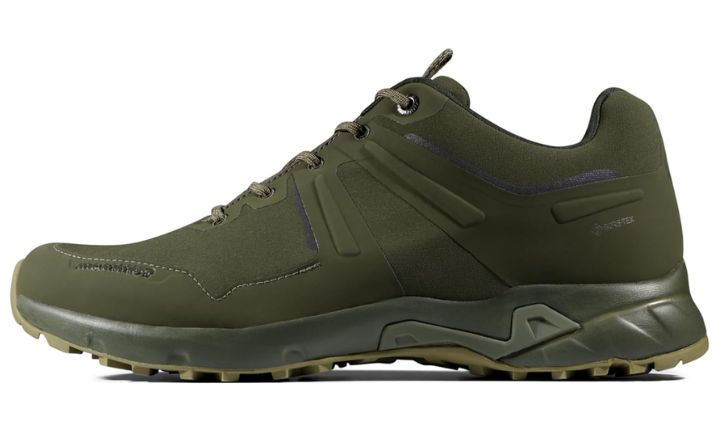
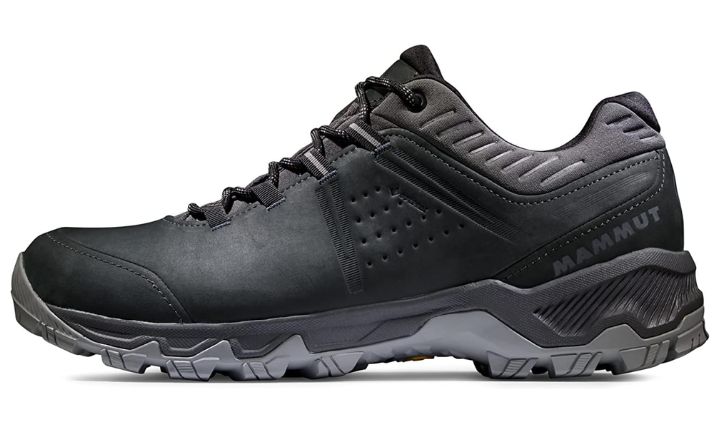
Swiss mountaineering heritage label Mammut brings over 160 years of alpine engineering experience to its technical footwear range, blending ergonomic precision with a clean, European aesthetic.
- Key Models: Mammut Ultimate Pro Low GTX & Mammut Mercury IV Low GTX
- Highlights: The Mammut Ultimate Pro Low GTX features a seamless softshell construction with integrated TPU elements and a grippy sole platform, offering a sleek, technical profile. Meanwhile, the Mammut Mercury IV Low GTX uses sustainably produced terracare® leather paired with a flexible Vibram outsole, cushioned midsoles for shock absorption, and complete weather resistance.
5. Black Diamond
Black Diamond - Verdict
At A GlancePROS
+
BlackLabel Grip: Exceptional friction on steep rock & slab.
+
Sleek Profile: Lightweight, low-profile design for street & crag.
+
Tough Build: Abrasion-resistant uppers handle rock scuffs.
CONS
-
Snug Fit: Precision climbing last can feel narrow on wide feet.
-
Thinner Cushion: Minimal padding for high-mileage street walks.
-
Non-Waterproof: Focuses on breathability over rain protection.
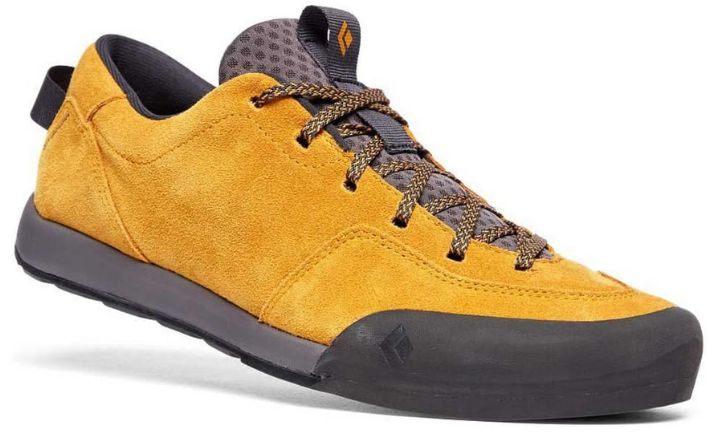
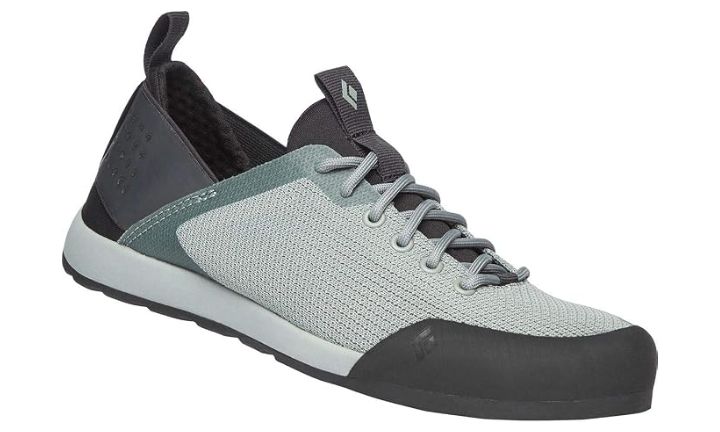
As a titan in the global climbing community, Black Diamond approaches footwear design from a pure performance standpoint. Famous for engineering world-class hardware, the brand’s approach footwear carries that same precision and utilitarian aesthetic.
- Key Model: Black Diamond Technician (or Prime)
- Highlights: Features hyper-sticky BlackLabel rubber for exceptional friction grip on steep slab rock, an ultra-durable synthetic upper built to resist abrasion, and a sleek, low-profile design. With a lightweight construction and minimalist look, it transitions effortlessly from a remote bouldering crag to urban city pavement.
6. Salewa
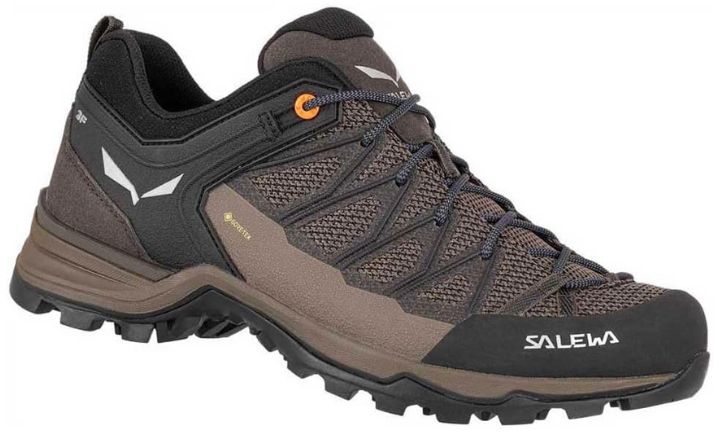
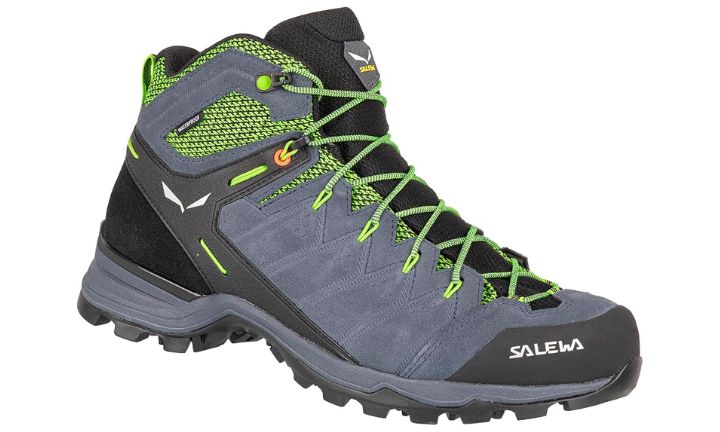
Salewa - Verdict
At A GlancePROS
+
3F System: Outstanding heel hold & lateral stability.
+
Pomoca Sole: Sticky friction grip on rock & scree.
+
Custom Fit: To-the-toe lacing for scrambling precision.
CONS
-
Stiffer Flex: Less cushioned for long flat pavement walks.
-
Tech Styling: Aggressive alpine look is harder to dress up.
-
Snug Last: Precision fit can feel tight on wider feet.
Originating from the heart of the Italian Dolomites, Salewa is renowned for engineering high-altitude footwear with distinctive, modern styling and ergonomic precision.
- Key Model: Salewa Trainer or Alp
- Highlights: Incorporates the brand’s signature 3F system for exceptional heel hold and lateral stability on uneven terrain. Equipped with a sticky Pomoca rubber outsole, to-the-toe lacing for a customizable fit, and a robust upper with a protective rand, the trainer delivers serious technical scrambling performance alongside a sharp, outdoor-inspired visual edge.
Alpine Performance: Field Testing in Scrambling & Via Ferrata Environments
While approach footwear has earned a prominent place in urban fashion, its true capabilities are forged in demanding mountain conditions across the Alps, the Italian Dolomites, or the crags of the Lake District and Snowdonia.
| Equipment Layer | Integrated Alpine Gear |
|---|---|
| System 01 Hardware | Carabiners, DMM & Petzl Belay Devices |
| System 02 Gear Pack | Osprey Alpine Pack with Chalk Bag Attachment |
| System 03 Safety | Climbing Harness & Helmet |
| System 04 Footwear Anchor | Approach Shoes with Vibram Megagrip & Dedicated Rock Edge for Edging Ability |
Navigating Technical Terrain
When embarking on a steep approach hike toward the Eiger or Mont Blanc, footwear needs to perform across distinct terrain types:
- Scree & Dirt Trails: On a loose dirt trail, the shoe’s mid-foot lugs provide traction during steep descents.
- Technical Scrambling: When stepping onto exposed rock, the climber relies on the shoe’s rock edge and sticky rubber to maintain a firm friction grip on narrow footholds.
- Via Ferrata Routes: On iron-rung climbing paths (via ferrata), a stiff mid-sole platform prevents foot fatigue by distributing pressure evenly across the arch.
Synergy with Climbing Hardware
During complex multi-pitch climbs, once you reach the base of the rock face or a comfortable belay stance, you swap your approach shoes for aggressive climbing shoes. Using the integrated heel loop, you clip your approach shoes directly to your climbing harness alongside your carabiners, climbing chalk, and protection gear from specialized brands like Petzl, DMM, Climbing Technology, or Camp USA, packing everything securely into an Osprey mountain pack.
Gentleman’s Buyer’s Guide: Sizing, Fit, and Sartorial Styling
Investing in the right pair of Premium approach shoes for men requires balancing technical fit parameters with your personal style preferences.
| Outfit Aesthetic | Top Layer | Trouser Selection | Footwear Anchor |
|---|---|---|---|
| Look 1: Urban Utilitarian | Arc'teryx Shell / Technical Anorak | Tapered Ripstop Cargo Trousers | Low-Profile Salomon X Ultra Pioneer or ROA Katharina |
| Look 2: Heritage Casual | Heavyweight Flannel Shirt / Waxed Jacket | Heavyweight Selvedge Denim (Cuffed) | Suede Scarpa Mojito or Galibier Super Varappe |
| Look 3: Modern Luxury Hybrid | Unstructured Cashmere Blazer / Fine Knit Polo | Relaxed Wool Trousers | Handcrafted Leather Diemme Bardolino |
Still not sure how to style? Check out our free tool: Dress Code Decoder.
Sizing and Fit Considerations
- For Everyday Walking: If your main goal is approach shoes for city walking or your approach shoes for daily commute, select your standard sneaker size. This leaves adequate room for casual cotton or merino socks without pinching.
- For Wide Feet: If you need comfortable approach shoes for wide feet, look toward models like the KEEN Jasper or La Sportiva TX4 Evo, which feature wider toe boxes and forgiving leather uppers.
- For Technical Scrambling: If you need the best approach shoes for scrambling, consider sizing down by a half-size to achieve a snug, precise fit that minimizes internal foot slip on steep rock.
Leather vs. Waterproof Membranes
- Unlined Leather & Suede: Offer superior breathability and mould naturally to the shape of your foot over time. Ideal for warm-weather hiking and general city wear.
- Gore-Tex Lining: Choose waterproof approach shoes for hiking if you regularly encounter wet trails or rain during damp British winters.
Frequently Asked Questions
Yes. Modern approach shoes feature supportive cushioned midsoles that provide excellent comfort over long distances. However, for carrying heavy backpacks over multi-day treks, traditional walking boots offer more ankle support.
For general wear, they should fit comfortably like a regular outdoor trainer. For technical rock scrambling, they should fit snugly around the toes to maximize precision on small rock ledges.
Incredibly so. Their dense rubber compounds and flat outsole profiles make them exceptionally durable on concrete, offering far better longevity on pavement than soft-lugged trail runners.
As a specialized hybrid outdoor footwear, approach shoes are best used for traversing rough terrain, technical talus slopes, and scree-laden boulder fields to reach the base of a rock climb. Designed to blend the trail comfort of a light hiking shoe with the high-friction sticky rubber traction and precise toe-climbing zone of a technical rock-climbing shoe, this footwear excels at low-grade rock scrambles and technical hiking.
Finding the best approach shoes in 2026 requires a fine balance between long-distance hiking comfort and precise technical climbing grip. Our top recommendations lead with the La Sportiva TX4 Evo for exceptional durability, alongside the ultralight La Sportiva TX2 Evo for agile climbing performance. Meanwhile, the Scarpa Rapid XT excels on technical trails by offering plush comfort without sacrificing sticky grip. Ultimately, choosing between La Sportiva and Scarpa comes down to your preference for all-day hiking support versus pure rock agility.
For technical scrambling, world-renowned climber Alex Honnold turns to his go-to and favorite approach shoe: the lightweight La Sportiva TX2 and its updated version, the TX2 Evo. This prized footwear features a highly breathable upper paired with sticky Vibram rubber, delivering unmatched friction and support on technical terrain where precision scrambling requires dependable rubber traction.
Yes, you can wear approach shoes every day for casual daily wear, as they blend rugged outdoor style with exceptional comfort. However, doing so sacrifices their longevity. While their soft rubber soles provide great grip and reliable outdoor traction on technical terrain, walking on pavement or concrete causes the soft sticky rubber on the soles to wear out extremely fast. Ultimately, while you gain effortless grip and off-duty style, constant urban pavement pounding will quickly compromise their performance.
To select the right approach shoes, stick with your normal size to guarantee a snug fit—there is no need to size down. If you prefer to size up a half-size for a more comfortable fit, choose a shoe with a customizable lacing system so you can secure the bridge of your foot for a precise fit. An adaptable lacing system ensures a tailored fit across the bridge of your foot.
While you can trail run in approach shoes, many models compromise comfort and traction. Because they typically lack aggressive lugs, they may falter when moving fast over soft dirt, slick mud, or other loose surfaces. Lacking deep lugs for fast travel across uncompacted surfaces, they are far better suited for scrambling than dedicated running.
Further Reading


Ali Taimour
Ali Taimour is the founder and editor of Trendy Enthusiast, a men's digital publication dedicated to fashion, grooming, lifestyle, and culture.
Connect on Instagram