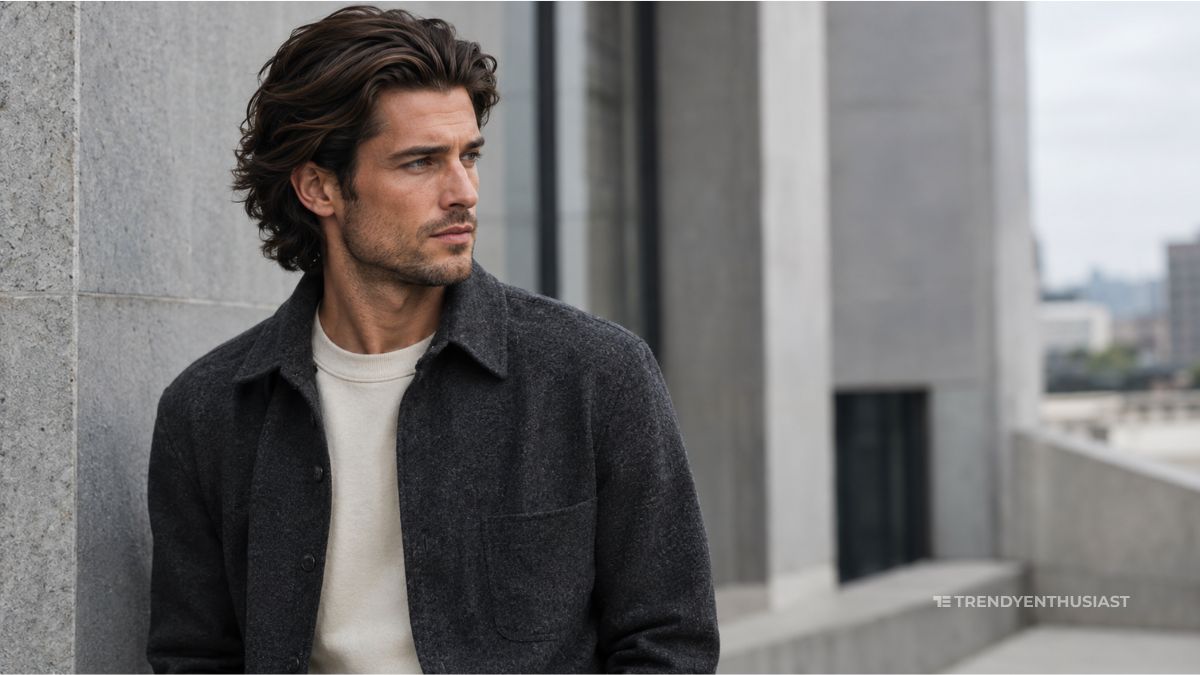
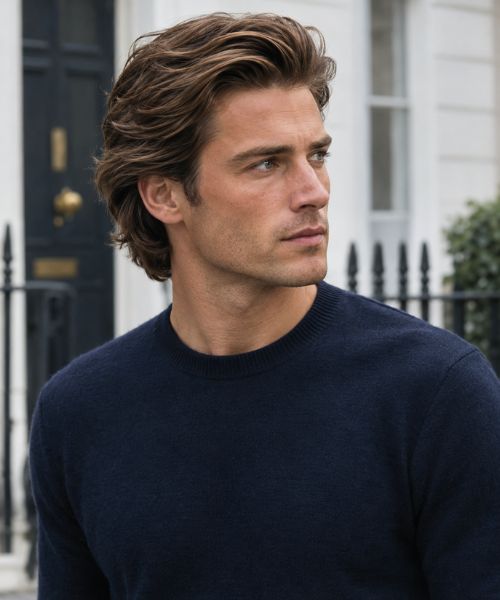
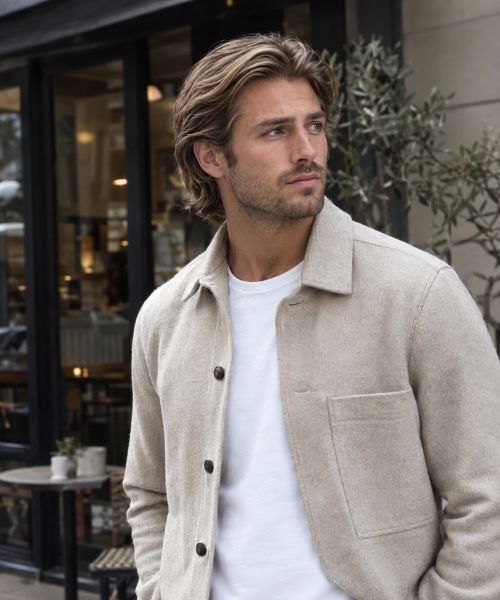
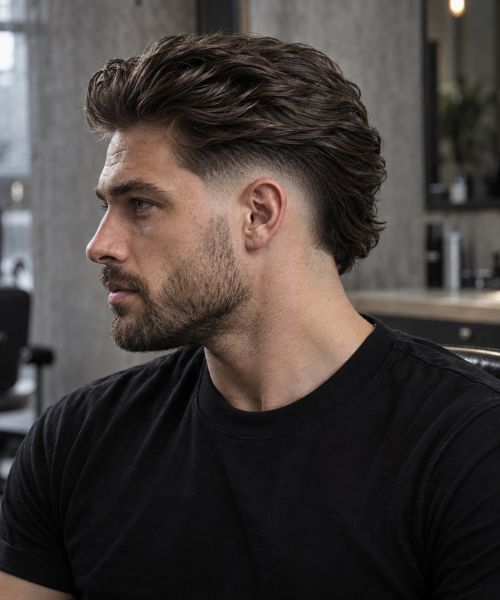
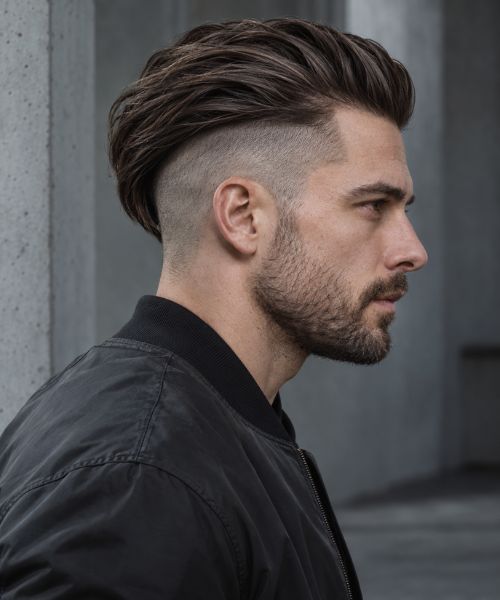
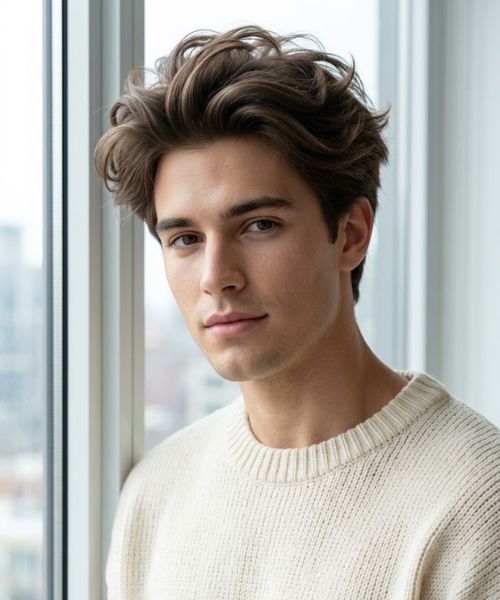
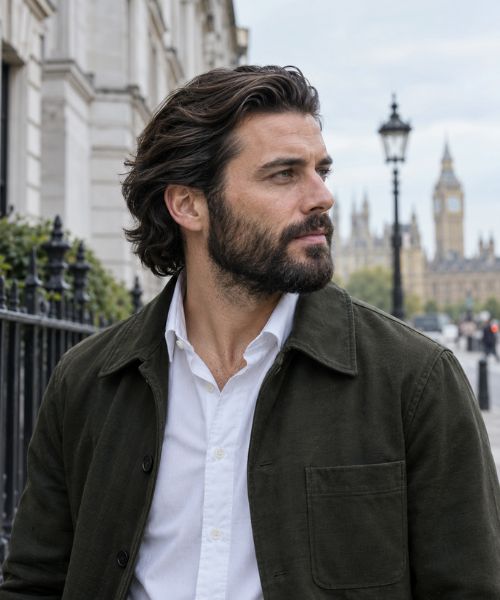
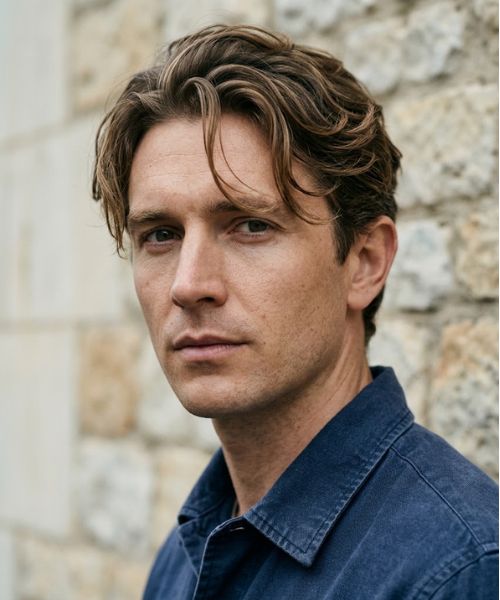
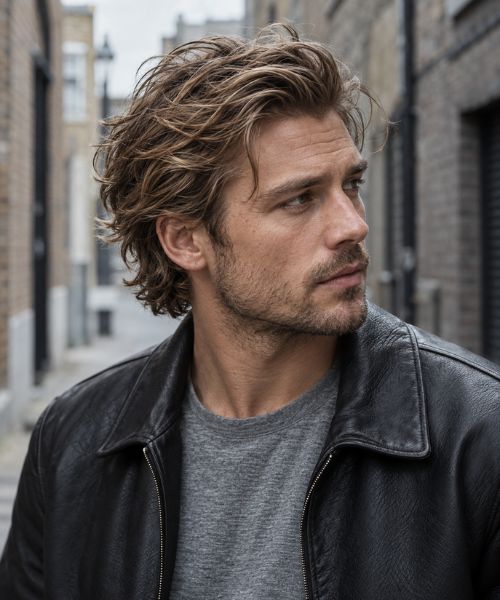
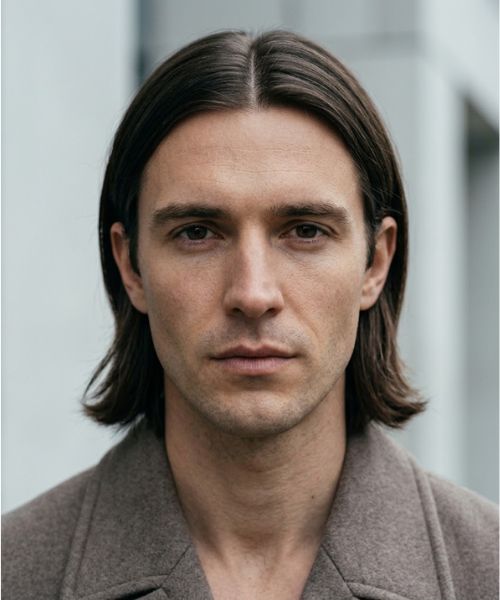
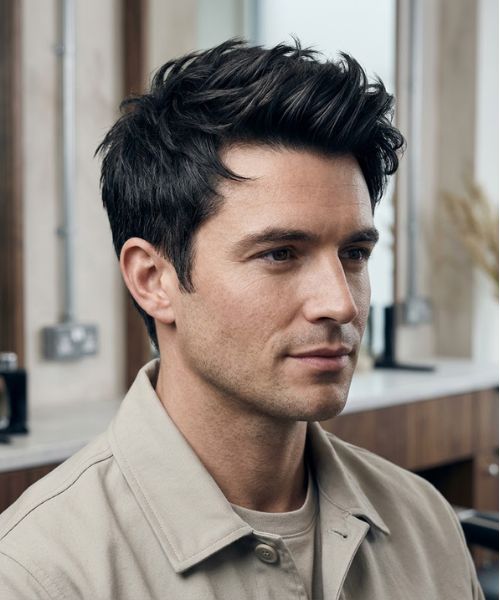
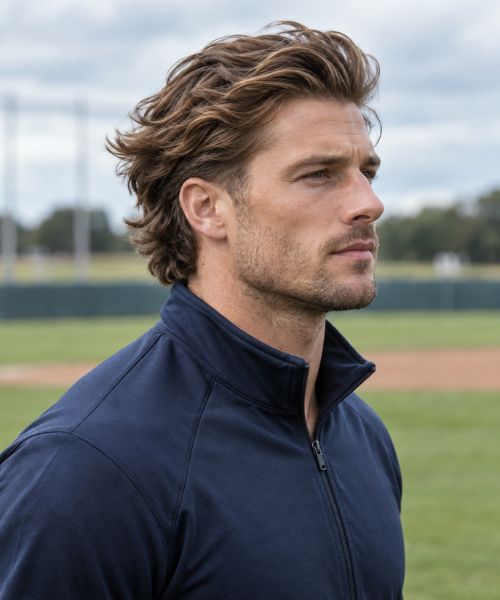
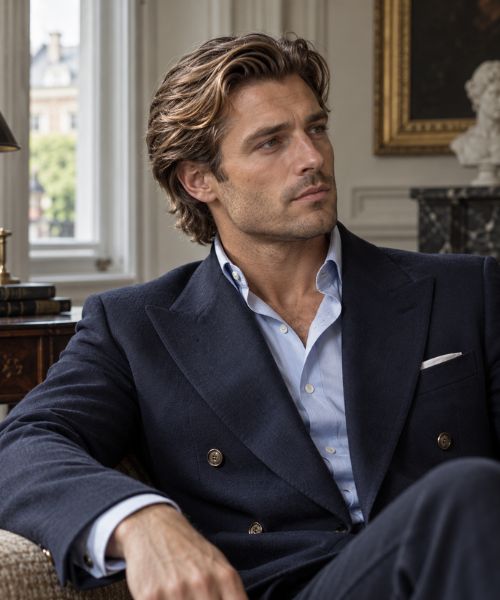
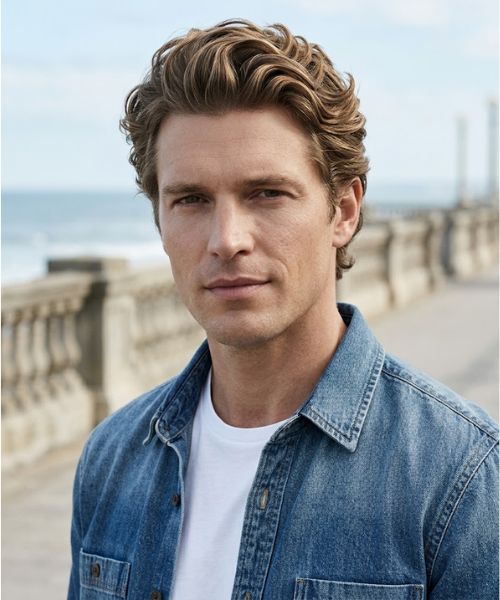
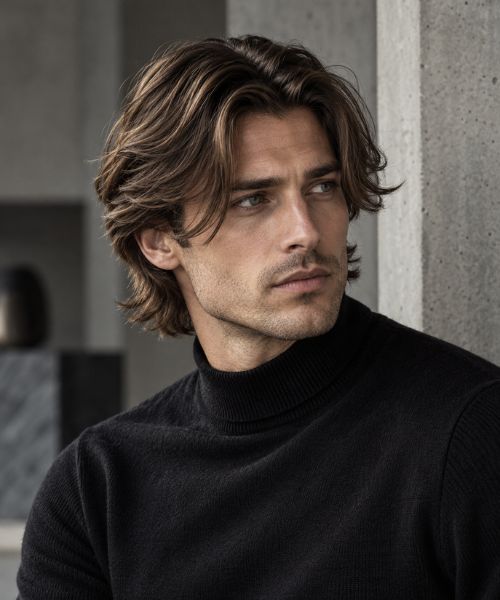
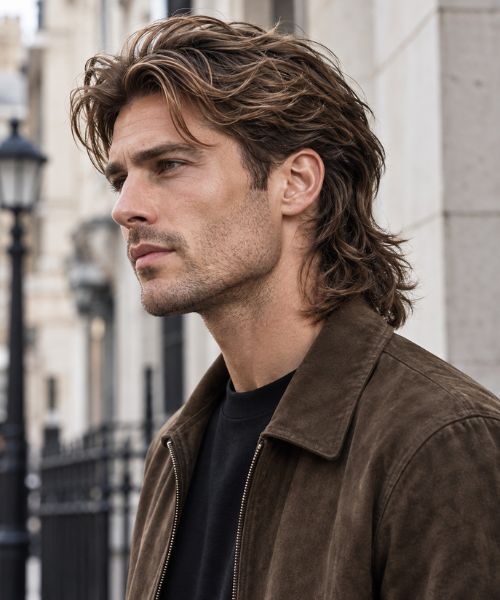
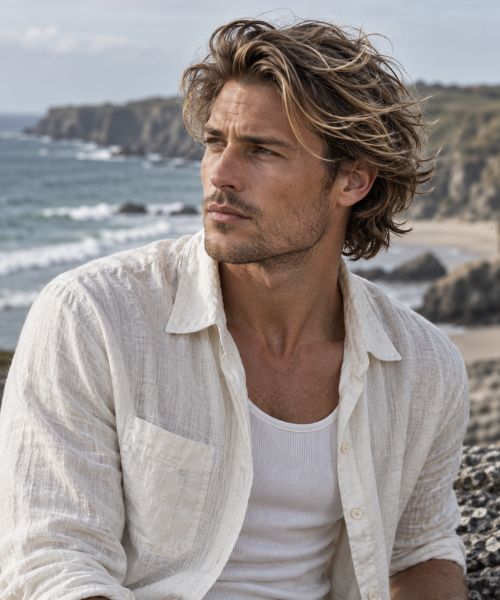
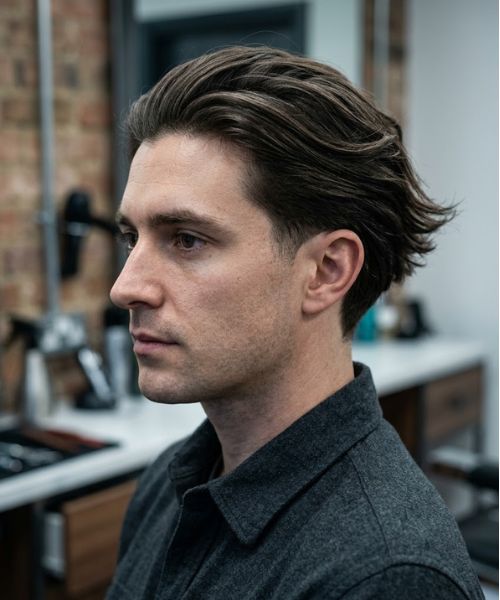
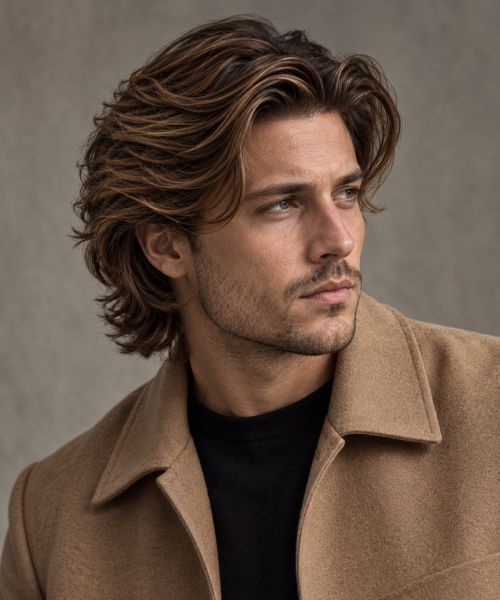
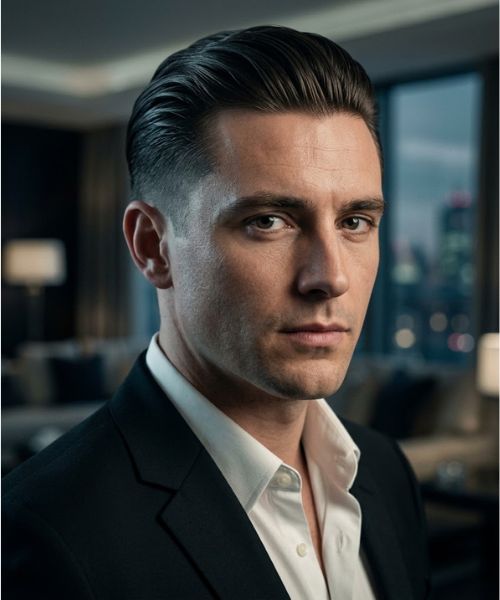
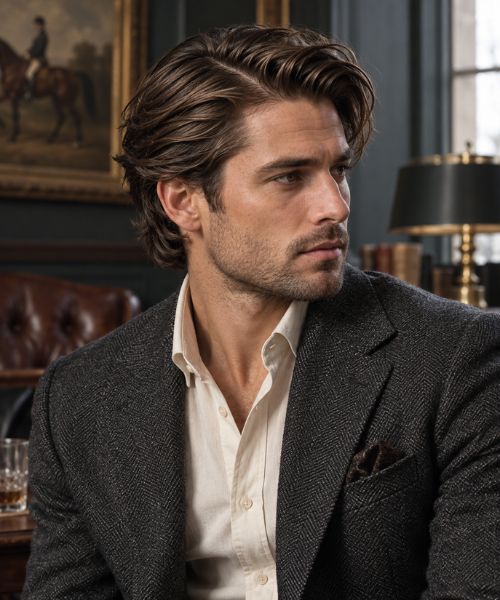
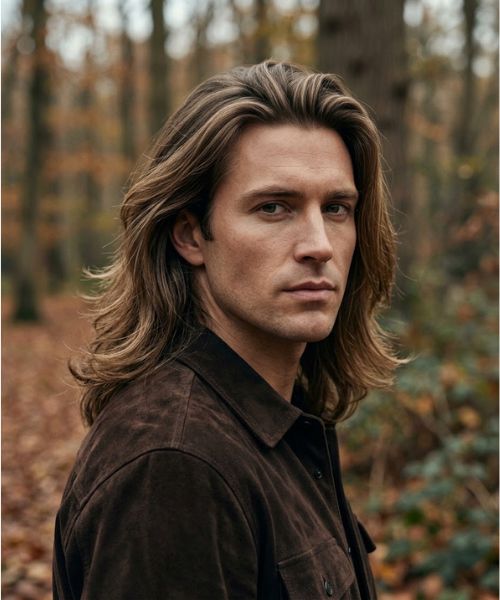
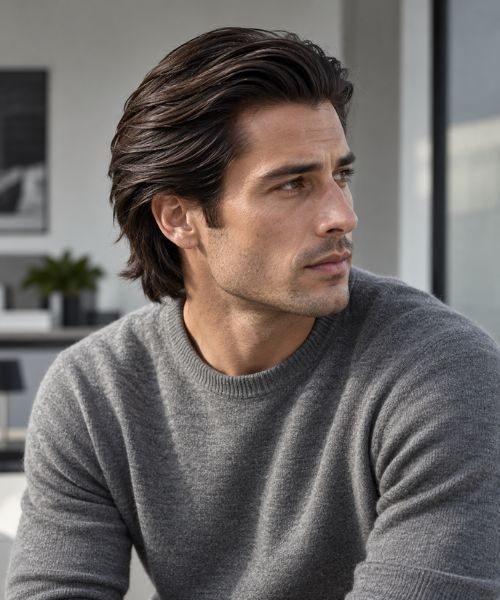
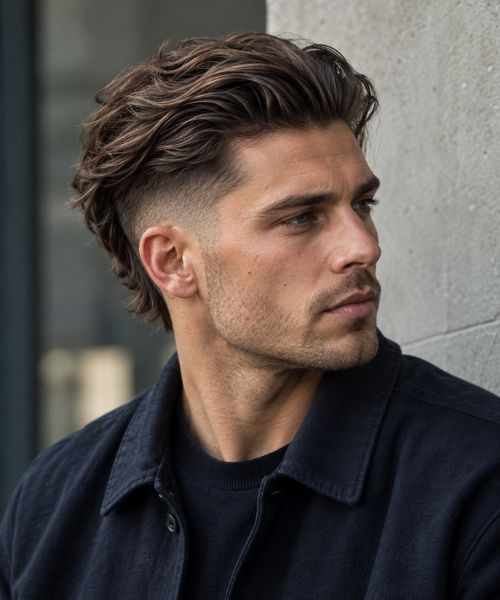
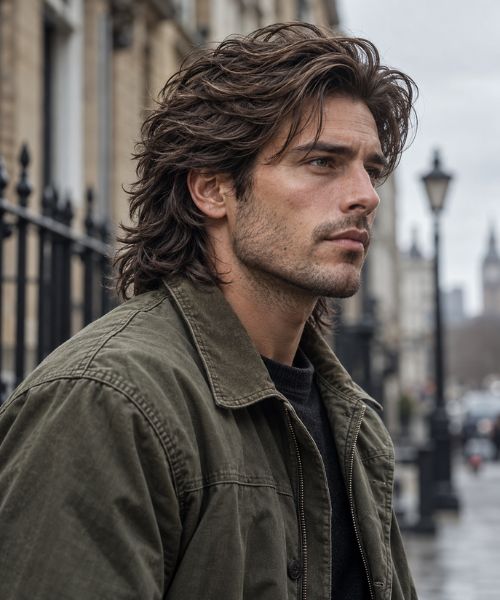
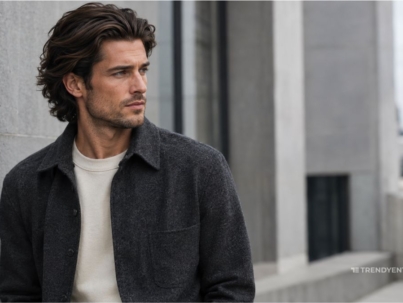
The flow haircut is a medium-to-long men’s style built on natural backward movement, soft layering and low-effort upkeep.
Search interest has held steady since 2024, driven this year by hockey-drama television and barbershop demand for lower-maintenance texture.
What Is a Flow Haircut?
A flow haircut is medium-to-long hair styled to move backward from the face using soft, blended layers rather than heavy structure.
As part of a broader modern grooming standards flow haircut also called bro flow or hockey hair, it relies on natural texture and weight distribution instead of a hard part or aggressive fade.
The style traces back to Victorian side-swept fashion, resurfaced through 1990s ice hockey culture, and has had a documented resurgence in 2026 by the TV series Heated Rivalry and Off Campus, which put “hockey hair” in front of a mainstream audience.
Flow Haircut vs Bro Flow
Bro flow is the original, casual version of the style; flow haircut is now the umbrella term covering every structured variation of it.
Flow Haircut vs Bro Flow: What's Actually Different
Bro Flow
Flow Haircut
Layering
Minimal to none
Soft, deliberate internal layers
Origin
1990s hockey/skate culture
Umbrella term, 2020s barbering
Barber instruction
“Just let it grow and push it back”
Specific length, direction and blend requests
Maintenance
Occasional trim
Scheduled 4–6 week trim
Best for
Thick, high-density hair
Any density, with the right variant
30 Flow Haircut Types for Men
Each style below solves for a specific hair type, face shape or maintenance level pick by what you’re working with, not by what looks best on someone else’s head.
1. Classic Flow
Long layers swept straight back with no fringe or side detail. Best on straight-to-wavy hair with natural body; needs volumising product to avoid falling flat by midday.
2. Bro Flow
The archetype: hair growing past the ears, flowing back on its own with minimal shaping. Works on thick or medium-density hair; thin hair collapses without root lift.
3. Hockey Flow
Slightly longer at the nape and crown, tucked or pushed straight back. The style most directly tied to the current TV-driven trend cycle.
4. Modern Flow
Center-parted top with layers flowing back on both sides. Sits between casual and polished, the safest option for office environments.
5. Burst Fade Flow
A rounded fade that curves around the ear, blending into medium-long flowing top. Highest-contrast option on this list; needs fade upkeep every 2–3 weeks separate from the flow trim.
6. Undercut Flow
Shaved or closely cropped sides against long, swept-back top. Maximum contrast, minimum blending, best for thick hair that holds shape on top.
7. Fluffy Flow
Airy, lifted layers with a short tapered side. Needs damp-hair mousse application to build lift before the hair dries.
8. Flow with Beard
Medium-long flow paired with a full, blended beard. The beard line should taper into the sideburn so the two grow as one shape, not two separate zones.
9. Textured Fringe Flow
Shorter sides, longer top, loose fringe left over the forehead. Suits wavy or curly texture; texture clay defines the curl pattern without crunch.
10. Messy Flow
Deliberately tousled, uneven layers with heavy texture product. Reads casual by design, avoid on this style if you need a polished finish.
Free Tool
Not Sure Which Flow Suits Your Face?
Run your face shape through the Hairstyle Matcher and get a variation matched to you, not a guess.
Flow layering up front, longer uncut length at the back. A hybrid cut, not a true flow, expect stronger opinions from traditional barbers.
22. Surfer Flow
Sun-lightened, salt-textured, wind-blown finish. Sea salt spray is closer to essential than optional for this look.
23. Flow Taper
Tapered sides with a flowing top, structure at the base, movement up top. The most barber-friendly “safe” request if you’re nervous about going too long.
24. Layered Flow
Feathered layers throughout for volume and shape from crown to ends. Suits most face shapes; the generalist option on this list.
25. Slick Back Flow
Brushed-back top with a clean fade shinier, more controlled finish than most flow variants. Needs pomade, not clay, for the wet-look hold.
26. Side Part Flow
A defined side part with layered flow underneath. Splits the difference between structured and relaxed.
27. Long Flow
Shoulder-length version with maximum natural volume. Requires the most disciplined trim schedule to avoid looking unkempt rather than intentional.
28. Straight Flow
Precision-layered, smooth strands with no added wave. Best showcase for naturally straight hair with good density.
29. Flow Fade
Clean faded sides with longer flowing layers on top, distinct from burst fade flow in using a straight rather than curved fade line.
30. Wolf Cut Flow
Heavily feathered, shaggy layers borrowed from the wolf cut trend, styled with flow direction rather than choppy separation.
Free Tool
Not Sure Which Flow Suits Your Face?
Run your face shape through the Hairstyle Matcher and get a variation matched to you, not a guess.
Every flow haircut passes through a rough transitional phase before it holds its shape Here’s what actually happens, by week, if you’re growing from a short cut.
Weeks 1–3: Hair looks like an overgrown short cut with no shape. Regular trims of the sides only.
Weeks 4–8: The top starts to have enough length to move, but layers haven’t settled, this is the stage most men give up at.
Weeks 9–14: Hair reaches roughly ear-length on top. This is when a barber can start shaping true flow layers rather than just trimming for neatness.
Weeks 15–20: The flow shape becomes self-supporting, hair holds direction with less product. Sides may need a taper refresh to stay proportional to the growing top.
Week 20+: Full flow length achieved for most hair types. From here, maintenance shifts to the 4–6 week trim cycle covered below.
Flow Haircut Maintenance
Flow haircuts need a trim every 4–6 weeks and daily light styling to hold shape without losing movement. Skipping trims doesn’t ruin the cut the way it does with a fade but split ends flatten the layered shape within roughly 8 weeks.
Trim cycle: Every 4–6 weeks for shape; stretch to 8 only if you’re actively growing length
Wash frequency: Every 2–3 days with a lightweight, sulphate-free shampoo
Heat use: Blow-dry backward on a medium setting; high heat dries out the ends that carry the flow shape
Night care: A silk pillowcase reduces the frizz that disrupts flow direction overnight
How to Ask Your Barber for a Flow Haircut
Bring one clear reference photo and use specific, measurable language rather than vague descriptors like “medium” or “natural.” Barbers work from length, direction and blending instructions, not mood boards. Say this in order;
Length: “Keep [X] inches on top, enough to flow past my ears.”
Direction: “I want it swept straight back, not to one side.”
Sides: “Blend the sides into the top, no hard line”
Layering: “Soft internal layers, I want weight, not thinness.”
Finish: “Show me the back and sides before I leave, not just the front.”