

1980s Fashion: The Complete Guide to the Decade That Rewrote the Style Rulebook
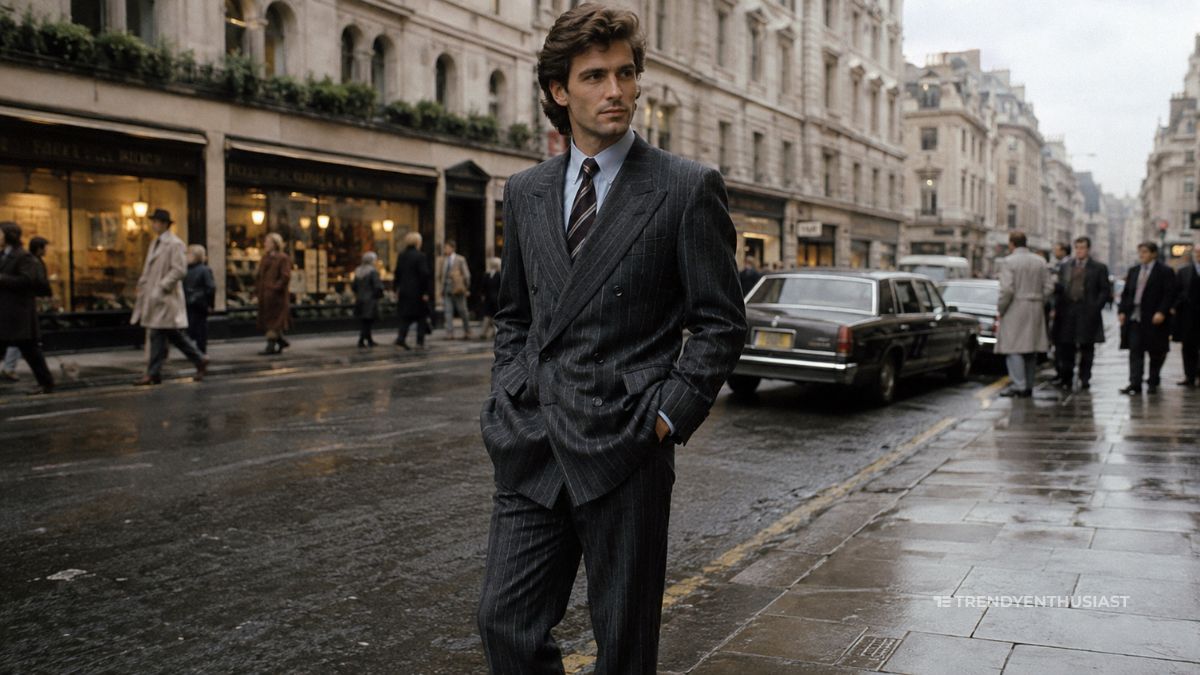
The 80s dress code defined an era of bold colors and dramatic silhouettes. Key wardrobe staples ranged from oversized blazers with structured shoulder pads to high-waisted denim and acid-wash jackets. Vibrant neon shades dominated everyday wear, while edgy punk leather outerwear made a powerful statement.
Fitness culture heavily influenced daily style, popularising aerobic wear like stretch spandex and cozy leg warmers. Eye-catching accessories completed every outfit with undeniable retro flair. Today, these distinctive pieces continue to inspire modern tailoring and modern street style alike.
Why 1980s Fashion Was So Loud
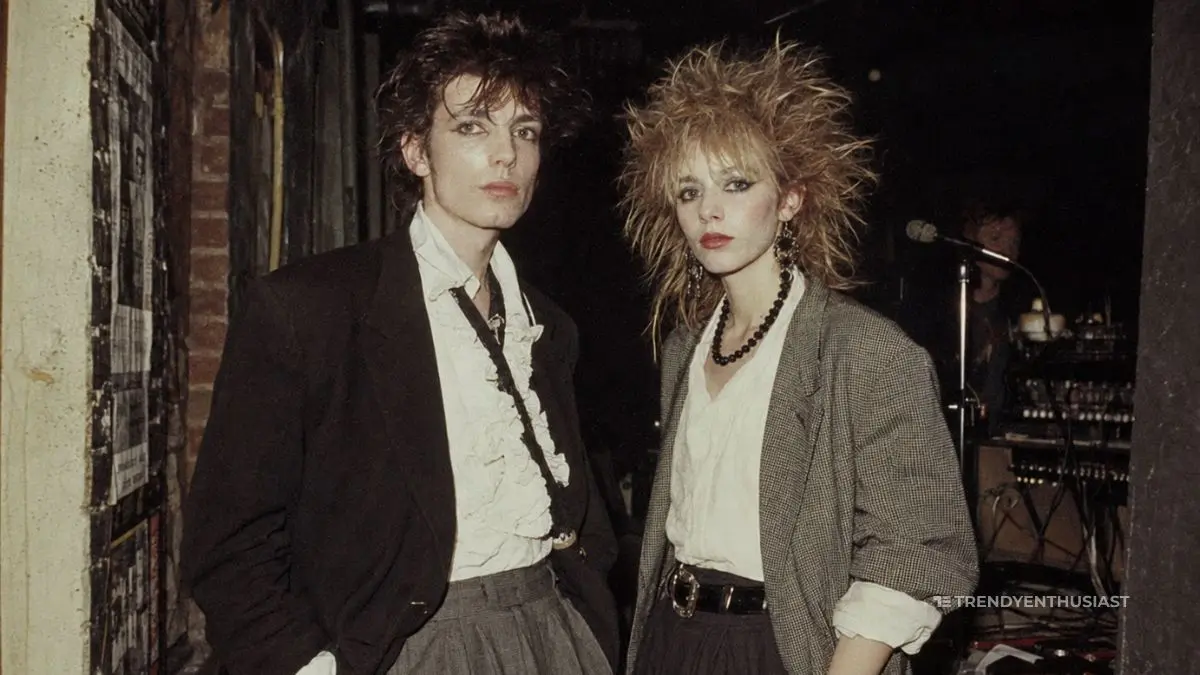
During the 1980s, a major cultural shift fueled an appetite for over-the-top self-expression. An economic boom encouraged individuals to display their growing wealth through vibrant fashion. Consequently, everyday wardrobe choices became unapologetically loud and ostentatious.
MTV launched in 1981. The global influence of MTV revolutionized how pop music and personal style interacted on screen. Legendary icons like Madonna and Prince relied on visual shock value to captivate massive audiences worldwide. Their fearless aesthetics inspired an entire generation to embrace daring, attention-grabbing trends.
The growth of media and entertainment accelerated trend cycles dramatically television shows and music channels promoted strong fashion images, and stars became trendsetters whose looks spread across the country within weeks.
Key 1980s Fashion Trends
As late 1980s men’s fashion evolved from early-decade neon athletic wear, it embraced bold corporate power suits with structured, oversized shapes. Sharp menswear integrated television influences, such as the relaxed pastel tailoring popularized by Miami Vice. These versatile styles redefined both executive and social wardrobes across the decade.
On the street, rugged acid-wash denim and heavy leather rocker jackets became essential casual staples. Everyday dressers paired these edgy garments with casual streetwear elements for an effortless look. This blend of relaxed tailoring and subculture style defined late-eighties men’s aesthetic.
Bold Silhouettes and Power Dressing
Late 1980s formalwear relied on exaggerated proportions and sharp tailoring to create commanding, high-energy profiles.
- Shoulder Pads: Built into blazers, dresses, and coats, shoulder pads added structure to create an inverted-triangle frame.
- Power Suits: Boxy, tailored two-piece suits became workplace staples designed to project corporate authority.
Denim and Casual Wear
Casual style in the late 80s prioritized heavy washes, high rises, and head-to-toe denim looks.
- Acid-Wash Denim: Heavily bleached and distressed jeans, jackets, and waistcoats featured a distinct mottled, high-contrast texture.
- High-Waisted Jeans: Tapered-leg jeans with high rises were routinely paired with tucked-in graphic tees or slouchy, oversized sweaters.
- Double Denim: Layering a classic denim jacket over matching jeans established a unified, utilitarian casual aesthetic.
Activewear and Streetwear
Fitness culture crossed into daily fashion through high-visibility colors and athletic synthetic fabrics.
- Neon and Bright Colors: Saturated pinks, electric greens, and vivid yellows transformed everyday garments into eye-catching statements.
- Spandex and Leggings: Form-fitting spandex pants transitioned from gym workouts to mainstream everyday streetwear.
- Shell Suits: Lightweight nylon tracksuits featuring bright, color-blocked panels offered comfort and bold urban style.
Subcultures and Accessories
Music subcultures and oversized ornamentation provided tactile contrast and dramatic volume.
- Punk and Rock Edges: Studded leather jackets, ripped fishnet tights, and fingerless lace gloves brought rebellious music influences into mainstream wardrobes.
- Chunky Jewelry: Large plastic bangles, layered gold chains, and oversized statement earrings provided high-impact decorative detail.
- Big Hair: Heavily teased, voluminous hairstyles created the tall, dramatic shape necessary to balance wide-shouldered outfits.
1980s Men's Fashion: A Deep Dive
Let’s get into the detail that most style guides skip over how men specifically navigated this chaotic, creative decade.
The Power Suit
The 1980s power suit emerged as a bold, structured outfit engineered to project authority and corporate ambition. Defined by an oversized, boxy jacket with heavily padded shoulders and wide lapels, this silhouette created a commanding physical presence.
Tailors paired these distinctive jackets with a sharp straight skirt or tailored pleated trousers. This distinctive tailoring served as a symbolic uniform across professional environments. It dressed ambitious men dominating Wall Street. Today, this iconic ensemble remains a defining benchmark of eighties executive style.
The boardroom look of the 80s was unmistakable. Men in the early eighties wore three-piece suits, but as the decade progressed the double-breasted dark blue or grey pinstriped two-piece returned, paired with wide striped ties.
The Miami Vice Effect
The Miami Vice effect caused a massive paradigm shift in 1980s men’s fashion. The hit TV show replaced stiff, traditional corporate suits with relaxed Italian tailoring. This casual aesthetic gave men worldwide permission to wear soft pastels in everyday settings.
Stylish guys began wearing simple t-shirts underneath unstructured blazers for a sharp yet unstudied look. Bare ankles became a trend as gentlemen paired leather loafers without socks with lightweight trousers. This iconic crossover between entertainment and menswear permanently altered how modern tailoring is styled.
Casual Menswear
During the 1980s, casual menswear moved away from the tight and flared looks of the 1970s in favour of athletic comfort and relaxed layers. Everyday styles embraced vibrant colors and bold details across soft cotton polo shirts. These easygoing garments allowed men to remain comfortable while maintaining a sharp appearance.
Rough-textured stonewashed denim jeans and rugged leather or canvas jackets served as essential wardrobe foundations. Meanwhile, lightweight nylon tracksuits provided maximum freedom for weekend sports and off-duty leisure. Together, these iconic pieces defined the decade’s functional approach to daily style.
Grooming
Men’s hair in the 80s was anything but understated. Men went for more peculiar and daring hairstyles mullets, mohawks, and even shaved heads, sparked by punk’s influence. The New Romantic scene brought teased, voluminous styles with gel and hairspray. The preppy set went for clean, side-parted cuts. Whatever you chose, it was a statement.
1980s UK Fashion: How Britain Led the Charge
While New York had Wall Street power dressing and LA had Miami Vice pastels, the UK was doing something far more interesting it was building the underground scene that would eventually define the decade globally.
The New Romantic Movement
Behind a door in a Covent Garden side street, the Blitz Club was the place where 1980s style began inspired by David Bowie, the punk and soul scenes, and continental cinema, the brightest young talents of their generation came together to revolutionise fashion, music and design, turning a niche club night into a launchpad for global superstardom.
Spandau Ballet, Visage, and the early Boy George all emerged from this scene. The look was theatrical, androgynous, historically referential ruffled shirts, dramatic makeup, pirate boots, and a defiant rejection of both punk’s aggression and disco’s gloss.
London Fashion Week
1980s fashion was showcased by London Fashion Week, which was established in 1983 before which, British designers had held smaller, uncoordinated presentations. The event gave a formal platform to designers who were already making waves globally.
The Sloane Ranger vs. The Club Kid
One of the great tensions of 80s UK style was between two worlds: the Sloane Rangers (aristocratic, preppy, Princess Diana’s set think Laura Ashley florals, pearls, and Barbour jackets) and the club kids (Blitz regulars, art school provocateurs, and post-punk experimenters wearing Westwood, Bodymap, and vintage finds). Both were quintessentially British. Neither had anything in common with the other.
The Designers Who Defined the Decade
Vivienne Westwood
Dame Vivienne Westwood was a groundbreaking English fashion designer and businesswoman. She played a pivotal role in bringing modern punk and new wave styles into high-end clothing during the 1970-80s. Her avant-garde tailoring transformed subcultural wear into high art.
By pushing these rebellious looks into the mainstream fashion world, she forever changed global runway trends. Her iconic designs remain a cornerstone of counterculture tailoring. No single figure did more to shape British fashion in the 80s than Westwood.
Giorgio Armani
Legendary Italian fashion designer and entrepreneur Giorgio Armani redefined modern tailoring throughout the 1980s. His luxury house gained worldwide acclaim by replacing rigid structures with relaxed, deconstructed suits. This fluid design offered a comfortable yet sophisticated alternative to standard executive wear.
Beyond corporate wardrobes, Armani pioneered celebrity dressing by establishing a dominant presence on the red-carpet. His understated style permanently elevated evening wear and transformed high-fashion branding. Armani was the quiet revolution inside the power-dressing moment.
Paul Smith
During the 1980s, Sir Paul Smith revolutionized tailoring by infusing traditional English menswear with a quirky, irreverent humor. As an iconic fashion designer, he expanded his eponymous brand into an internationally acclaimed luxury brand that defined tailored British style. His clever twist on relaxed silhouettes provided a vibrant alternative to conventional power suits in 1980s fashion.
Central to the Paul Smith identity was his signature inclusion of colorful stripes, transforming understated classic suiting into wearable art. The famed British designer demonstrated that high-end luxury and playful creativity could coexist within men’s style. These vibrant stripes and colorful details established the brand as a dominant force throughout the decade.
1980s Fashion Icons: Who Wore It Best
David Bowie
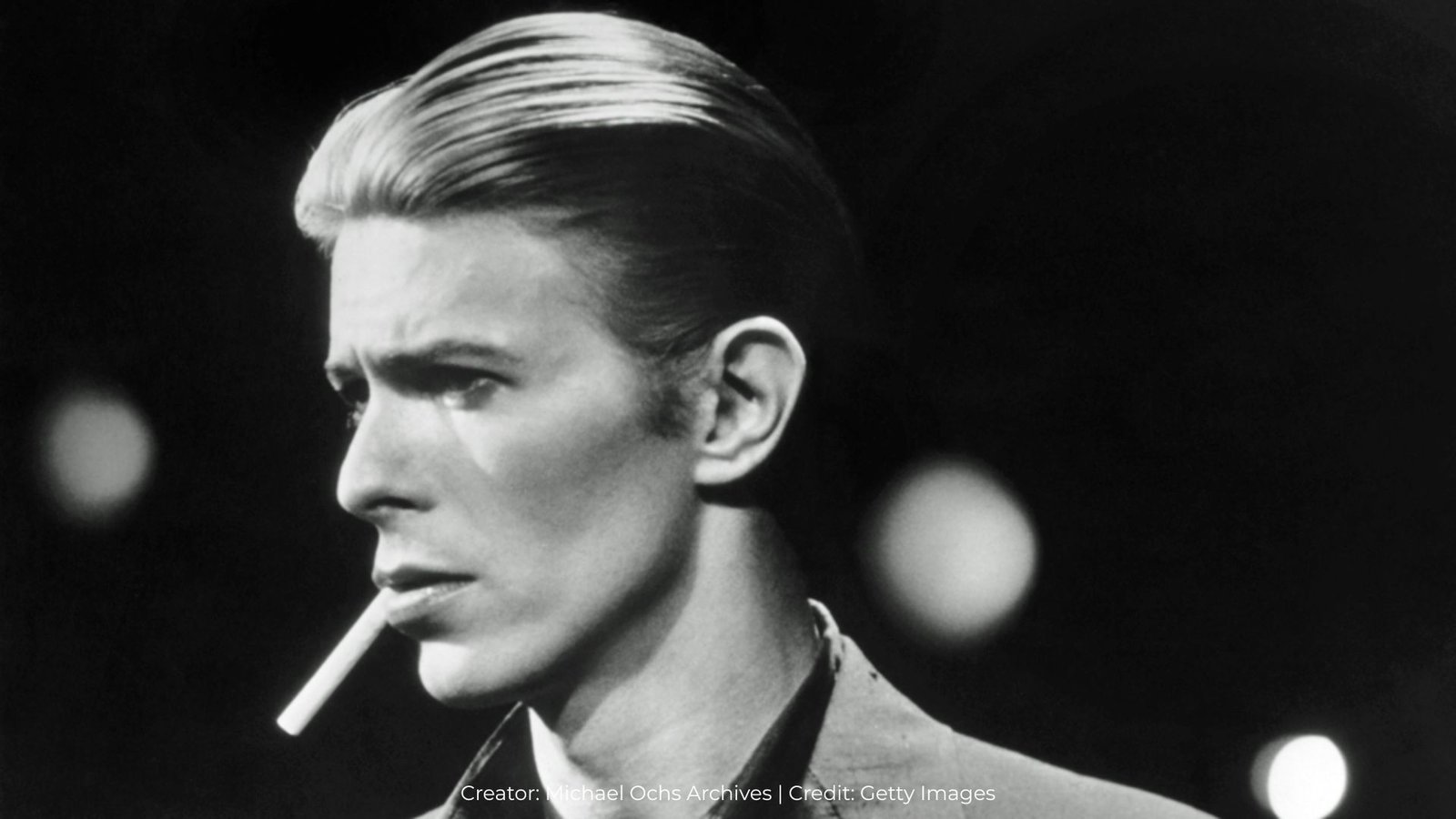
Bowie dialed back the glittery Ziggy Stardust jumpsuits in the 80s and emerged with a sleeker, New Wave-inspired wardrobe embracing elegant suits in bold colours or oversized proportions, and that famous bleached-blonde pompadour during his “Let’s Dance” era. Even toned down, Bowie still pushed boundaries. Many New Wave artists wore suits in this style to achieve a “gentleman” persona but Bowie was always doing it first and doing it better.
Boy George
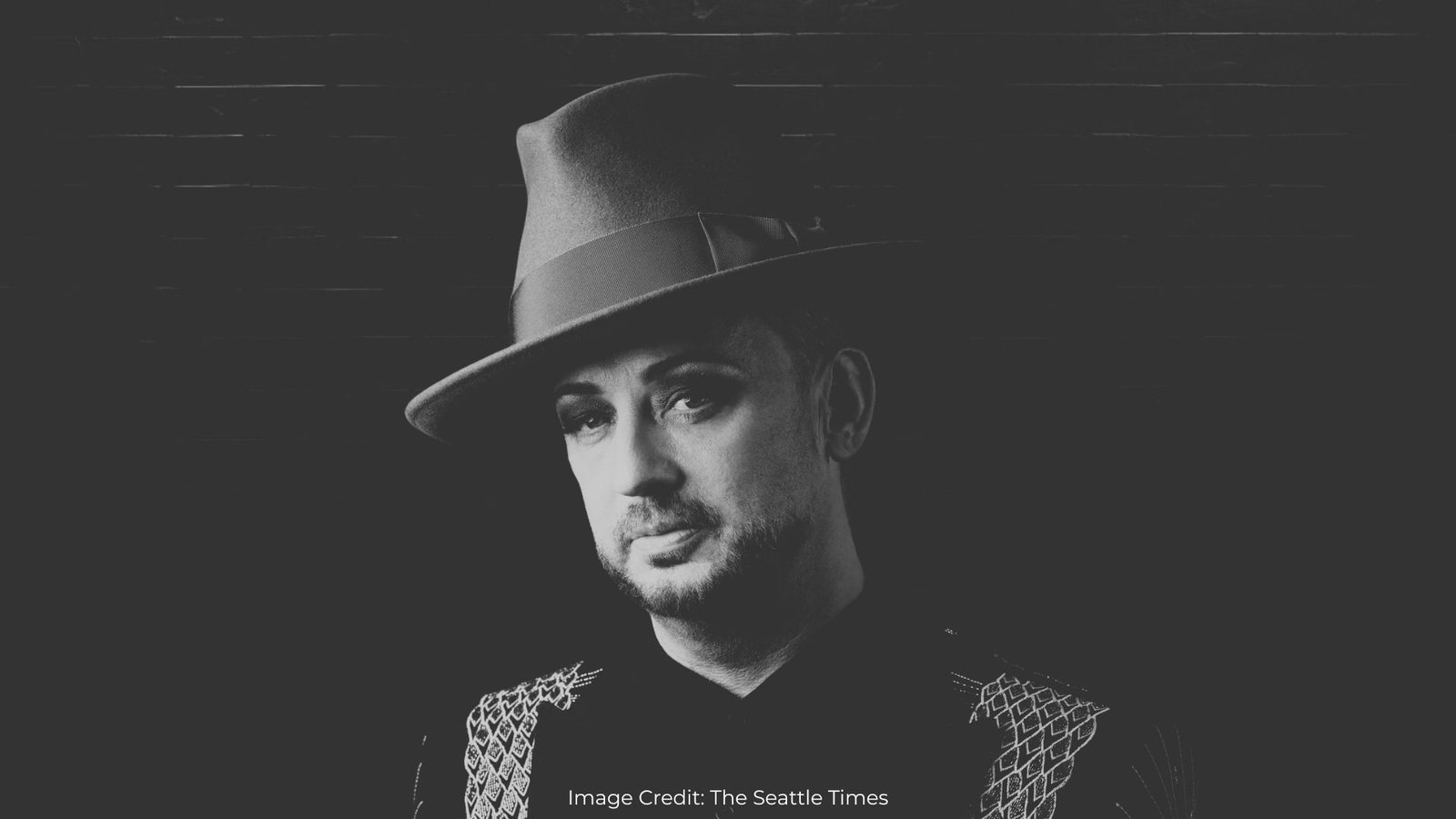
Boy George embraced androgynous fashion and made it mainstream brightly coloured everything in flowing silhouettes, a big hat or braided headpiece, face full of dramatic makeup, and an eclectic mix of gender-bending attire. His influence on 80s UK fashion extended far beyond Culture Club he normalised the idea that men could treat clothing as art.
Michael Jackson
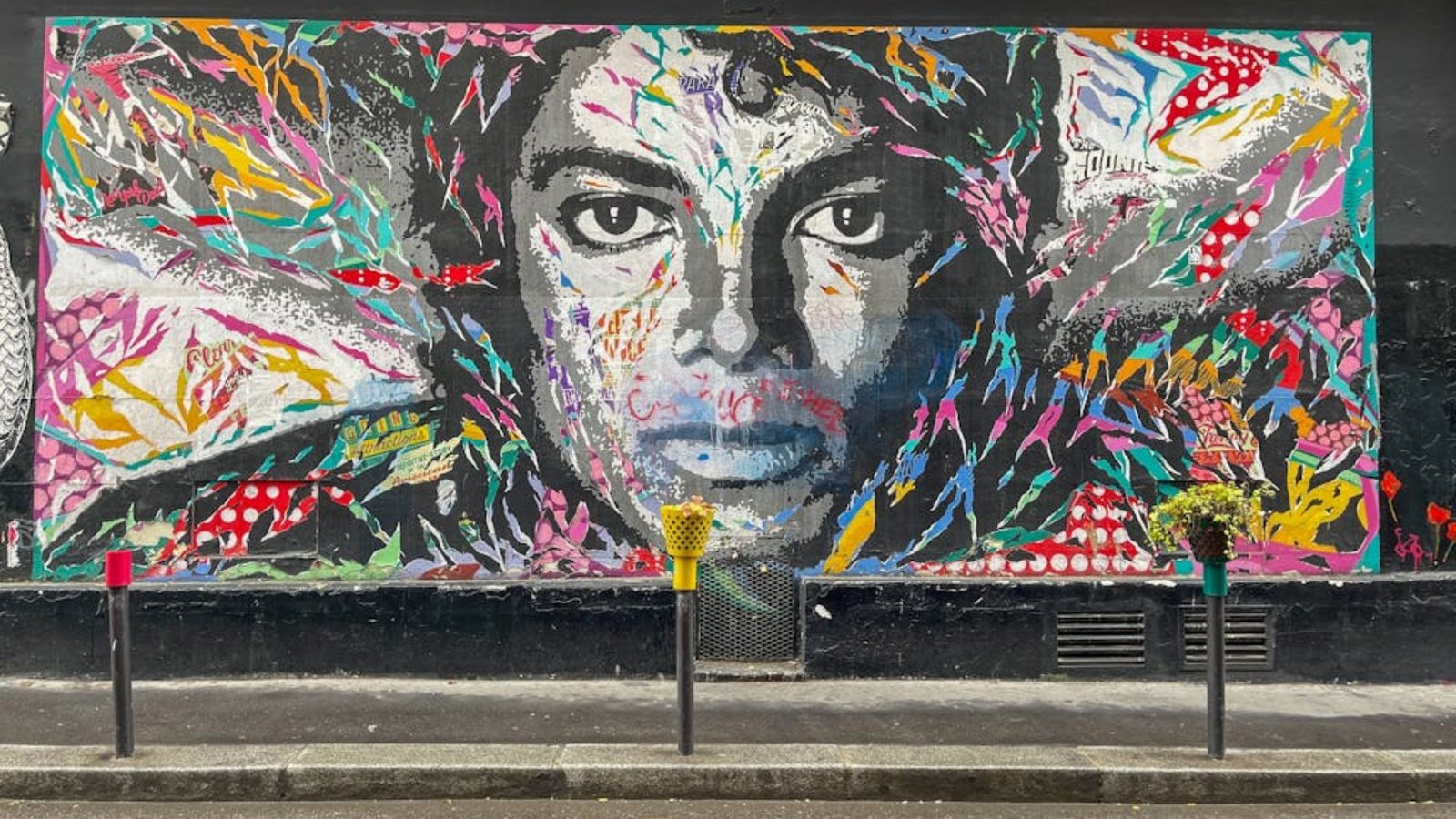
Few cultural forces reshaped what young men actually wore more than Michael Jackson. Red and black leather pants and jackets, gloves and sunglasses became absolute must-haves for young people following Jackson’s lead. His sequinned military jacket from the Thriller era became one of the most imitated garments in fashion history.
Princess Diana

On the other end of the spectrum, Princess Diana brought romantic femininity and a quietly aspirational British glamour to 1980s fashion. Her wardrobe evolved dramatically across the decade from the frothy meringue gown of her 1981 wedding to the increasingly confident, colour-forward tailoring of the late 80s.
Prince
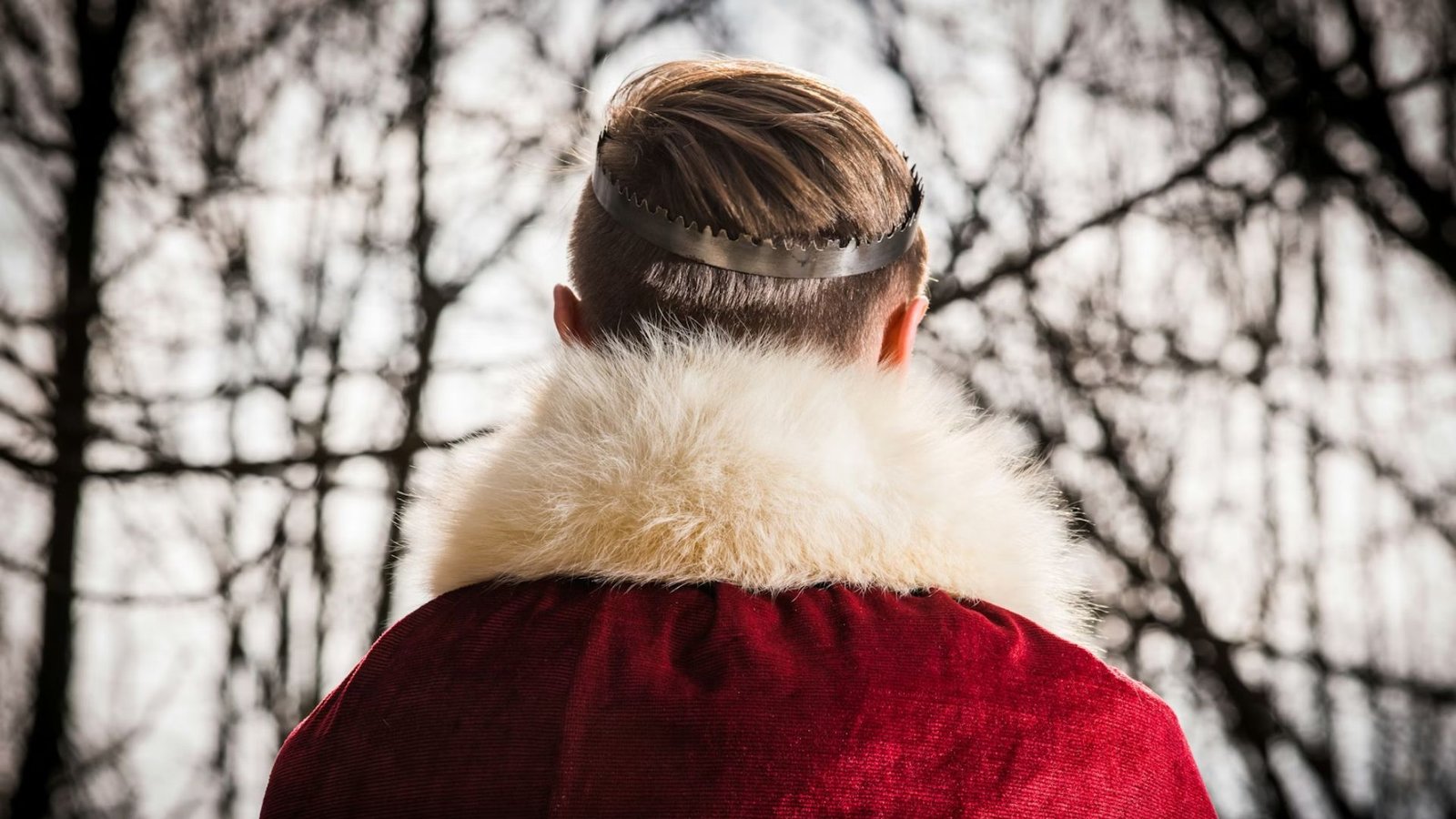
Prince dressed femininely, yet was the epitome of masculinity and was known as both a sex symbol and a fashion icon his outfits typically consisted of military jackets, lace, sequins, glitter and gloves, all key features of the New Romantic era.
Early vs Late 80s: How the Decade Evolved
The 80s wasn’t one monolithic style era it had distinct chapters.
- 1980–1982 (Early 80s): Early 1980s fashion was very similar to the late 1970s velour was popular, waistlines were slightly high, and men’s dressing styles changed very little. The rule of 1981 was a lack of rules. The New Romantic movement was already brewing in London clubs, but hadn’t gone mainstream yet.
- 1983–1985 (Mid-Decade): This is the iconic 80s. Power dressing hit its peak. Miami Vice reshaped casualwear. MTV was everywhere. Colours got hotter, silhouettes got bigger. By the mid-80s, pop music stars like Cyndi Lauper were ushering in an entirely new style one that many people associate with the 1980s to this day, with bright coloured accessories like sunglasses, bangles, hoop earrings, teased hair, loud makeup and neon.
- 1986–1989 (Late 80s): The excesses peaked and began to show cracks. Some designers pulled back toward minimalism and structure. Westwood’s late-decade work became increasingly historically referential. Japanese designers like Yohji Yamamoto offered a stark, intellectual counterpoint to 80s maximalism. The decade ended with the seeds of 90s minimalism already planted.
How to Wear 80s Fashion in 2026 Without Looking Fancy Dress
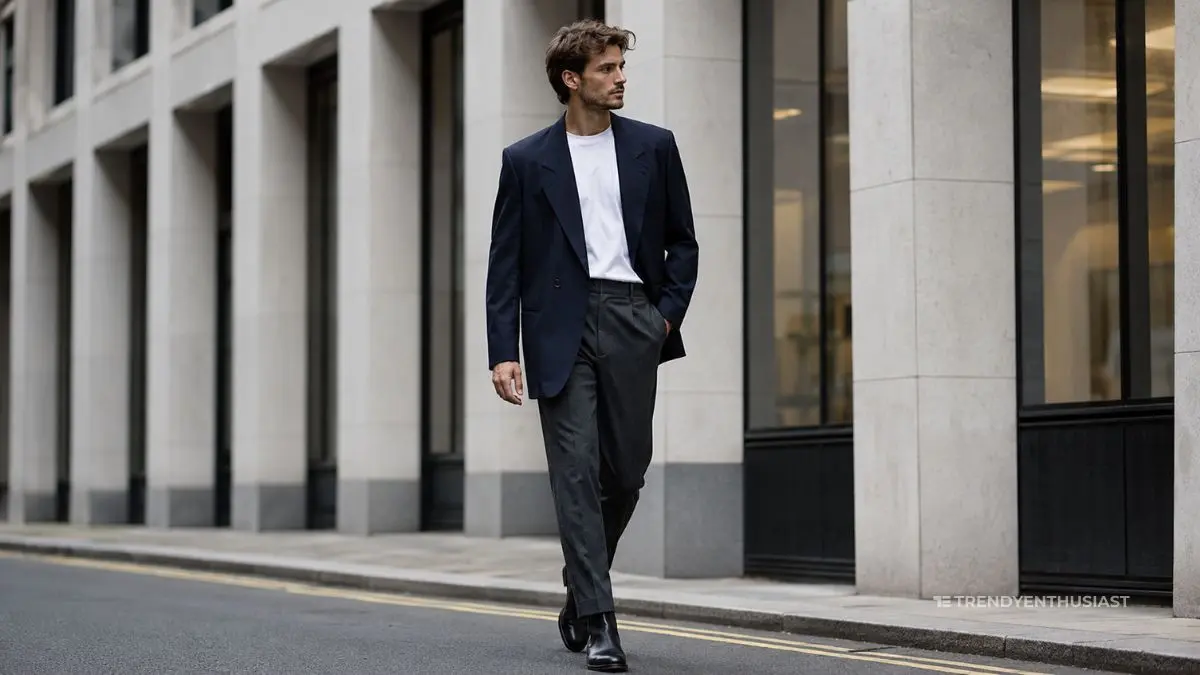
The trick to pulling off 1980s fashion references today is restraint and proportion. Pick one element of 80s style and anchor it in contemporary pieces. Here’s how each tribe translates:
- Power Dressing (The Safest Entry Point) The padded-shoulder blazer is fully back. Wear it oversized over a minimal crew-neck tee and straight-leg trousers no matching skirt suit required. The proportion does the work. Keep everything else clean.
- New Romantic (For the Brave) A ruffled or blousy shirt works brilliantly with tailored straight trousers and a pair of sleek Chelsea boots. The 1980s reference is there the theatre, the drape, the silhouette without the full Blitz Club eyeliner situation.
- Miami Vice (Perfectly Contemporary) This is perhaps the easiest 80s reference to modernise. An unstructured linen blazer in a muted pastel (dusty pink, sage, off-white) over a white tee and tailored trousers with clean white leather trainers. It reads sharp and current, not dated.
- Preppy/Ivy League (Eternally Relevant) The preppy aesthetic from the 80s barely needs updating. A navy blazer, white OCBD shirt, chinos, and Sperry topsiders or loafers. Ralph Lauren is still making these pieces almost identically to how he made them in 1984.
- Sportswear Heritage Adidas originals, a vintage-cut tracksuit top, and straight jeans. The 80s sportswear reference is baked into the DNA of most of the major trainer brands. You’re likely already wearing it.
- The One Rule That Never Fails Pick one loud element the shoulder, the colour, the leather and pair it with three quiet ones. The decade’s mistake was wearing all the statements at once. Your advantage today is the edit.
Conclusion
The 1980s was not a decade that asked permission. It arrived loud, it dressed louder, and it left an imprint on fashion that four decades of subsequent minimalism, deconstruction, and irony haven’t managed to fully erase.
From the power suits of the boardroom to the ruffled shirts of the Blitz Club; from Michael Jackson’s sequinned jacket to Princess Diana’s evolving royal wardrobe; from Vivienne Westwood’s pirate collections to Paul Smith’s quietly brilliant tailoring 1980s fashion was a decade of genuine style plurality, and that’s precisely why it remains so endlessly fertile ground for modern inspiration.
FAQs
The defining trends of 1980s fashion were power dressing with padded-shoulder suits, neon and bold colour palettes, athletic and sportswear crossing into everyday wear, acid-washed and stone-washed denim, leather jackets, and oversized accessories. Multiple subcultures New Romantic, punk, preppy, hip-hop each brought their own visual language to the decade simultaneously.
In the 1980s, men wore a wide range of styles depending on their subculture. The mainstream look included suits with broad shoulders and wide lapels, casual sportswear like Adidas tracksuits and high-top trainers, denim in various washes, graphic tees, and leather jackets. The Miami Vice aesthetic popularised pastel suits worn with loafers and no socks. New Romantics wore ruffled shirts, dramatic coats, and stage-worthy accessories.
The most influential 1980s fashion icons include David Bowie, Boy George, Michael Jackson, Madonna, Prince, Princess Diana, Don Johnson, and Grace Jones. In the UK specifically, the New Romantic scene produced its own icons Spandau Ballet, Steve Strange, and the Blitz Club regulars who set the template for a distinctly British 80s aesthetic.
Music and fashion in the 1980s were inseparable. MTV’s launch in 1981 turned every music video into a fashion editorial. Artists like Michael Jackson, Madonna, and Boy George became global style influencers almost overnight. The New Romantic movement was simultaneously a music and fashion scene. Hip-hop artists like Run-DMC elevated sportswear to high-fashion status. Without the music of the 80s, the clothes would have had no context.
Power dressing was the fashion philosophy of wearing structured, authoritative clothing typically padded-shoulder suits to project confidence and command in professional environments. It emerged in the late 1970s and peaked in the 1980s as women entered corporate leadership roles in greater numbers. The look, characterised by broad-shouldered jackets, fitted skirts, and precise tailoring, became a uniform of professional ambition on both sides of the Atlantic.
Further Reading

Ali Taimour
Ali Taimour is the founder and editor of Trendy Enthusiast, a men's digital publication dedicated to fashion, grooming, lifestyle, and culture.
Connect on Instagram