Trendy Enthusiast

The Modern Mullet Isn't a Trend. It's Been Around Since Rome.

modern mullet, mullet haircut, what is a mullet, mullet fade, curly mullet, how to style a mullet, how to grow a mullet

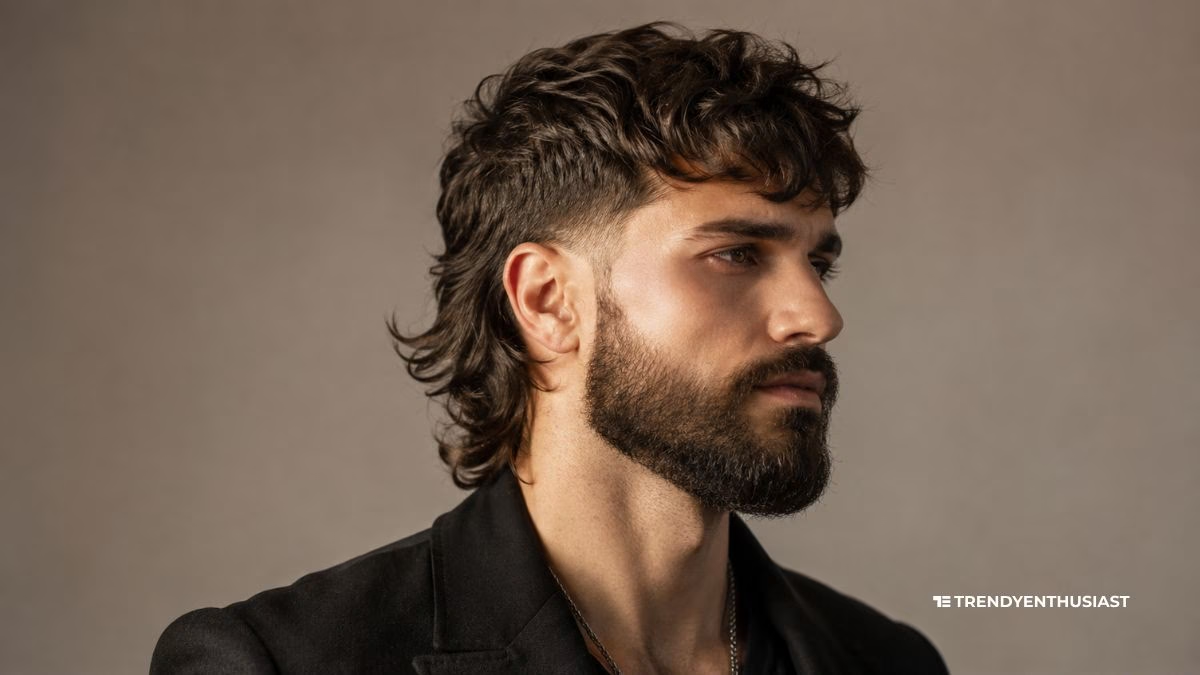
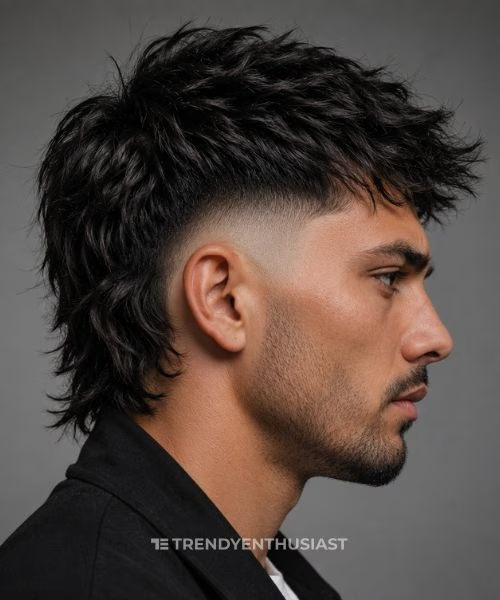
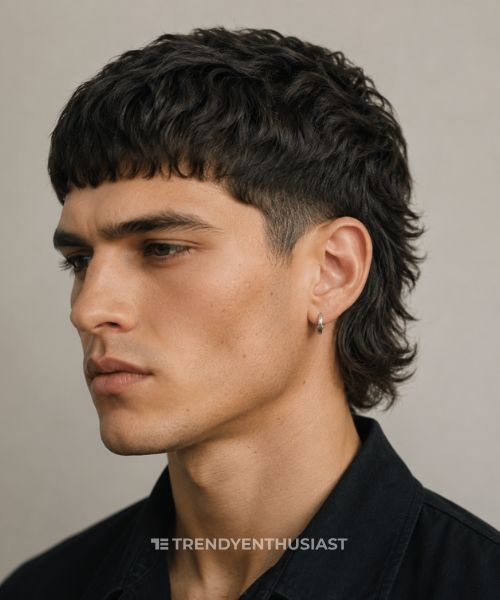
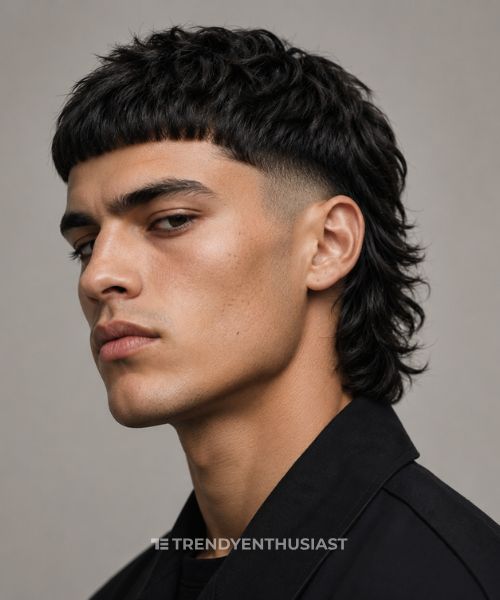
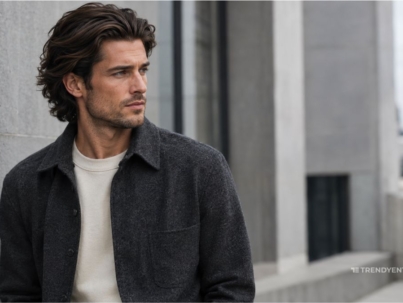
A modern mullet is a men’s haircut with short, tapered or faded sides and a longer back, a fashion-forward updated version of the classic mullet that swaps the harsh, unblended 1980s aesthetic for deliberate styling.

Driven by streetwear influence, punk rebellion, and a Y2K fashion retro revival, this modern hair aesthetic offers exceptional versatility.

It works across straight hair, wavy pattern locks, curly ringlets, thick hair, and coily hair, making it one of the most adaptable cuts in professional barbering today.

What Is a Modern Mullet?

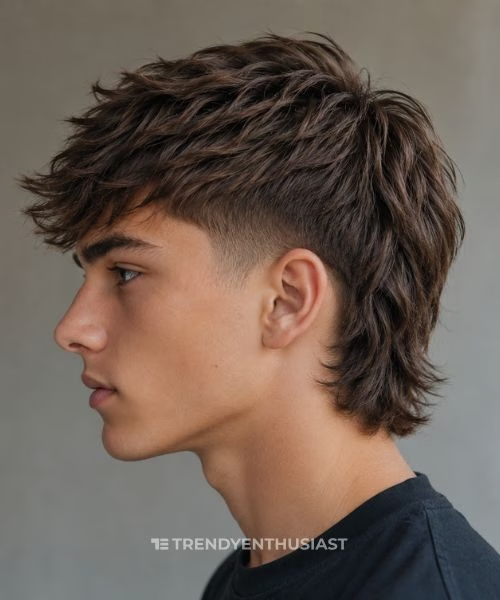
The modern mullet keeps the mullet’s defining shape i.e short at the front and sides, longer at the back but replaces the old, blunt cut-off with a soft transition via a graduated fade or taper and textured layers through the crown and back.

Where a classic 1980s mullet had one abrupt length change, a modern mullet relies on an intentional contrast that balances the silhouette ratio from top to bottom.

The Mullet Predates the 1980s

According to the Roman historian Suetonius, the emperor Tiberius wore his hair long at the back of the neck as an inherited family style.

The pop-culture version traces to the late 1960s, when Tom Jones helped popularise the look, with Bowie and Jagger carrying it through the 1970s. 

The word itself is younger than the haircut by centuries. “Mullet” only entered common use in 1994, credited to the Beastie Boys’ song “Mullet Head” and a six-page feature in their Grand Royal magazine cataloguing regional nicknames for the cut, including “hockey player haircut.”

Its current revival traces to COVID-19 lockdowns: closed barbershops pushed men into low-maintenance, DIY-friendly grow-out styles. 

Modern Mullet vs Classic 1980s Mullet

Mullet Evolution

Feature Classic 1980s Mullet Modern Mullet
Side transition Abrupt, unblended cut-off Graduated fade or taper
Top texture Minimal layering, grown out Deliberate crown layering, choppy length
Styling Typically left unstyled Matte clay, sea salt spray, pomade
Fit Tied to a specific era and stereotype Adapted to hair density, texture and face shape
Barbering approach One-size-fits-all Cut by hair type and face shape

Every Major Modern Mullet Variation

The modern mullet isn’t one haircut, it’s a family of related cuts, mostly differentiated by the fade type on the sides and the texture on top.

By fade or taper type

1. Mullet fade

modern mullet, mullet haircut, what is a mullet, mullet fade, curly mullet, how to style a mullet, how to grow a mullet

The standard mullet fade keeps the sides short and faded against a longer, textured back, producing the strongest contrast in the family.

Style it by blow-drying for volume, working through texture clay for hold, and finishing with a drop of argan oil for shine.

2. Burst Fade Mullet

modern mullet, mullet haircut, what is a mullet, mullet fade, curly mullet, how to style a mullet, how to grow a mullet

The burst fade mullet stands out as a bold style for confident, stylish guys who love grabbing attention.

This cut seamlessly blends a soft texture on top with sharp sides around the ears, using a rounded fade to craft a flowing curly tail at the back that creates a clean, trendy contrast. 

  • Burst fade structure: A precise fade leaves rounded, sharp sides neatly hugging the ears.
  • Styling technique: Keep the curly tail soft with natural texture, using a blow dryer along with clay, molding paste, or texture clay.
  • Color depth: Combining dark brown base shades with golden highlights brings out incredible contrast in this mullet.

3. Skin Fade Mullet

modern mullet, mullet haircut, what is a mullet, mullet fade, curly mullet, how to style a mullet, how to grow a mullet

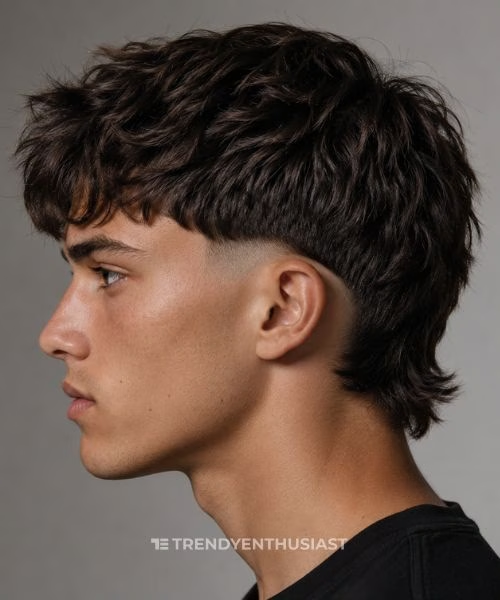
When a client wants a sharp profile, I recommend the skin fade mullet, a haircut that brings a clean look by keeping the sides faded down to bare skin while a longer back brushes the neck.

The top stays choppy and light so it naturally moves instead of sitting flat, giving you a modern skin fade with classic mullet character.

  • Styling routine: Blow-dry (or simply blow and dry) forward, then pinch small pieces with your fingers to sculpt the shape.
  • Product application: Use texture clay (or basic clay) for added texture and grip, ensuring your clean, bold look and sharp fade stay set.

4. Taper Fade Mullet

modern mullet, mullet haircut, what is a mullet, mullet fade, curly mullet, how to style a mullet, how to grow a mullet

Modern mullet is the most bold, low-maintenance hairstyle for confident guys who want effortless control. Out of all taper fade haircuts, this versatile cut lets your locks taper down seamlessly into a longer back.

  • The Cut: Enjoy a clean fade above the ears with sharp sides, keeping your sides looking extra clean and sharp.
  • Styling & Texture: Whether you have soft curls, bouncy curls, or loose waves, aim for a natural flow with natural flow along the back.
  • Products: Use a round brush (or regular brush) while you blow-dry, then finish with texture clay or styling cream, adding matte clay, extra texture, or smooth styling cream.
  • Color Finish: Try dark shades or subtle highlights; distinct shades and highlights add great depth to any taper or fade among popular haircuts for guys.

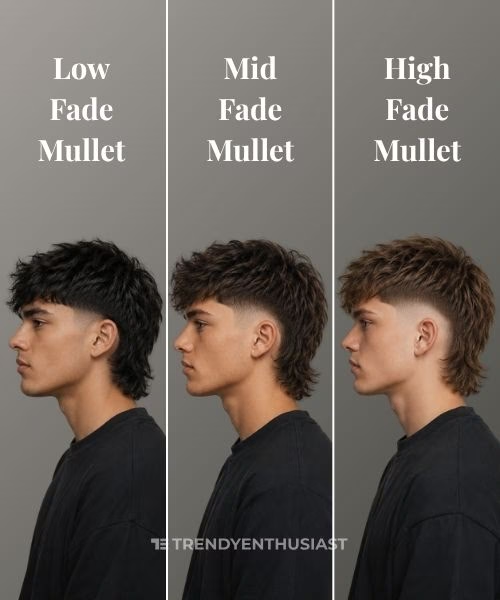
5. Low Fade, Mid Fade, High Fade Mullets

modern mullet, mullet haircut, what is a mullet, mullet fade, curly mullet, how to style a mullet, how to grow a mullet

The low fade mullet keeps things soft with short faded sides that taper right near the ear, preserving weight on top and back. Spritzing sea salt spray onto wavy layers adds instant volume and flow, while a light styling cream keeps the shape intact. 

Rising up to temple level, the mid fade mullet offers a balanced contrast that removes heavy side bulk without looking too severe. It cleanly separates the tight sides from the flowing length behind it, giving you total control over your natural texture. 

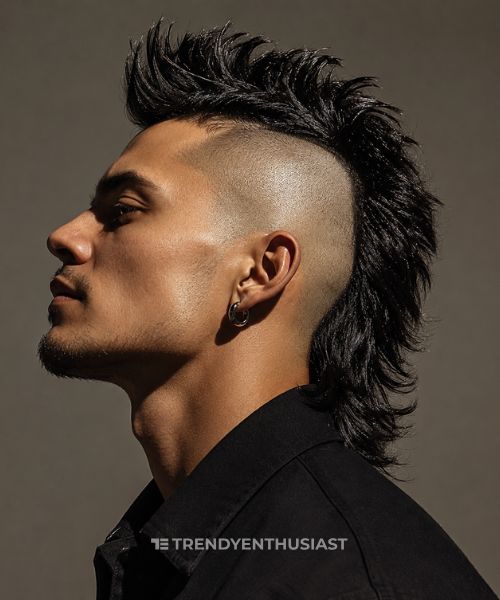
For a bold, high-impact aesthetic, the high fade mullet shaves high past the temples to completely isolate the central strip of hair. This dynamic cut drives all visual attention straight to the longer back and edgy top texture for a aggressive, mohawk-inspired silhouette. 

6. Drop Fade Mullet

modern mullet, mullet haircut, what is a mullet, mullet fade, curly mullet, how to style a mullet, how to grow a mullet

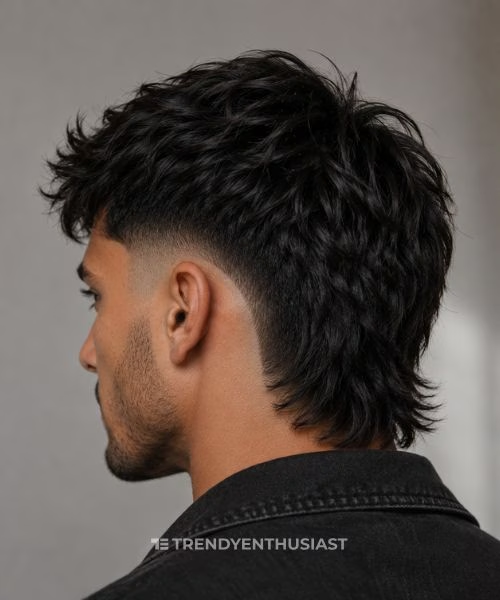
A drop fade mullet takes the standard fade and curves it downward behind the ear, dropping closer to the nape before leveling back out instead of running in a straight line around the head.

That curved drop adds extra shape and dimension around the back of the skull, which makes it a strong pick for men with rounder head shapes who want more definition.

Every fade variation gets its own detailed breakdown in the Mullet Fade Guide.
By Hair type and Texture

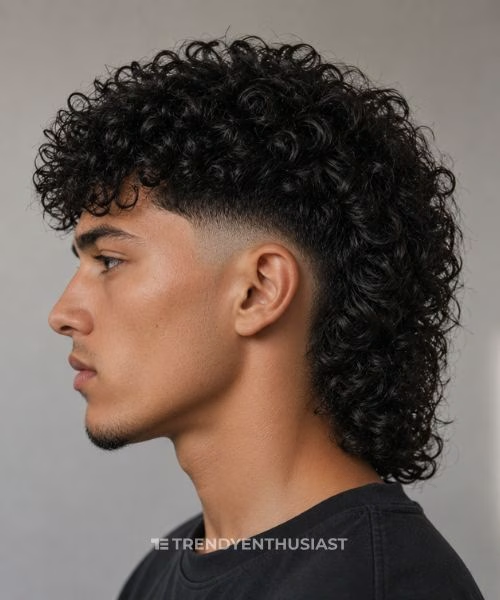
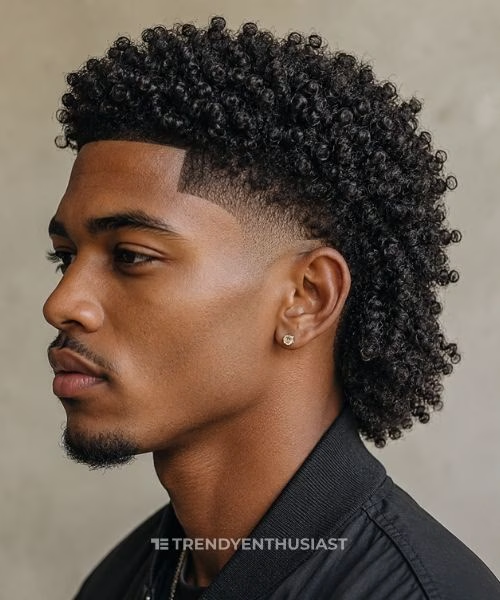
1. Curly mullet

modern mullet, mullet haircut, what is a mullet, mullet fade, curly mullet, how to style a mullet, how to grow a mullet

The curly mullet stands out with full curls on top, clean faded sides, and a longer back that flows naturally. This haircut adds bold volume and texture, giving your hair a cool shape with strong contrast for a modern, confident, and trendy look.

Styling & Colors:

  • Blow-dry with a diffuser and apply curl-enhancing cream or a leave-in conditioner for added definition.
  • Incorporating deep brown or golden tones can boost your style.

Facial Hair:

  • Pair it with a sharp beard to complete the aesthetic.

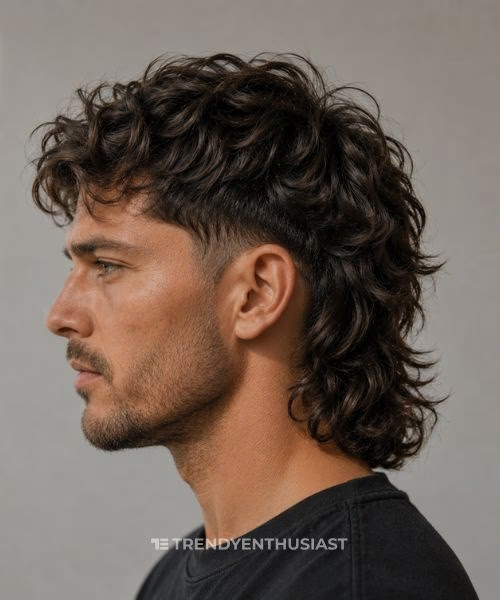
2. Wavy Mullet

modern mullet, mullet haircut, what is a mullet, mullet fade, curly mullet, how to style a mullet, how to grow a mullet

When styling clients, I love how the wavy mullet captures natural movement and an edgy style by giving your waves plenty of room to shine.

It pairs short faded sides with a longer back and a textured top to create striking contrast, volume, and flow that keeps the cut sharp. 

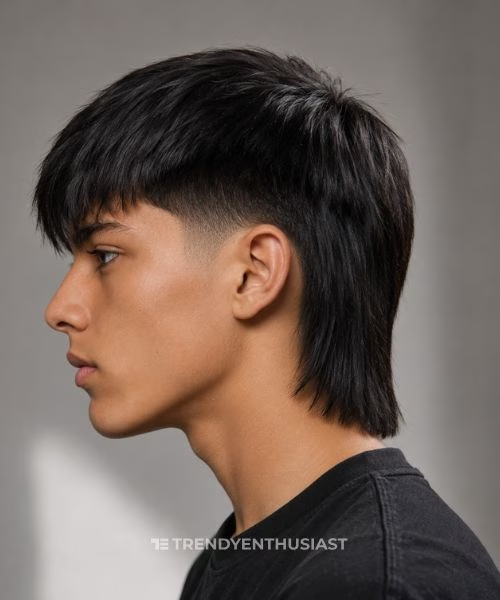
3. Straight Hair Mullet

modern mullet, mullet haircut, what is a mullet, mullet fade, curly mullet, how to style a mullet, how to grow a mullet

A straight hair mullet relies on sharp lines and a smooth flow, pairing short sides and a flat textured top with a long blunt back for a bold contrast.

A precise fade keeps things neat while the natural straight strands deliver a clean, edgy look that comes together effortlessly during styling when you prep with blow-dry cream and finish using texture clay. 

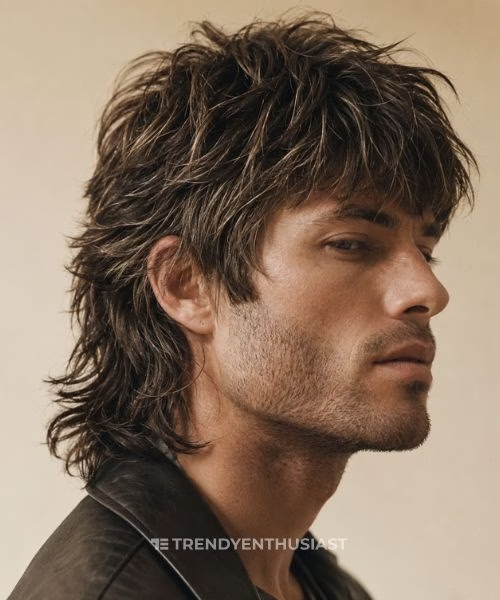
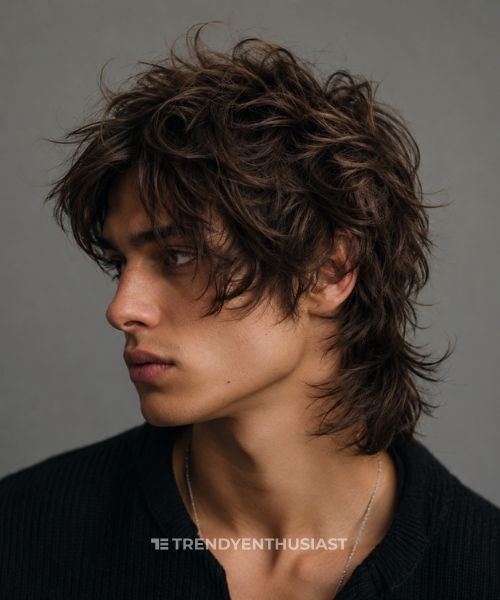
4. Shag Haircut / Shaggy Mullet

modern mullet, mullet haircut, what is a mullet, mullet fade, curly mullet, how to style a mullet, how to grow a mullet

Inspired by 90s skaters and iconic rockstars, the shaggy mullet is a looser, more relaxed version that honors its vintage roots without feeling dated.

Instead of relying on ultra-short fades, this style focuses on soft layering, longer fringe sections, and heavily textured ends to embrace natural texture and fluid movement.

  • Best For: Extremely flattering for wavy or curly hair types looking for minimal maintenance.
  • Styling Tip: Apply a sea salt spray or texture cream through your layers to highlight the shape without weighing down your locks.

5. Afro-Textured Hair and Coily Mullet

modern mullet, mullet haircut, what is a mullet, mullet fade, curly mullet, how to style a mullet, how to grow a mullet

Sides are faded or cut close with precise lines, while the crown and back are left longer to let natural coil pattern create volume without heat styling.

Because coily hair shrinks noticeably compared to its stretched length, barbers typically cut it longer than they would straight hair to land on the intended finished length.

By Top Styling

1. Wolf Cut

modern mullet, mullet haircut, what is a mullet, mullet fade, curly mullet, how to style a mullet, how to grow a mullet

A wolf cut is Shaggy, layered volume through a fuller crown combined with tapered mullet sides.

A quick blow-dry followed by sea salt spray or texture powder builds lift without excess weight.

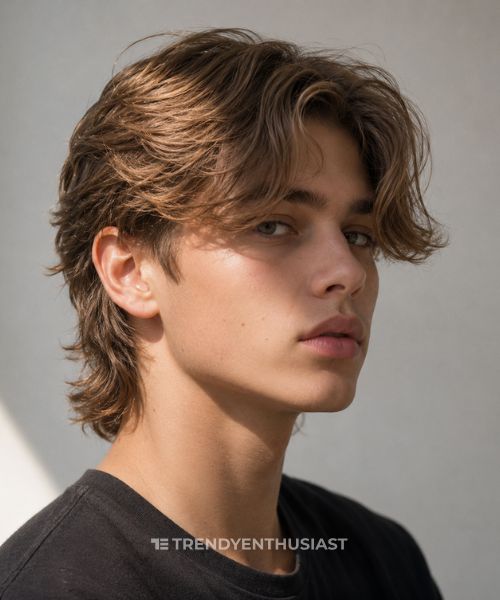
2. Curtain Mullet

modern mullet, mullet haircut, what is a mullet, mullet fade, curly mullet, how to style a mullet, how to grow a mullet

A full, wave-framed top with soft curtains falling either side of the face, paired with a neatly tapered side. Blow-dry the fringe outward and scrunch in sea salt spray to hold the shape.

3. Mullet Hawk / Mohawk Mullet

Tightly faded sides with a spiked or lifted centre strip that flows into a longer back, the most dramatic silhouette in the family. Molding paste or freeze spray locks the lift.

4. French Crop Overlap Mullet

A blunt fringe combined with a longer, textured back and faded sides. Blow-dry for volume, then work texture clay or powder through for definition.

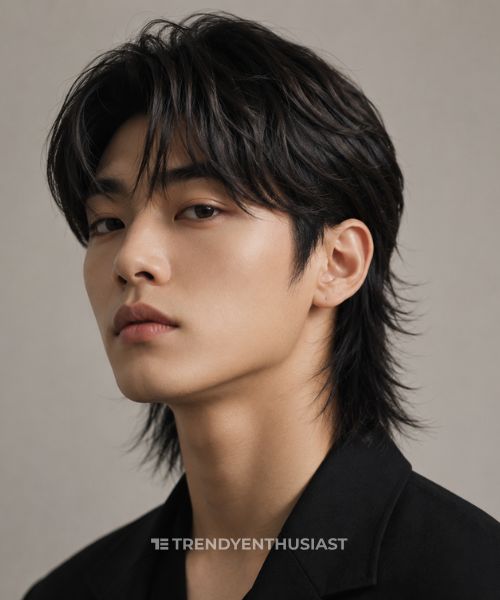
5. Korean Mullet

modern mullet, mullet haircut, what is a mullet, mullet fade, curly mullet, how to style a mullet, how to grow a mullet

Soft, face-framing layers on top with a smooth, low-lift finish and a longer flowing back. Blow-dry forward, shape the ends by hand, then work a small amount of styling cream through the mid-lengths.

6. Edgar Mullet

A sharp, straight fringe paired with tight skin-faded sides and a longer, wavy back. Cut the top slightly choppy so it reads full rather than heavy; finish with texture clay through the fringe and crown.

By Era or Reference

1. 80s Mullet

modern mullet, mullet haircut, what is a mullet, mullet fade, curly mullet, how to style a mullet, how to grow a mullet

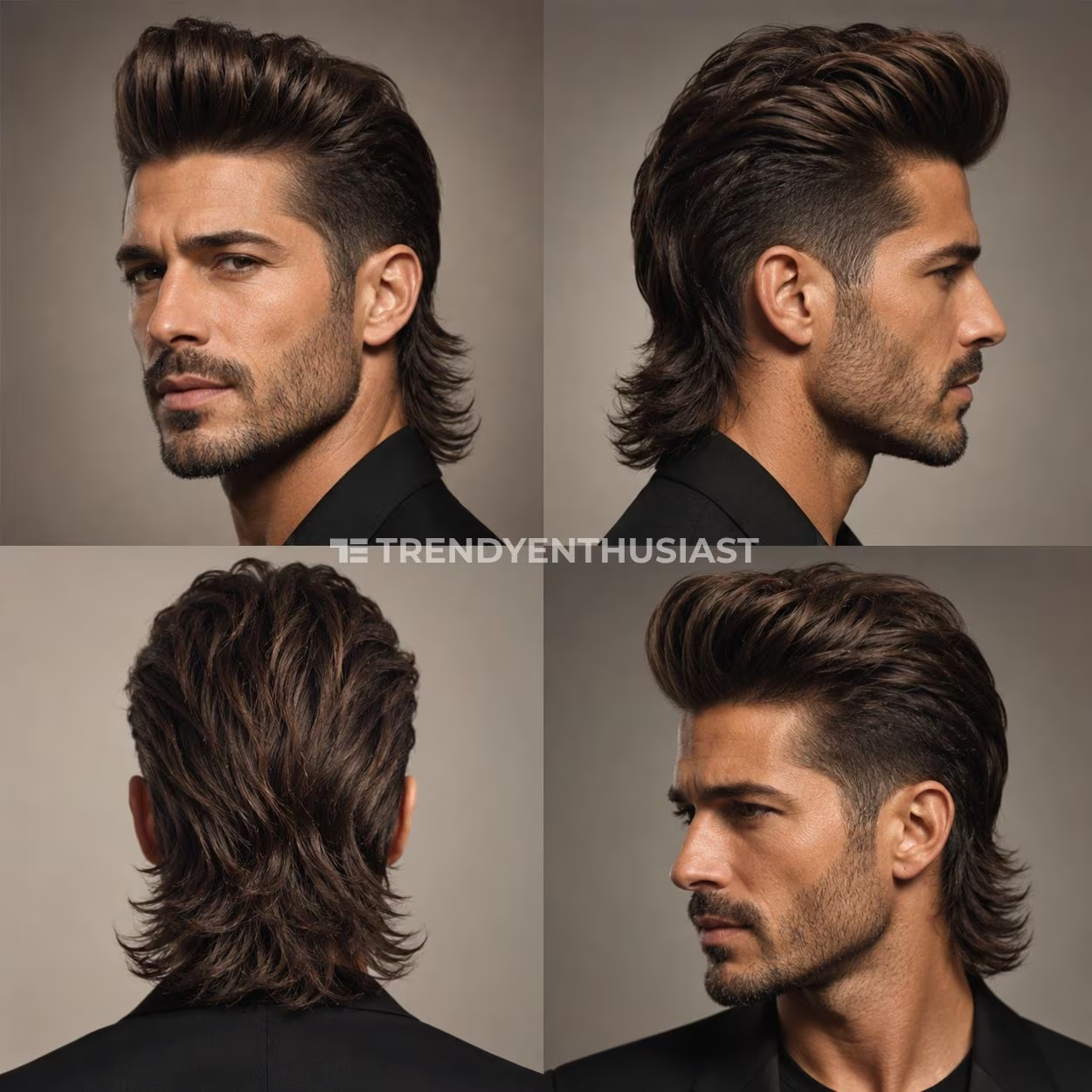
80s mullet means leaning hard into that iconic classic rockstar vibe with soft, feathered layers and heavy vintage volume through a teased top. 

Every cut on this list works differently depending on your hair type. The Hairstyle Matcher accounts for straight, wavy, curly, and coily hair specifically.

How to Choose Your Modern Mullet

By hair type: Straight hair produces the sharpest, cleanest version of a mullet, since there’s no natural texture to soften the line between lengths. Wavy and curly hair does the opposite,  it adds volume and movement on its own, which is why curly and shaggy mullets tend to look fuller with less styling effort.

By face shape: Round faces generally benefit from added height and volume on top, which elongates the face. Angular or square faces tend to suit more structured, defined styles that complement rather than compete with strong bone structure. Longer faces do best with softer, looser layering rather than height, to avoid stretching the face further.

By maintenance tolerance: A classic, minimally faded mullet is genuinely low-maintenance and grows out gracefully. A skin fade mullet or anything with a hard, sharp line requires a trim every few weeks to keep that contrast looking intentional rather than grown-out and messy.

How to Style a Modern Mullet

Styling a Modern Mullet requires a good technique so it will stya in position from morning to evening, follow precisely:

  • Wash with a clarifying shampoo to remove product buildup and give the style a clean base to work from.
  • Towel-dry, then apply texture product to damp hair. Sea salt spray is the standard choice for volume and a lived-in texture; curl-defining cream works better for naturally curly or coily hair.
  • Blow-dry with direction. Straight hair generally does best blow-dried up and back at the crown for lift. Curly or wavy hair should be diffused in sections to preserve natural curl pattern and avoid frizz.
  • Finish with a hold product. Texture clay or molding paste gives a matte, defined finish; pomade adds shine and works particularly well on curly mullets.
  • Shape the ends by hand, not with a comb, for the deliberately undone finish that separates a modern mullet from an unstyled grow-out.

How Long Does It Take to Grow a Mullet?

Growing a modern mullet from a shorter starting cut typically takes three to five months to get meaningful length at the back, while the sides stay trimmed short throughout to maintain the contrast. The exact timeline depends on your hair’s natural growth rate and how much length difference you want between the back and the sides.

How to Ask Your Barber for a Modern Mullet

To guide the cut so it suits your natural facial features, you should always bring reference photos showing distinct views specifically a front view, side view, and back view to clarify all key details upfront.

  • Matching your hair type (straight, wavy, or thick) to your face shape ensures the modern mullet complements your hair density, face structure, and daily routine.
  • Discuss the exact length along the back, choose a sharp fade or personalized fade type on the sides, and decide if your goal is bold or laid-back.
  • Request your preferred finish on top such as a textured top so the overall modern mullet haircut hits the exact preferred finish and textured look you want.
  • Bringing a reference set of photos helps align your daily styling routine across every front, side, top, and back angle, fitting your exact type and shape.

Common Mistakes to Avoid

Plenty of guys walk into the shop craving a fresh modern mullet, only to leave disappointed because they set unrealistic expectations without considering the daily time needed for styling. To avoid leaving with the wrong shape, keep these key points in mind:

  • Communicate clearly if you want a low-maintenance look, a sharp side fade, or added texture on top.
  • Tell your barber the exact type of cut you want and how you plan to maintain it with routine trims every few weeks.

How to Choose Your Modern Mullet Style

Finding your ideal modern mullet haircut comes down to your grooming habits, personality, and these essential details:

Sides & Top:

  • Pair a scissor-cut top with a tight fade on the sides for an edgy, bold look featuring sharp, clean outlines.
  • Choose a soft tapered side cut for a minimalist aesthetic that is easy to manage.

Texture & Back:

  • Curly or wavy hair: Integrate layers to boost natural volume and movement along a long, flowing back.
  • Straight hair: Build strong, structural silhouettes where the contrast across mullets seamlessly complements your overall style.

Tips for Maintaining a Modern Mullet

To maintain a sharp and stylish modern mullet, establishing consistent daily hair care and styling habits is essential. Using the right shampoo and conditioner helps control frizz, boost natural volume, and preserve the bold shape of your haircut so your mullet stays looking fresh.

Hair Care Routine

A solid hair care routine gives your modern mullet a sharp, shaped look:

  • Cleanse & Hydrate: Wash with a clarifying shampoo and follow with a lightweight, hydrating conditioner to add body and texture.
  • Nourish: For wavy or curly strands, apply a leave-in conditioner or mask to keep them soft and defined.
  • Style & Lift: Apply mousse at the roots to lift for extra volume, or use a light styling gel for flexible hold.
  • Finish: Blow-dry using a round brush with a concentrated nozzle to achieve a smooth finish for your mullet.

Avoiding Frizz and Flatness

To maintain the full structure of your modern mullet haircut and keep it frizz-free:

  • Schedule a trim every 4–6 weeks to keep the style clean and fresh.
  • Use a hydrating conditioner regularly to prevent dryness, especially on curly hair.
  • Apply a smoothing serum to control flyaways, and always use a heat protectant before blow-drying or using hot tools on your mullet.

The Bottom Line

The modern mullet isn’t a single haircut, it’s a wide, adaptable family of cuts unified by one idea: short and clean up front, longer and more expressive behind.

Whether you’re drawn to a sharp skin fade mullet, a soft curly mullet, or something in between, the sections above link to the full deep-dive guide for each angle as they go live.

Pairing a fresh cut with the right daily hygiene habits is essential; learn how to build a cohesive daily routine in our master Men’s Grooming Guide.

FAQs

“modern mullet” covers the whole family, with variations named for their fade (skin fade mullet, taper fade mullet) or their top styling (wolf cut, curtain mullet, Edgar mullet).

Most face shapes can wear some version of the cut, since the length and layering can be adjusted to suit the individual. Round faces benefit from added height on top; angular faces suit more structured, defined shapes; longer faces do best with softer layering rather than height.

Opinion is genuinely split, but the cut has moved from stereotype to fashion statement over the past five years, driven largely by the fade blending that separates it from the 1980s version.

Apply sea salt spray to damp hair, blow-dry with direction for volume, then finish with texture clay or matte paste to lock in shape and hold.

Every 2–3 weeks for a hard fade line, every 6–8 weeks for a soft taper or low fade

Ali Taimour

Ali Taimour

Ali Taimour is the founder and editor of Trendy Enthusiast, a men's digital publication dedicated to fashion, grooming, lifestyle, and culture.

Connect on Instagram
Shopping Basket