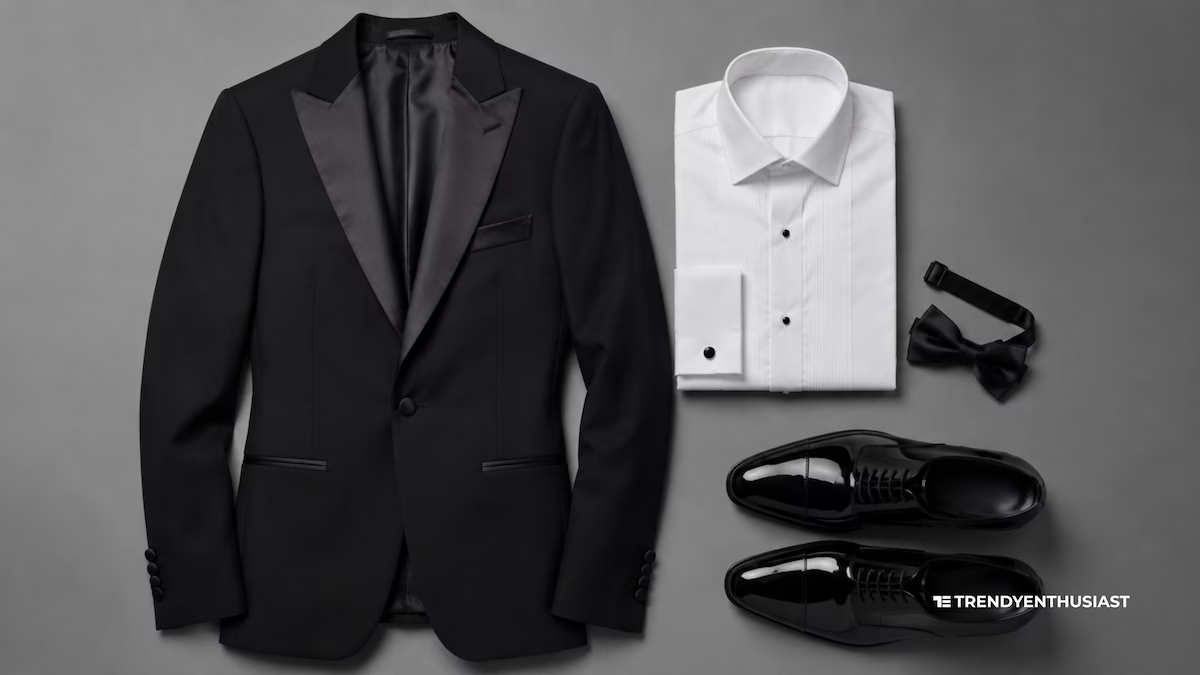
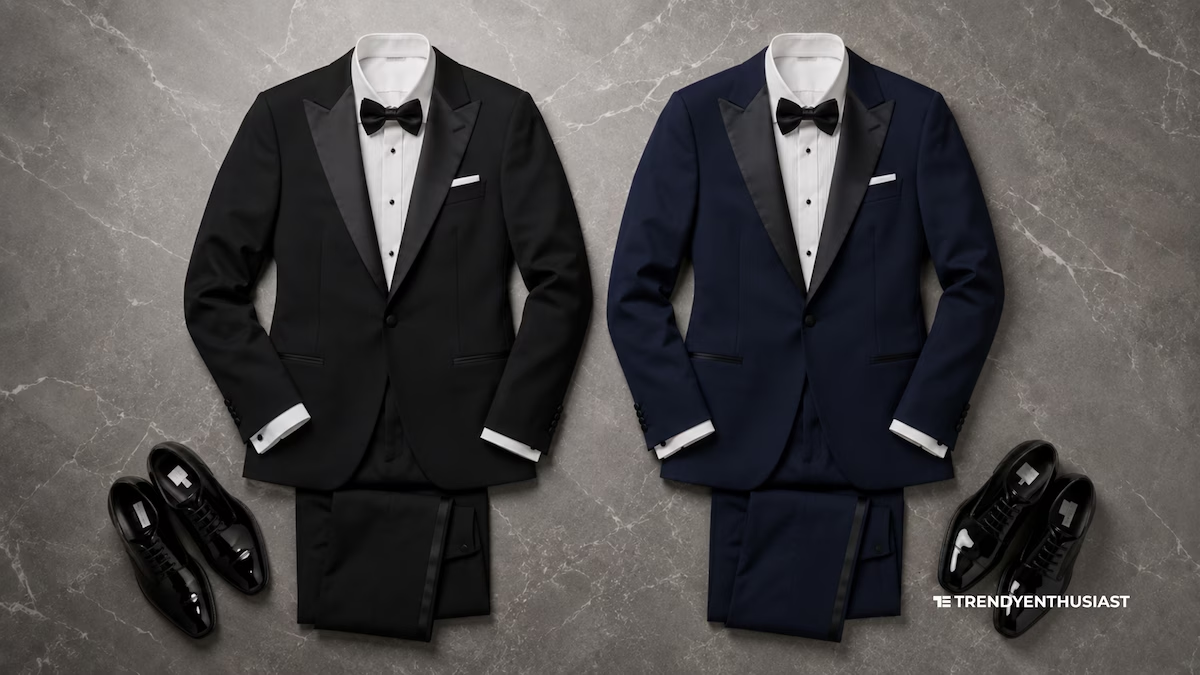
An invitation that says black tie means one outfit, and one outfit only: a black or midnight-blue tuxedo, a white formal dress shirt, a black bow tie, and black formal shoes. It’s the second-most formal dress code that exists and it’s traditionally reserved for evening events starting after 6pm. There’s no gray area here. If the invite says black tie, a normal business suit doesn’t cut it, no matter how expensive it is.
That’s the short answer. Below, we’ll break down every piece, where you’re allowed to flex, where you’re not, and how the black tie dress code shifts slightly depending on whether you’re in the UK, at a wedding, or just a guest trying not to overthink it.
Not sure your invite even is black tie? Run it through our free Dress Code Decoder, plug in the event type and it’ll tell you exactly what tier of formal you’re dealing with.
Black tie is formal evening attire built entirely around the tuxedo, what Americans call a “dinner suit” and what the British sometimes call “dinner dress.” It sits one rung below white tie (tailcoats, waistcoats, the works) and several rungs above your interview suit.
The formula for men doesn’t change much whether you’re in London, Lahore, or Los Angeles:
Everything about black tie is designed to look deliberate. The satin details, the specific collar styles, the matching trouser stripe, these exist so the outfit reads as eveningwear, not office wear that’s been dressed up. That distinction matters more than people think, and it’s exactly why a dark business suit, however sharp, still misses the mark.
The name comes directly from the accessory: the black silk bow tie that anchors the whole outfit. In the late 1800s, when this dress code broke off from the far stricter white tie standard, the bow tie’s color became the shorthand for the entire look “black tie” meant this specific formal outfit, as opposed to “white tie,” which meant the more ceremonial version with a white bow tie and tailcoat instead of a dinner jacket.
Here’s the breakdown, piece by piece.
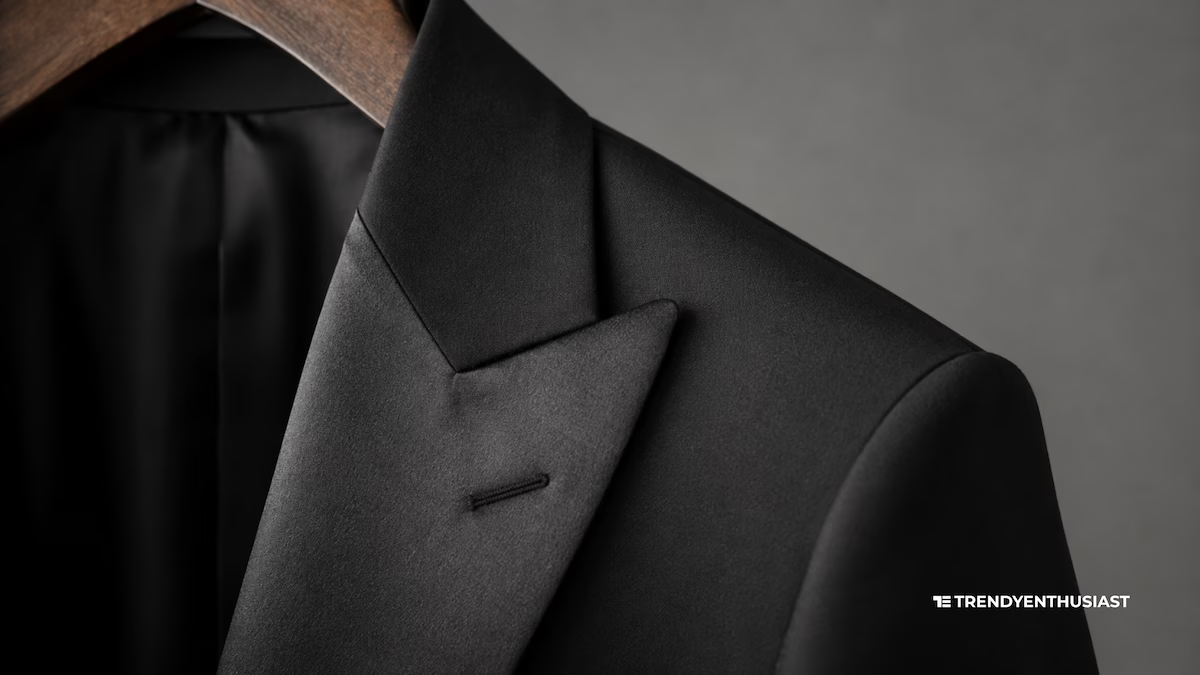
Black or midnight-blue wool is the traditional choice, and midnight blue is worth knowing about under artificial evening light, it actually reads darker than true black, which is part of why it became a popular alternative among people who know the dress code well. Peak lapels in satin or silk are the classic detail. A single-breasted jacket with one button is the safest cut; double-breasted is acceptable and looks sharp, but skip the waistcoat if you go that route since the jacket stays buttoned.
Velvet dinner jackets have become a more modern, slightly less traditional option, still within the rules, just with more personality. Save these for smaller, less formal black tie events rather than a black tie wedding or a gala.
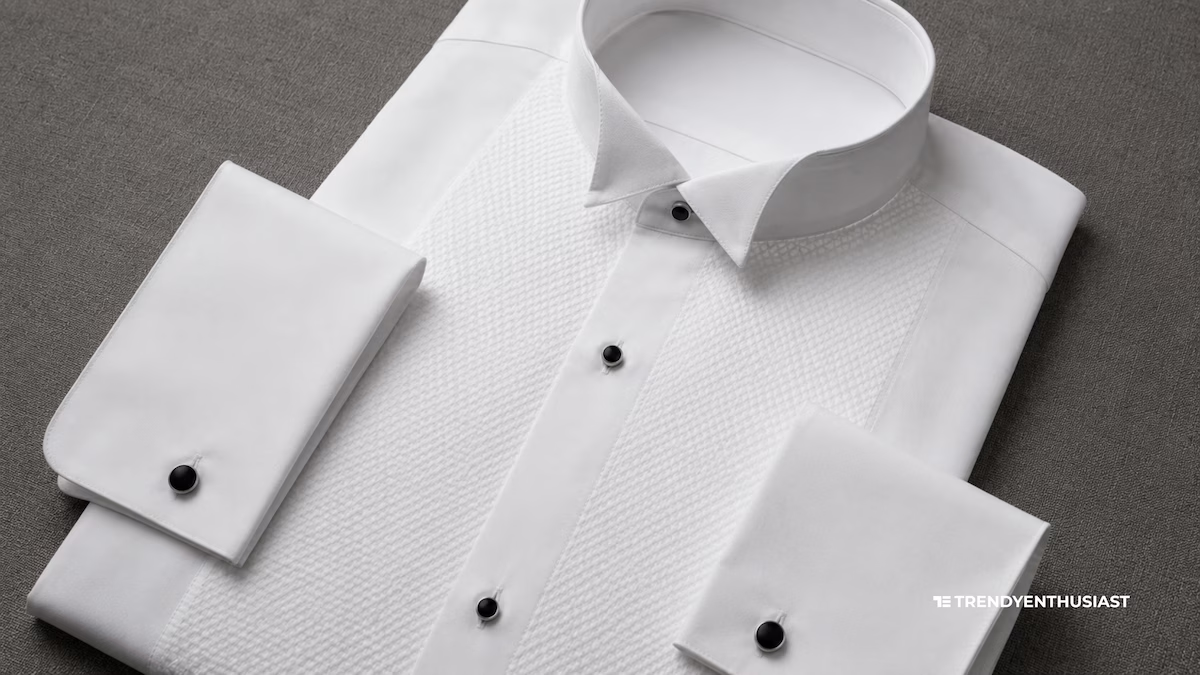
This is where a lot of men get it wrong by reaching for an everyday white shirt. A proper black tie shirt has a Marcella bib front (that slightly textured, structured panel down the chest) or a pleated front, paired with a turndown or wing collar, and French cuffs but never button cuffs, because French cuffs are what cufflinks are made for. A regular dress shirt technically won’t get you turned away, but it will visibly drop your formality a notch next to everyone else in the room.
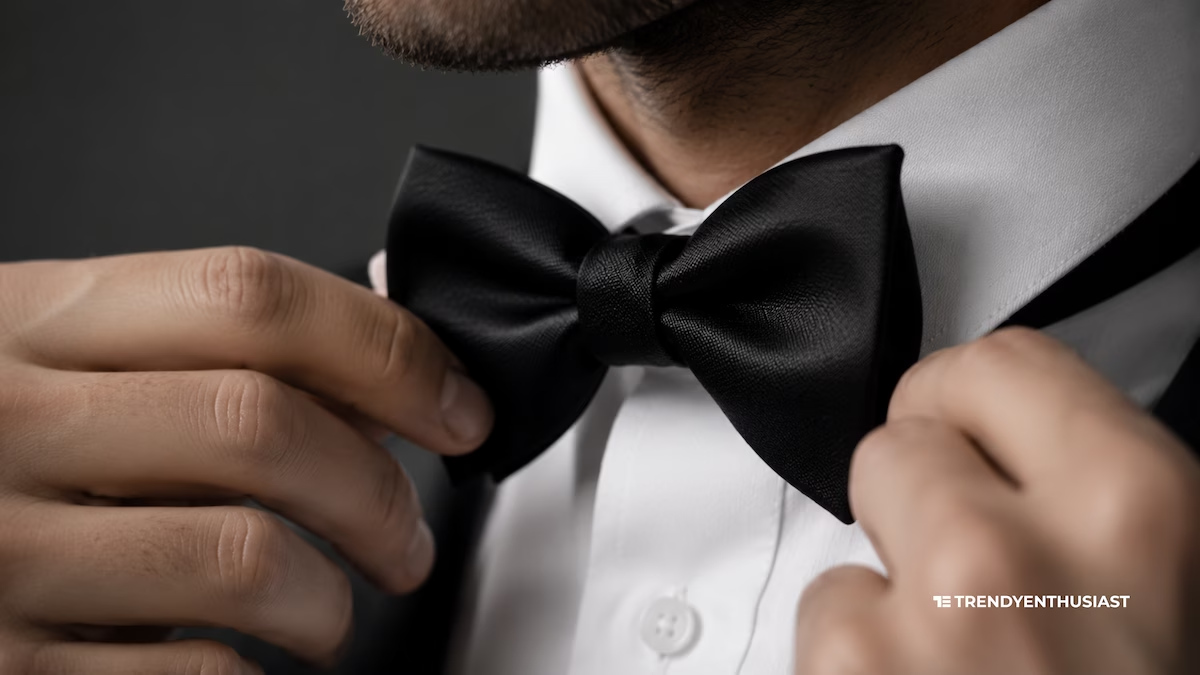
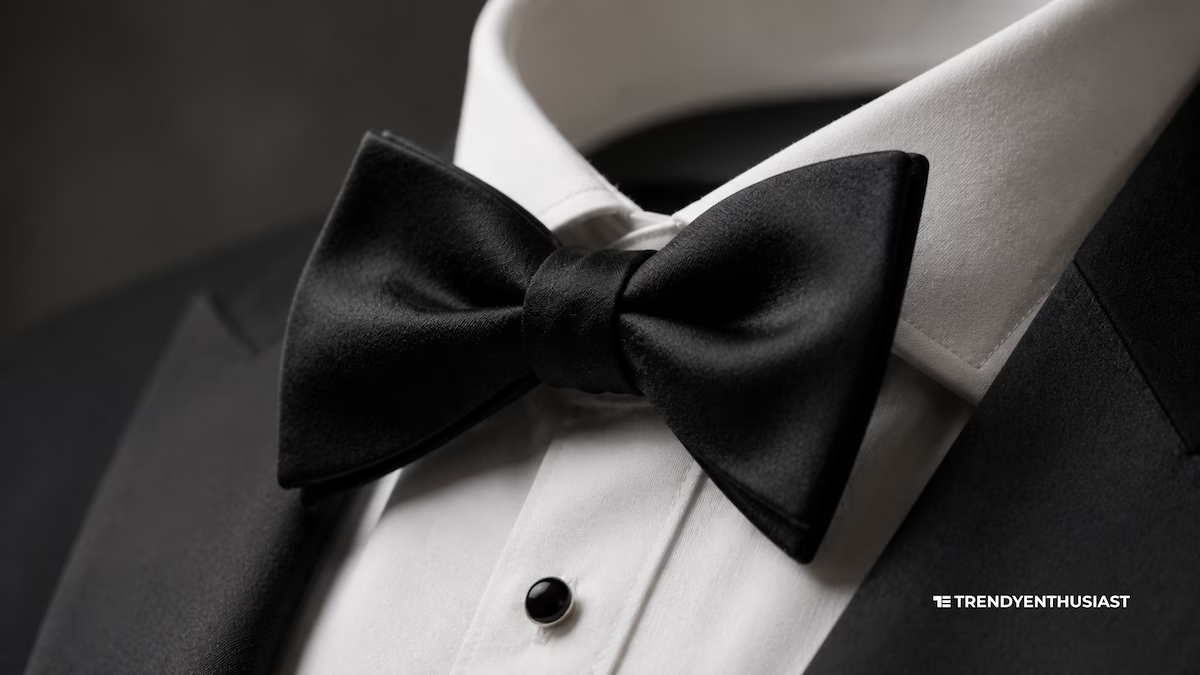
Black, silk, self-tied. That’s the standard. A pre-tied bow tie is a reasonable fallback if you genuinely can’t manage the knot, but a hand-tied one is still the mark of someone who’s done this before, slight asymmetry is part of the look. Never wear a white bow tie to a black tie event; that’s reserved exclusively for white tie.
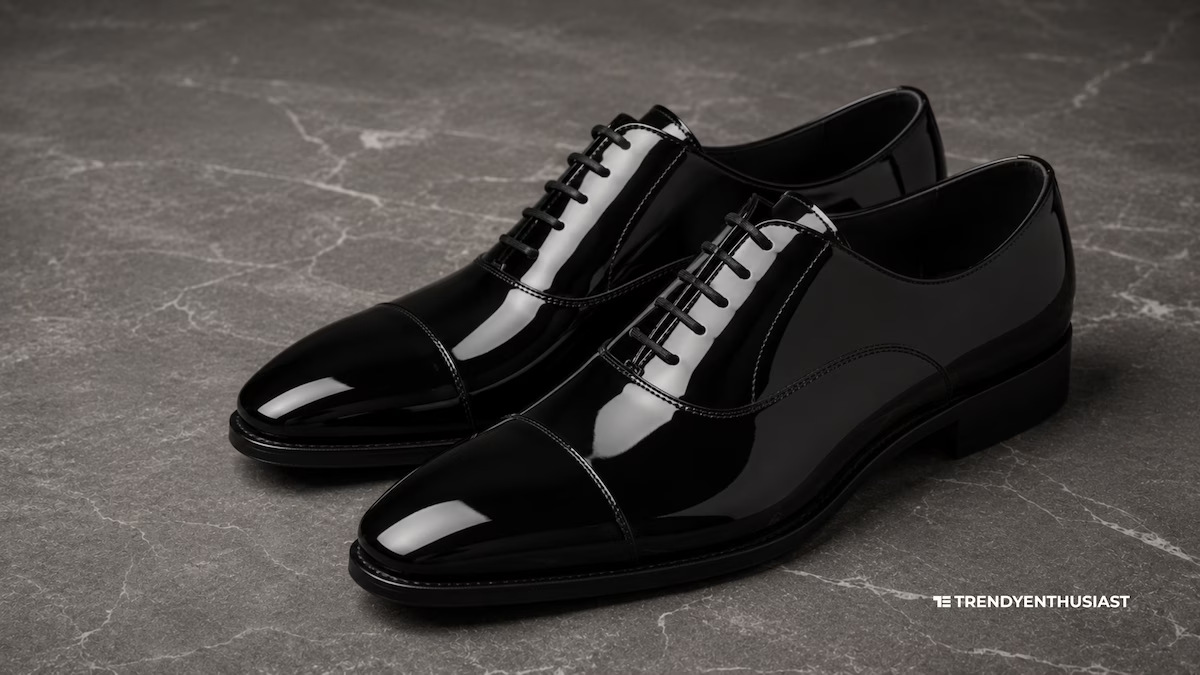
Black patent leather Oxfords are the traditional go-to. A plain black Derby or a polished velvet slipper both work if you want something a touch different, but the shoes should always be black, always polished, and never the pair you wear to the office five days a week.
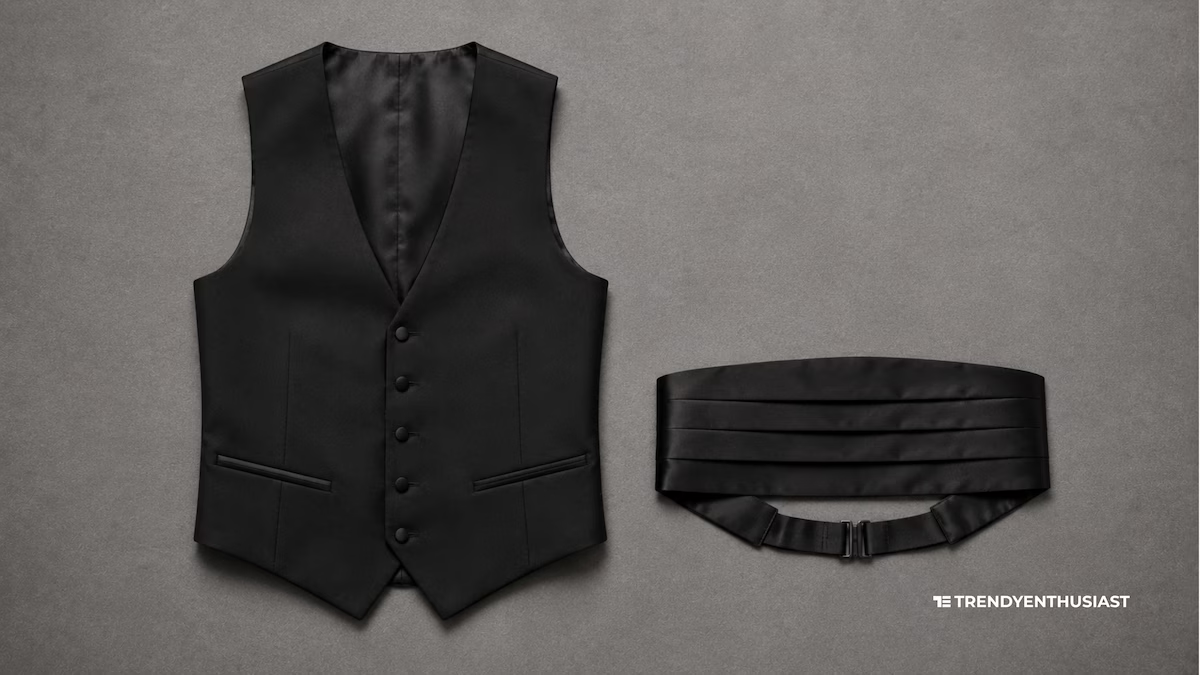
If your jacket is single-breasted and buttoned only at the top, you’ll have a gap of shirt showing at the waist. A waistcoat or cummerbund closes that gap and gives the outfit a finished silhouette. Neither is strictly mandatory, and it’s genuinely a matter of personal taste but if you skip both, make sure your jacket is cut to sit clean without one.
The core rules are near-identical globally, but there are two small regional habits worth knowing if you’re navigating a UK black tie wedding or event specifically:
A black tie wedding follows the exact same rules as any other black tie event, with one small allowance: guests can bring in slightly more personal flair through accessories. A tasteful pocket square, a subtly patterned bow tie if the couple’s invitation signals some flexibility, or a boutonnière if you’re part of the wedding party. The core outfit remains dinner jacket, dress shirt, bow tie, black shoes.
One thing that does matter more at weddings: read the invitation language carefully.
If you’re dressing for a wedding reception dinner specifically and want to understand how restaurant-level dress codes intersect with formal eveningwear, our guide on what to wear to a Michelin-starred restaurant breaks down that same formality logic in a dining context – useful if the reception venue is somewhere with its own dress expectations.
No. This is the single most common mistake men make with this dress code. A normal business suit, even a genuinely excellent one in dark navy or charcoal, is built from different fabric, cut differently, and missing every detail that signals “eveningwear”: no satin lapels, no matching trouser stripe, no formal shirt underneath.
The only exception is when an invitation specifically says “black tie optional” or “formal suit acceptable,” which some hosts include to be inclusive of guests who don’t own or want to rent a tuxedo. Outside of that wording, treat “black tie” as a hard requirement, not a suggestion.
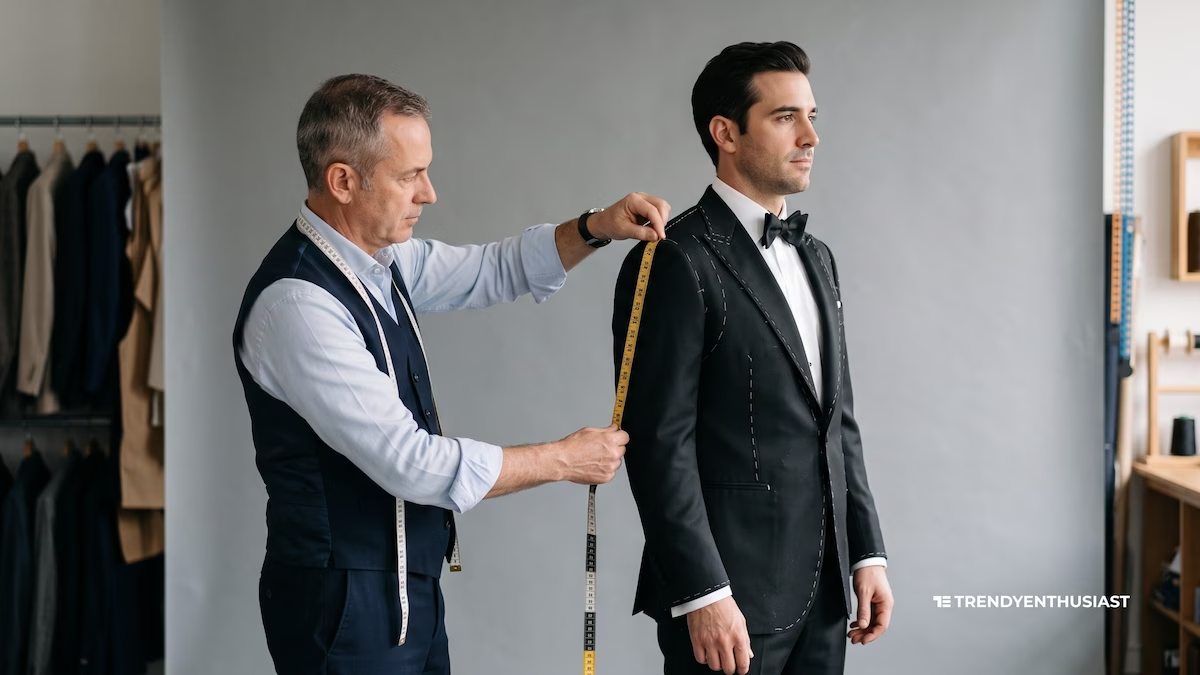
The tuxedo is unforgiving on fit in a way a regular suit isn’t, the satin lapels and structured shirt front draw the eye, so anything slightly off is more visible. A few fit checkpoints worth knowing before your event:
If you’re not confident buying off-the-rack, renting from a formalwear specialist is a completely legitimate move for a one-off event, just get measured properly first rather than guessing your size online.
Quick gut-check list before you leave the house:
❌ Jeans, chinos, or anything casual
❌ A regular business suit, however dark or sharp
❌ A patterned tie or shirt
❌ Brown shoes, sneakers, or loafers
❌ A white bow tie (that’s white tie only)
❌ A tie instead of a bow tie, unless the event specifically allows it
It’s formal evening attire built around a black or midnight-blue tuxedo, worn with a white formal dress shirt, a black silk bow tie, and black formal shoes. It sits below white tie and above business formal, and it’s the standard for evening weddings, galas, and formal dinners.
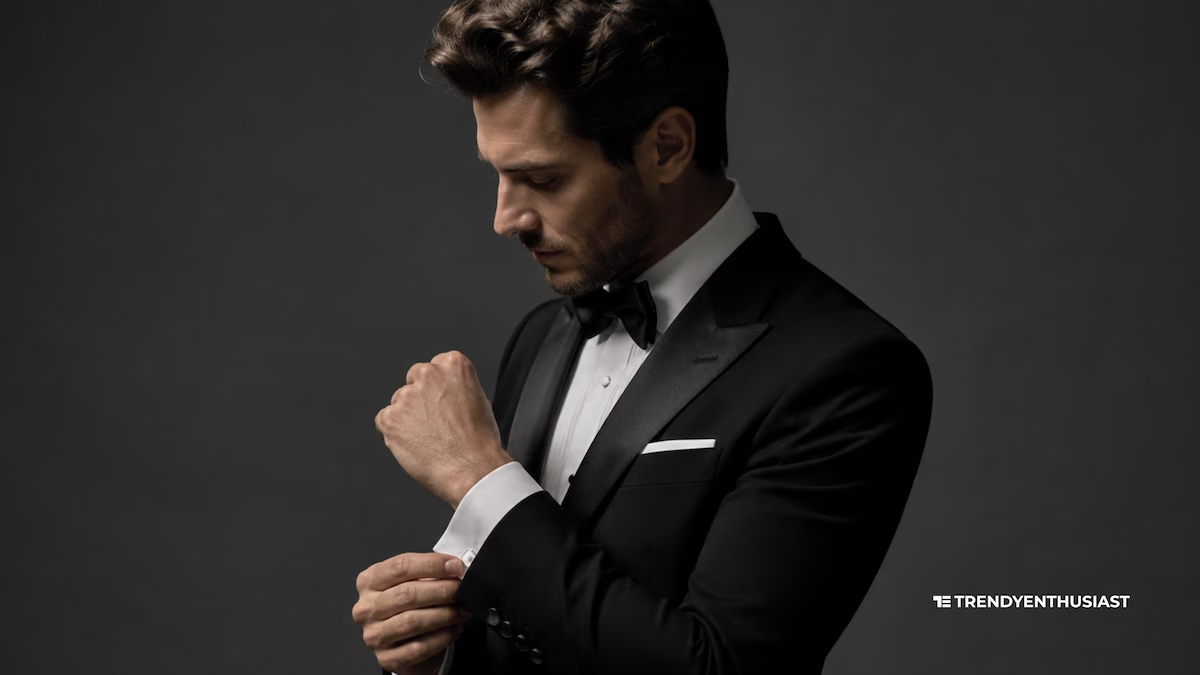
A dinner jacket and matching trousers, a white dress shirt with a Marcella or pleated front, a black bow tie, and polished black shoes. Cufflinks are required since the shirt takes French cuffs, and a waistcoat or cummerbund is optional but recommended for a finished look.
The same as for the host or anyone else invited — a full tuxedo is expected unless the invitation specifically says “black tie optional,” in which case a very dark, sharply tailored suit is an acceptable substitute.
It’s named after the black silk bow tie that’s the defining accessory of the outfit, distinguishing it from the more formal “white tie” dress code, which uses a white bow tie and a tailcoat instead of a dinner jacket.
No, unless the invitation explicitly says “black tie optional” or similar. A standard business suit is missing the satin details, formal shirt, and bow tie that the dress code specifically calls for, and it will read as underdressed next to guests in proper black tie
Founder and Editor of Trendy Enthusiast. Ali covers men's fashion, lifestyle, grooming, and the art of dining well - blending real experience with practical insight.
Connect on Instagram