When I first explored chinos vs dress trousers, I realized how much confusion exists even among modern men, because with such a wide array of legwear like cargo pants, cloth trousers, khakis, suit trousers, sweatpants, and jeans, choosing the right types of trousers can give real headaches, but once you start knowing the difference, it becomes easier to level up your style like a true smarty pants.
Since chinos can be easily styled for both business and leisure, making any outfit feel multifunctional, sophisticated, sporty, and elegant, while what truly distinguishes them from classic suit pants or formal trousers lies in their flexibility and comfort, and understanding these essential differences builds real knowledge that helps you choose better from all available options.
When it comes to building a versatile men’s wardrobe, understanding the differences between chinos and dress pants is essential. From fabric to fit, each serves a distinct purpose depending on the occasion and dress code.
The most immediate difference lies in formality.
Chinos sit comfortably in the business casual space, making them ideal for relaxed office environments, smart weekend outings, and semi-formal occasions.
Dress trousers, on the other hand, lean toward formal and professional settings, where a sharper, more polished appearance is expected.
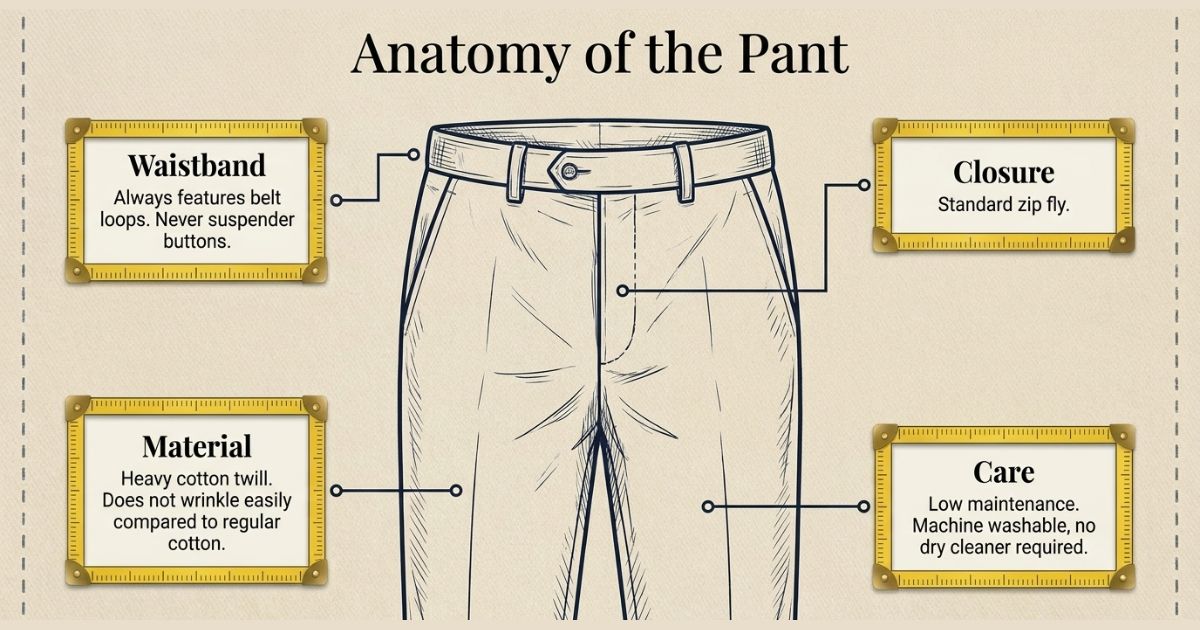
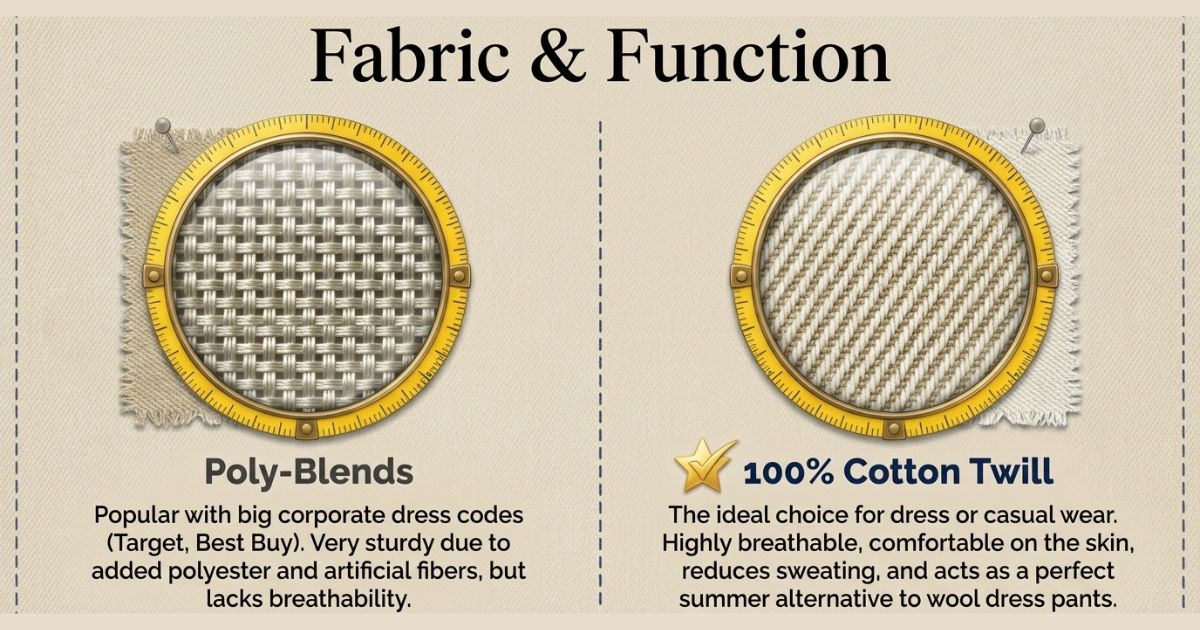
Chinos are typically crafted from cotton twill, stretch cotton, or modern performance blends, prioritising comfort, breathability, and all-day movement. Their construction features minimal lining and a relaxed waistband, keeping things lightweight and easy to wear.
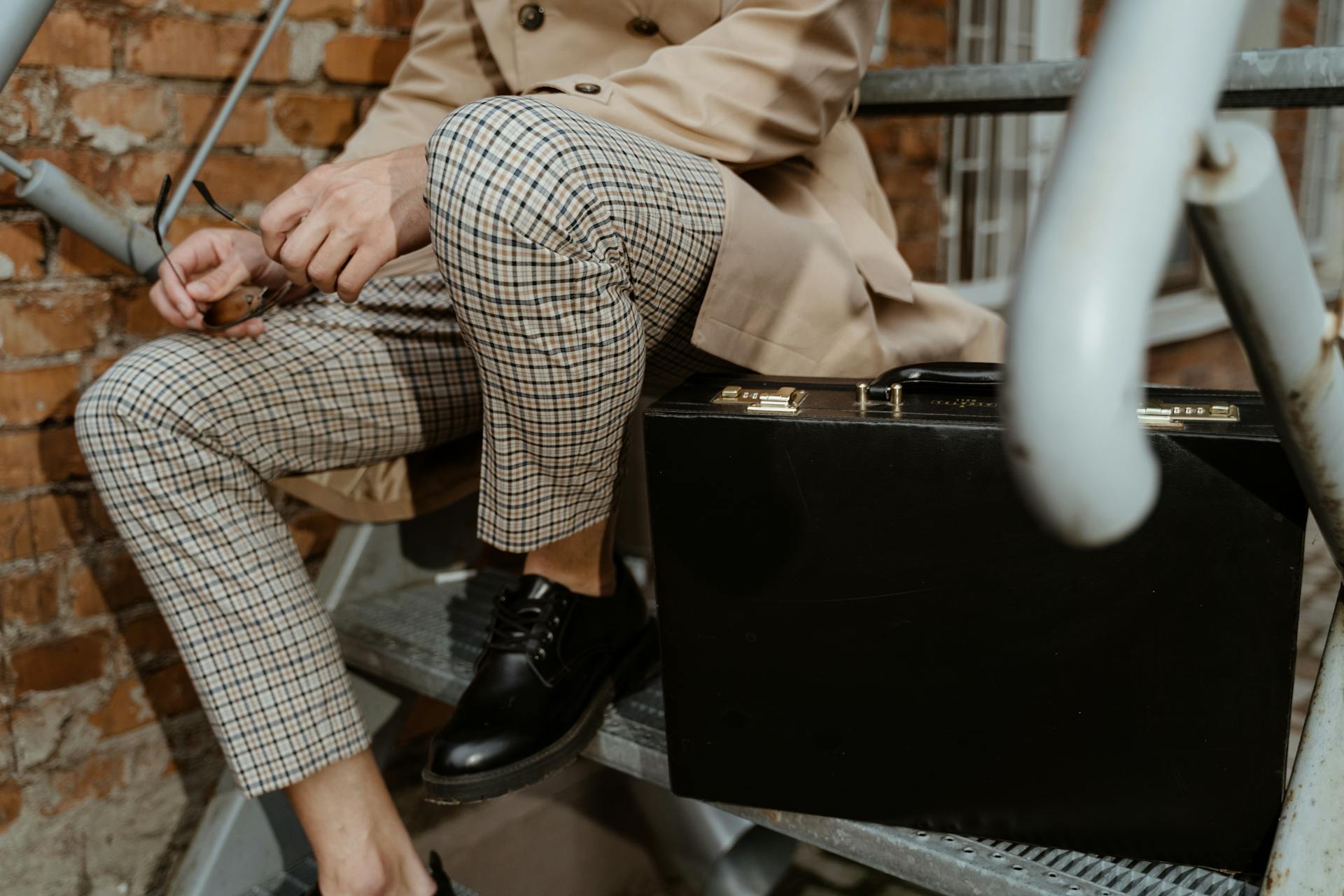
Dress trousers take a more structured approach, using fine wool, new wool, or wool blends suited for formal environments. Their construction includes pressed creases, front pleats, interior lining, and a tailored waistband – all designed to hold their shape and maintain a refined appearance throughout the day.
Chinos offer a casual, relaxed silhouette , slightly tapered leg, visible stitching, and casual hem lines that prioritise ease and movement over formality.
Dress pants deliver a structured, polished silhouette with refined subtle stitching and tailored construction that maintains a professional shape from morning meetings to evening events.
Chinos come in a range of fits i.e slim, slim-fit, or relaxed regular giving men flexibility to choose a style that suits their body shape and personal preference.
Formal trousers typically follow a straight-cut fit, designed to complement sharper dressing and formal occasions where clean, precise lines matter most.
Getting the right finish makes a significant difference in how either pant looks on the body.
Chinos are often worn shorter, sitting neatly above the top edge of the shoe, creating a modern, clean look.
Formal trousers follow a more traditional length, usually breaking slightly at the shoe for a classic, formal drape.
Tip: Hemming, tapering, and minor adjustments are often recommended for both styles to achieve the best proportions for your body shape.
For daily wear and movement, chinos have the edge. The use of stretch cotton and performance blends gives them superior breathability, making them the go-to choice for long days on the move.
Dress trousers, while less flexible, are built for occasions where appearance takes priority over comfort, and their structured fabric helps them look sharp from the first wear to the last hour of the day.
In men’s fashion, chinos stand out because they originated as military uniform pants built for comfort and durability, first introduced during the Spanish American War when American soldiers wore uniforms made from this fabric in the Philippines, and the name chino comes from China, showing the fabric’s origin and history.
Today, chinos, also known as cotton twill trousers, are pants made from cotton twill or performance blends, featuring a flat front and tapered leg for a clean look that works for weekdays, travel, and casual evenings, offering versatile wear even for semi formal occasions, while staying lightweight, comfortable, breathable, and a true wardrobe essential.
What makes chinos stand out is their multi-functional stretch cotton, innovative design, discreet side pockets, flexible fastening systems, and hidden mobile phone pockets, built on lightweight twill fabric that is temperature-regulating, durable, and offers maximum freedom of movement.
Dress trousers are specifically designed to be worn in professional environments and business casual settings, where a sharper dress code is expected, and I’ve often noticed in real styling work that they stand out compared to chinos because of their formal drape, structured silhouette, and refined details made from wool, polyester, or blend fabrics that create a polished appearance.
They are a classic, sophisticated, sometimes old-fashioned alternative depending on model, cut, and occasion, yet always tied to the right fabric, whether it’s finer fabric for a finer occasion, showing high-quality as a sign of true craftsmanship, visible through fineness fabric, elaborately finished seams, fine lining, and a discreet pleat, making them essential in office wear, formal events, and formal occasions where suits, blazers, and dress shirts.
They are often worn as a pair with trousers or pants, usually in darker tones like black, navy, or grey, giving a clean fit in slim, regular, or different range options to accommodate various body types and style preferences.
From my experience with sartorial purposes, choosing between chinos, formal trousers, and jeans depends on varied events, occasions, and events, where the spectrum of occasions shows their adaptability and how they bridge gap between casual and formal wear.
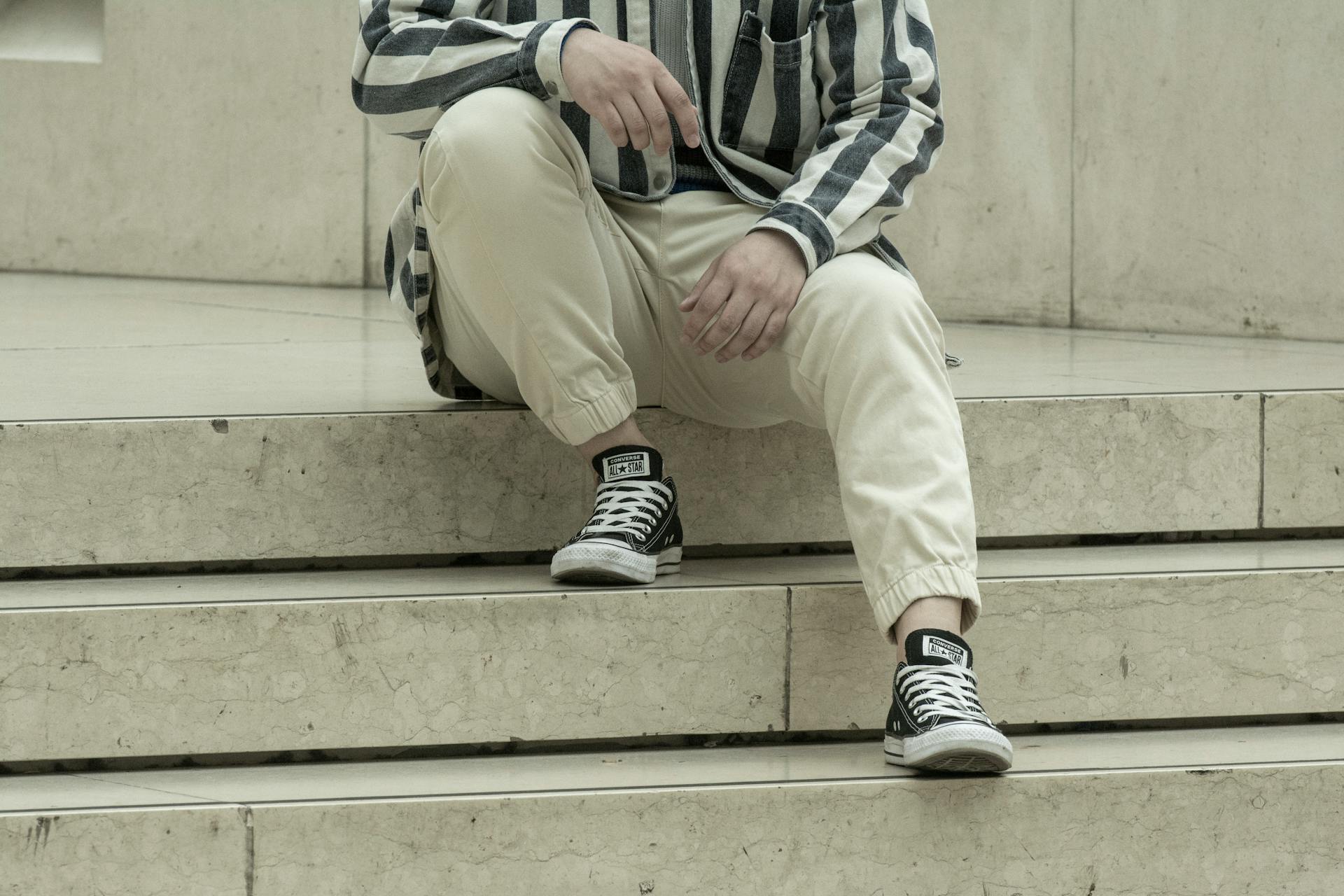
On casual outings, weekend gatherings, and casual Fridays, I usually go for chinos with a polo shirt or casual button-down, even for a relaxed evening event in business-casual environments, while dress pants feel more structured.
Instantly translate any dress code into a complete, stylish outfit. Completely Free.
Try Now →However, in formal settings like business meetings, corporate events, weddings, and interviews, I prefer dress pants or formal trousers paired with a suit jacket or blazer, as they reflect professionalism, polished elegance, and clear sharpness. As someone who dresses for work, I find chinos more versatile, especially when moving across different occasions and events, keeping balance in style choices. For a lunch date or semi-formal events, pairing chinos with a blazer feels right, keeping elegance without looking too formal.
Chinos are fully suitable for a business casual dress code, depending on your workplace norms. Made from cotton twill, they give a smart finish without the stiffness of formal suits or dress pants.
Their versatility allows pairing with polo shirts, button downs, and other tops, while earthy tones like beige, navy, and grey keep the look clean, balanced, and professional. They offer strong comfort, practicality, and aesthetic appeal for a full workday while still maintaining professionalism.
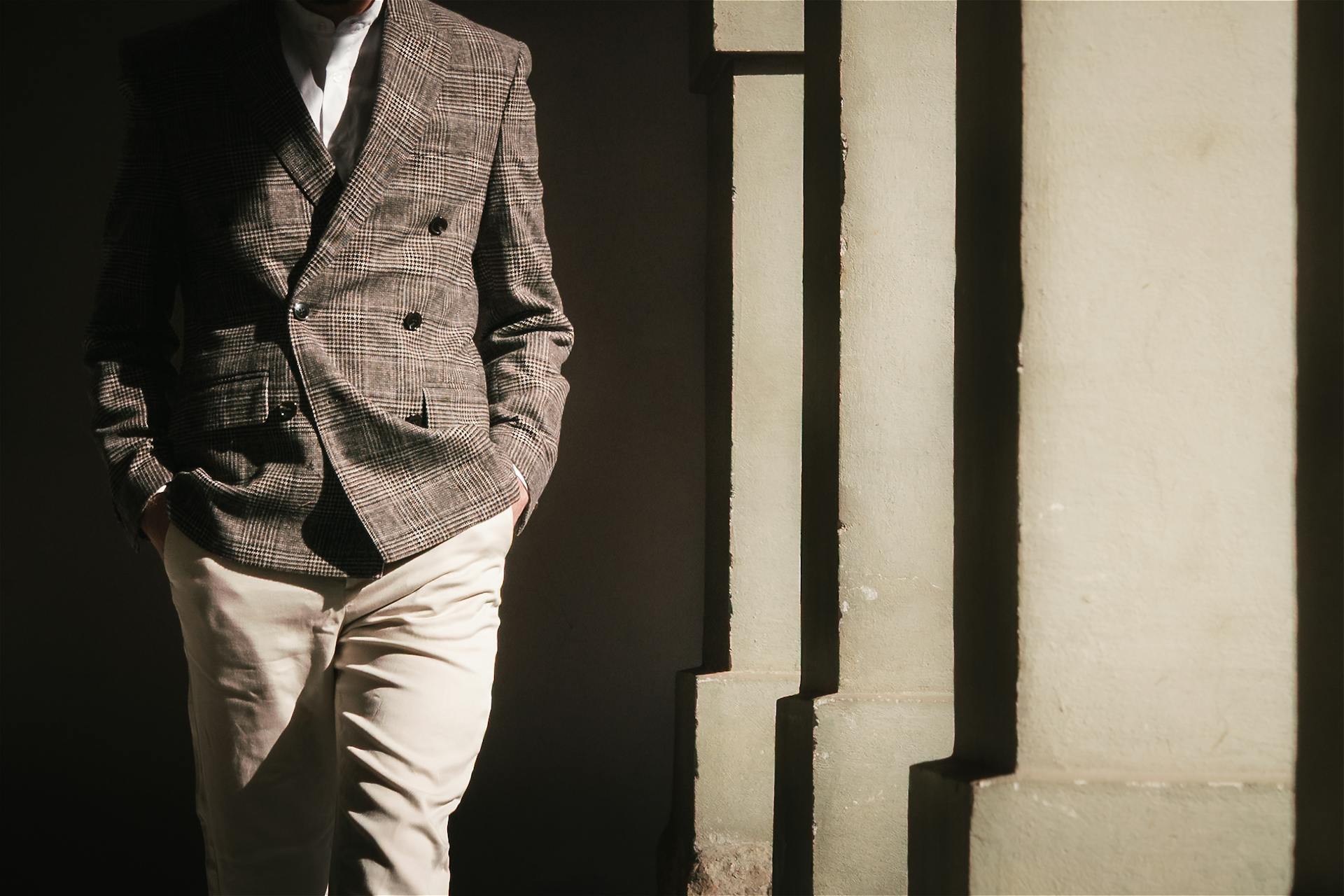
Yes, but only with the right styling tricks. Choose darker shades like navy or black chinos, as they can resemble dress pants in the right outfit. Pair them with a crisp, well fitted dress shirt, a blazer, and polished dress shoes to create a smarter appearance of our suit. For the complete guide on how a suit jacket should fit before pairing it with trousers, How to Measure for a Suit Jacket covers every measurement. Add subtle accessorising like a tie, belt, or pocket square for extra refinement. This works well for business occasions, upscale dinners, and cocktail parties, but avoid black tie affairs or strict formal settings, where true formal suits and traditional attire are required.
At the end of the day, choosing between chinos and dress trousers comes down to the occasion and your personal style. Smart men keep both in their wardrobe – chinos for business casual and weekend wear, dress trousers for formal events and formalwear. Whatever you reach for, fit is everything. If you have an athletic build, chinos crafted from 4-way stretch fabric give you the comfort, freedom of movement, and sharp look you need for work, weekends, or any upcoming event.
The trouser decision sits inside a broader set of choices about formality, occasion, and wardrobe coherence — the complete system is in The Complete Men’s Style Guide.
From my experience, there is no clear superiority because it always depends on the event, as in smart and casual situations chinos naturally come out on top, while for a formal setting you often need that touch of elegance where dress pants feel almost unmatched; still, both chinos and dress pants truly offer great versatility, making it less about which is better and more about how you style them for the moment.
The chino remains a preppy-chic wardrobe staple in 2026, and its military roots still add a subtle utilitarian edge to any modern wardrobe; in fashion terms, its lightweight cotton twill makes it a practical essential that feels comfortable yet looks quietly stylish, making it a smart alternative to dress trousers.
In my experience, chinos can dress up well in business casual settings, but they are not true dress pants for strictly formal settings; real trousers are built from fine wool or a wool blend with pleated fronts for a sharper formal look, while chinos are more casual, crafted from heavier cotton twill, and this difference in cotton, twill, wool, and blend affects how they suit different settings and how clean the fronts appear.
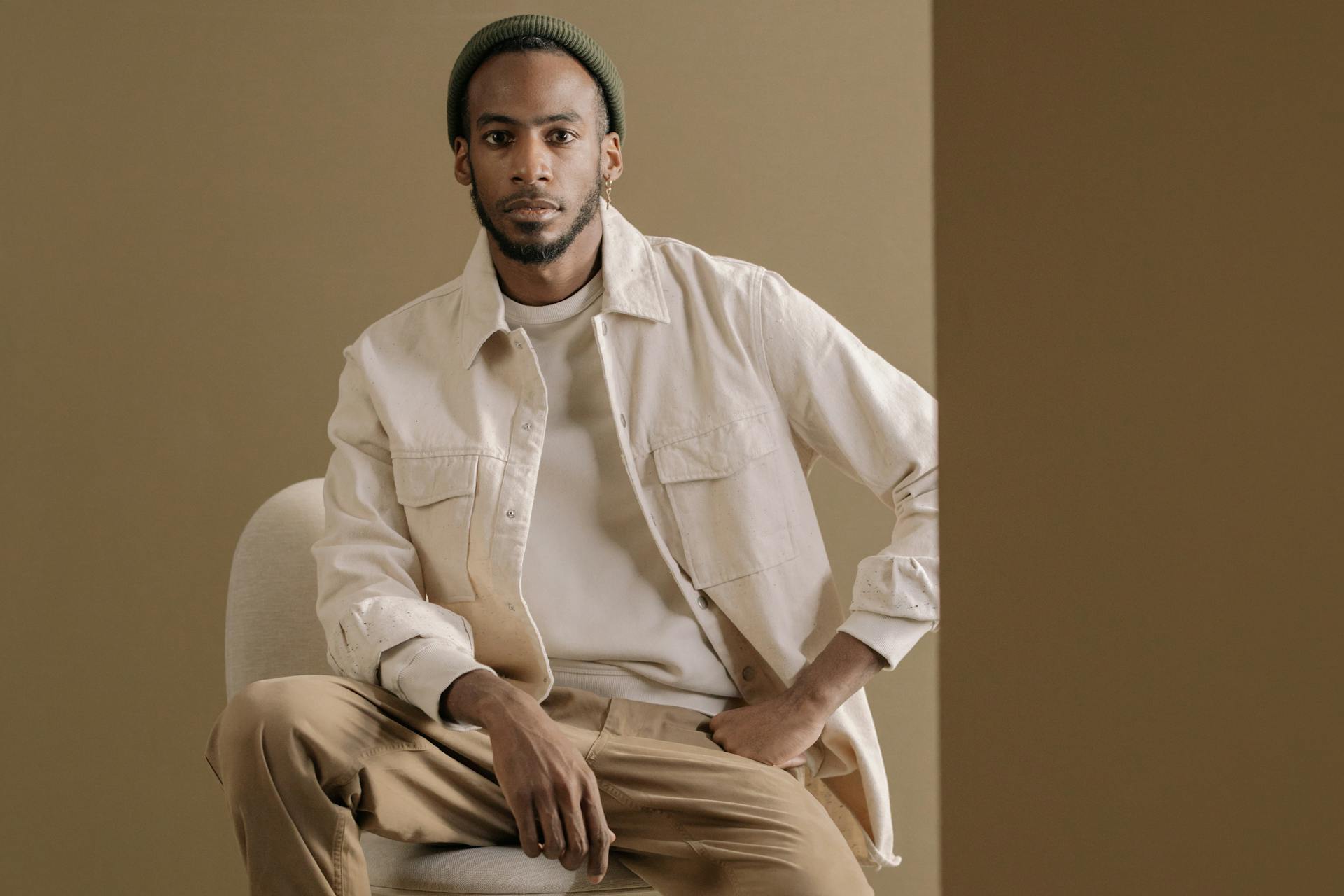
From my experience, people who wear chino pants want a smart middle balance between dress pants and casual pants, and you will never find pleats here, which keeps them more relaxed; I often see modern chinos in a lot of colors, and they typically have pockets that are small pockets sewn inside the pants, so they stay clean in look, and many classify them as preppy or slightly dressy, representing easy everyday style.
Founder and Editor of Trendy Enthusiast. Ali covers men's fashion, lifestyle, grooming, and the art of dining well - blending real experience with practical insight.
Connect on Instagram