Navigating the nuances of workplace dress codes within a modern corporate environment often leaves even the most sartorial-minded people feeling confused, especially when trying to pinpoint where business wear and casual wear begin and end.
For the modern gentleman who is familiar with the reality that, in today’s fashion, rigid clothing styles frequently blend together into fluid hybrids, traditional dress etiquette has evolved into something less prescriptive but harder to navigate with confidence.
This guide breaks the code down piece by piece: what separates it from business casual, exactly what to wear on top, on your legs, and on your feet, which colours and fabrics work, and how to adjust the formula for your build plus real answers to the questions men actually search before they get dressed.
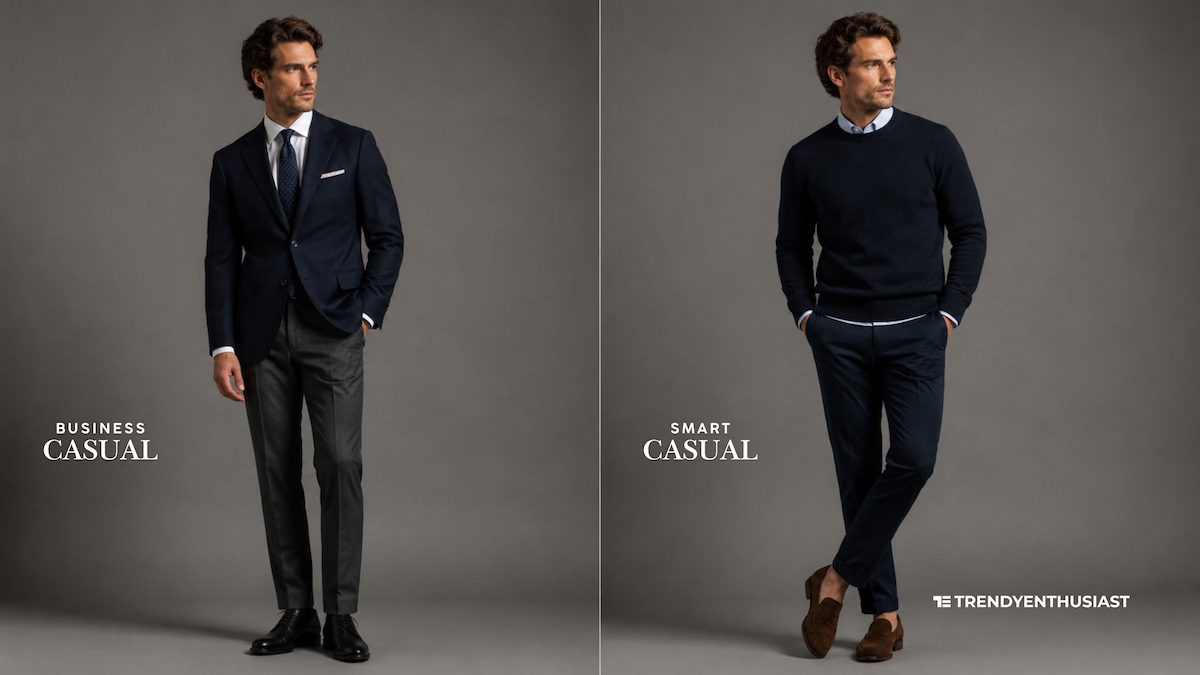
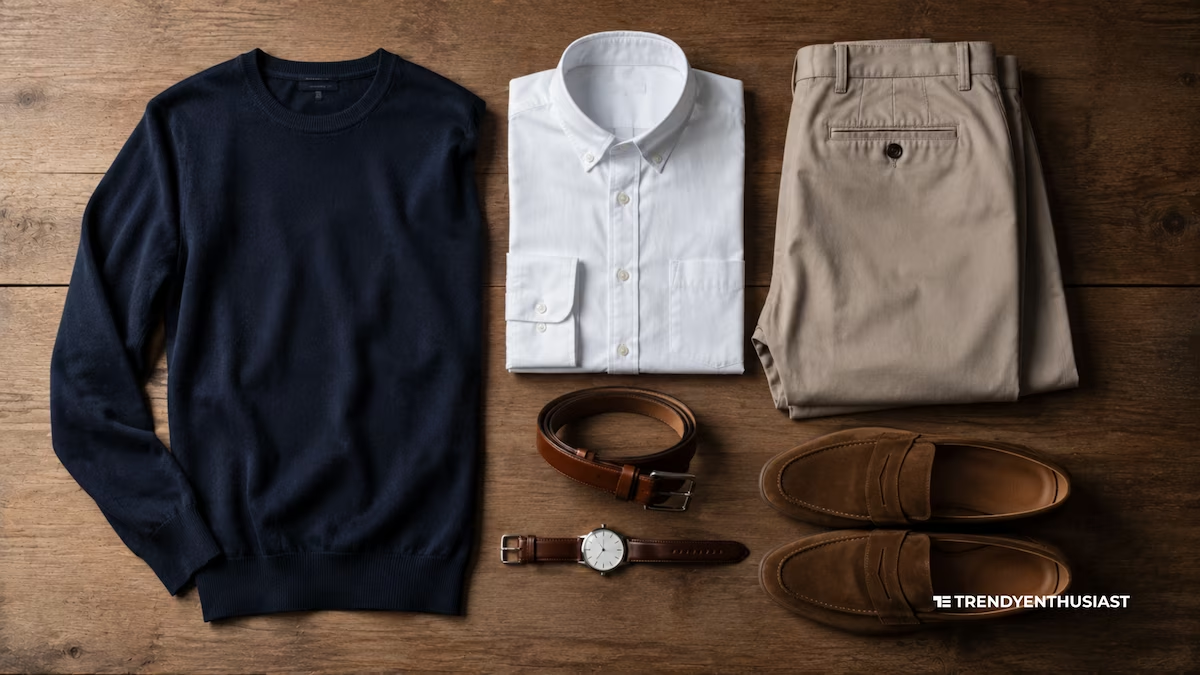
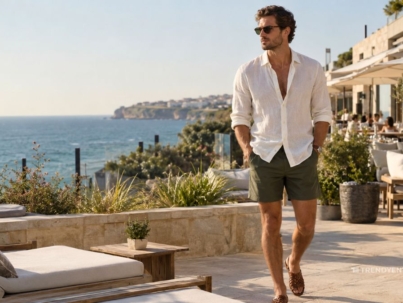
Smart casual sits more relaxed than business casual, giving you room to inject personality without losing the plot. The aim is still to look pulled together and intentional, just through relaxed pieces like polos, knitwear, or smart sweatshirts, plus cleaner jeans or darker jeans if the venue allows it.
Some looseness in tailoring or silhouette is entirely acceptable here, and this is where patterns, textures, and subtler trends earn their place, cleanly integrated rather than overdone. Accessories and colours can run bolder and more varied too, smart casual rewards a bit of dress confidence, not caution.
Business casual sits between formal business wear and fully casual dressing, a dress code built on structure, not surrendered to it. Think tailored trousers or chinos, collared shirts (formal shirt or smart button-down), a blazer on standby, ties kept optional depending on company and meeting.
The emphasis is neatness and professionalism over full formality or a suit and tie; fabrics like fine cotton and wool blends deliver smoother textures and a polished look without trying too hard. Get this right and you’ve nailed a professional look, push it one notch looser and you’re in smart casual, the less formal extension of the same less formal business wear logic.
Most guides treat these as near-synonyms. They’re not, and the confusion is exactly what gets men over- or under-dressed for the wrong room.
Business casual is relaxed business wear. It keeps one foot in the office: tailored trousers or chinos, a collared shirt, often a blazer, ties optional. The palette stays conservative like navy, grey, charcoal, white and the goal is to look professional without a full suit.
Smart casual is one step further from the office. It borrows the structure of business casual (still no scruffy trainers, still no wrinkled cotton) but opens the door to knitwear, textured shirts, bolder colour, and clean dark denim. It’s the code for the dinner after the meeting, not the meeting itself.
| Element | Business Casual | Smart Casual |
|---|---|---|
| Formality | Structured, conservative | Relaxed, but pulled together |
| Jacket | Blazer expected in most settings | Blazer optional; smart knitwear works |
| Shirt | Collared, plain or subtle pattern | Collared or fine-knit polo, more pattern allowed |
| Trousers | Chinos or dress trousers, no denim | Chinos, or dark clean denim if the venue allows |
| Colour | Navy, grey, charcoal, white | Wider palette — earth tones, muted colour, texture |
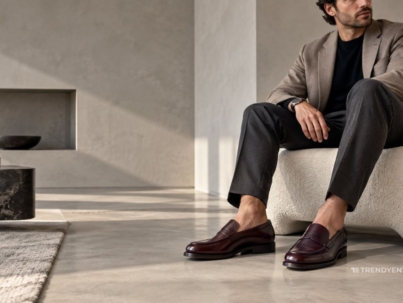
| Shoes | Leather oxfords, derbies, loafers | Loafers, suede, minimal leather trainers (context-dependent) |
| Best for | Client meetings, corporate offices, interviews | After-work drinks, creative offices, dinners, semi-formal events |
The rule that actually matters: business casual is a dress code you follow; smart casual is a dress code you interpret. That’s exactly why it trips people up.
Your top half sets the formality of the whole outfit, it’s the first thing read at 10 feet.
Smart casual gives you more room than business casual, but “more room” isn’t “no rules.”
Smart casual gives more room to experiment with fit than a suit does but proportion still does the heavy lifting. A boxy jacket over slim trousers, or a slim polo under a loose blazer, breaks the line the whole outfit depends on. If you’re not sure where your proportions land, run your measurements through our Body Shape Matcher – it’ll point you to the cuts and silhouettes that work with your build before you buy a single piece.
If you’re heading somewhere with a stricter dress code run it through our Dress Code Decoder first. It’s built for exactly this kind of “which code am I actually in” moment.
Smart casual is a less formal extension of business casual built for everything outside work, from dinners to weekends, where the dress code loosens but “trying” still shows. Business casual rules the office and meetings; smart casual takes over everywhere else, unless you’re in a genuinely informal environment, where it becomes your go to for the office too.
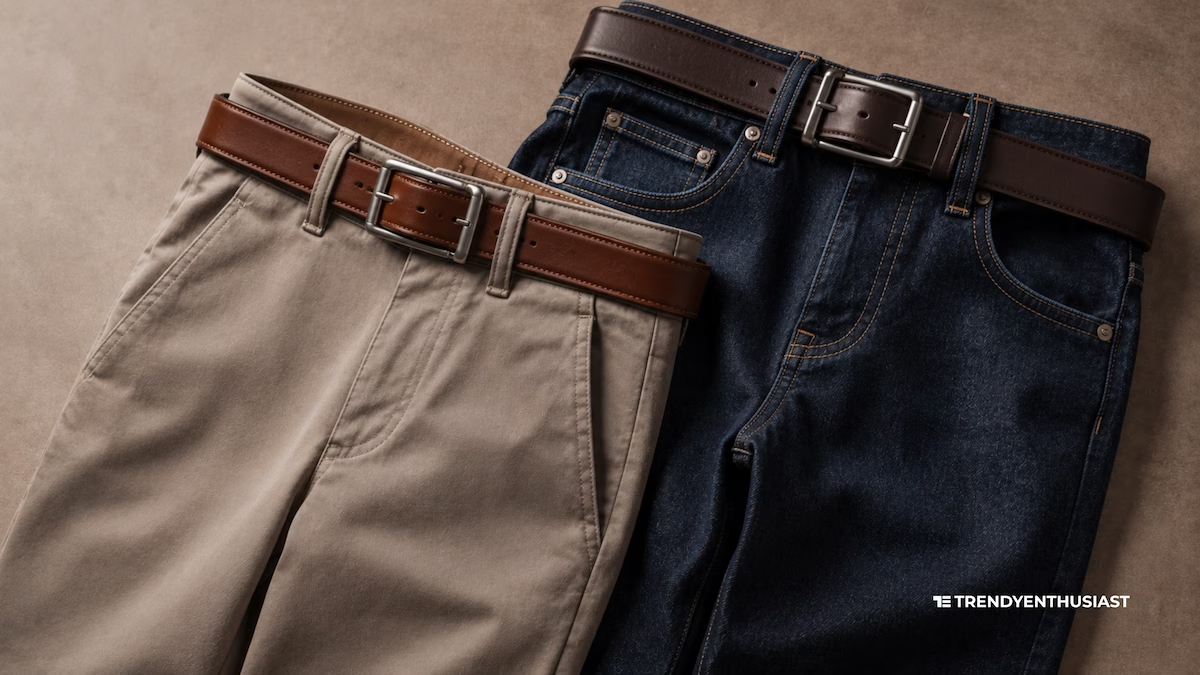
Dark-wash jeans or black jeans are your safest bet close enough to traditional slacks that the darker color hides any evidence of wear that tips jeans into looking too casual. A lighter wash or bright-colored jeans can work, but let your office culture be the judge.
Steer clear of very casual clothing cargo pants, jogger pants, floaty summer dresses, hoodies, and graphic t-shirts all read as too casual for a smart casual dress code, no matter how sharp the rest of your outfit is. Get this wrong and you’ll simply look underdressed, not relaxed.
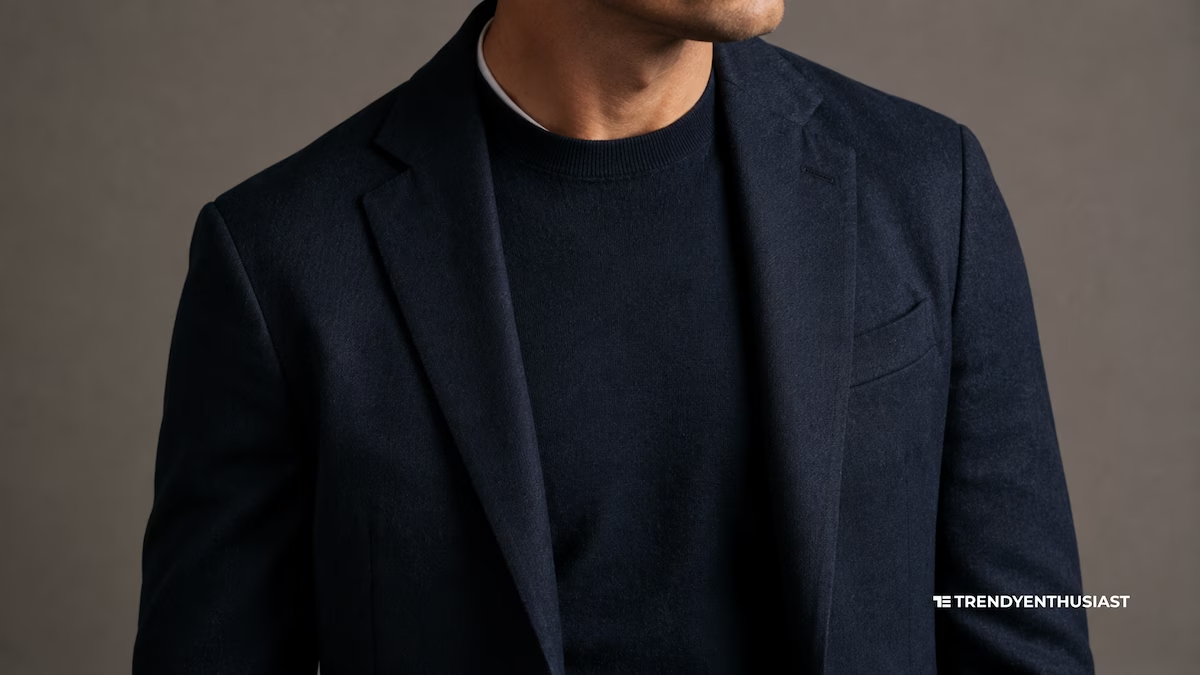
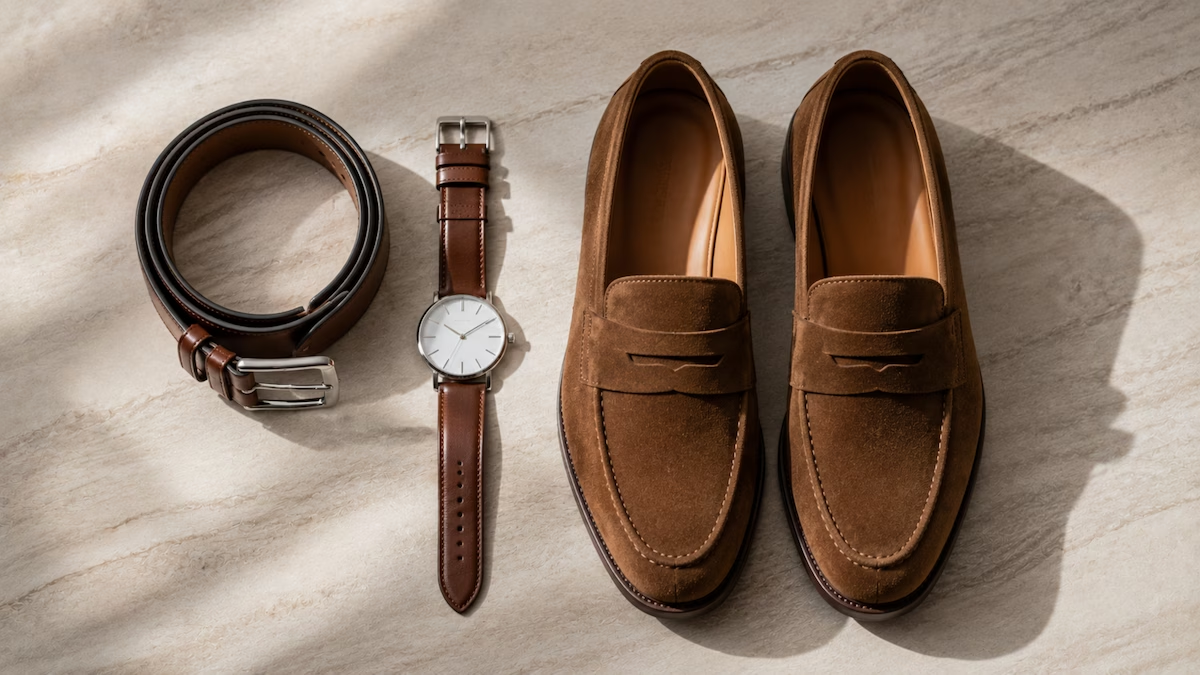
A solid smart casual dress for work draws from blazers, sports jackets, sweaters, trousers, and khakis on top and bottom, paired with button-down shirts or polos. Round it out with dress shoes or boots on your feet, and finish with scarves or jewelry for that final, deliberate touch.
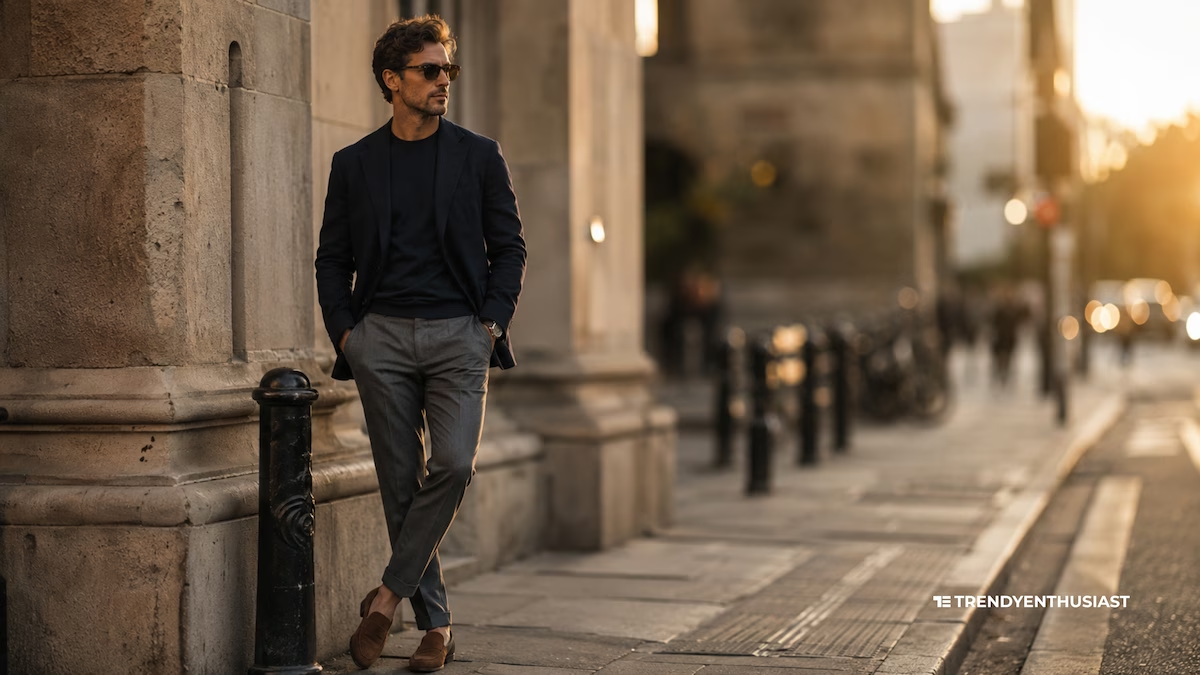
Smart casual pants work best in cotton, cotton stretch blends, wool, or denim but ripped jeans are off the table. Stick to a pant style that fits your leg length cleanly, without a dramatic break pooling at the ankle; it’s the difference between a modern look and one that either sags or reads too formal.
No. Business casual stays closer to the office structured, conservative, tie-optional. Smart casual is one register more relaxed, allowing knitwear, bolder colour, and sometimes clean dark denim.
Yes, a well-fitted pique or merino polo is one of the most reliable smart casual pieces, especially without a jacket. Stick to solid colours or subtle textures.
Founder and Editor of Trendy Enthusiast. Ali covers men's fashion, lifestyle, grooming, and the art of dining well - blending real experience with practical insight.
Connect on Instagram