Buzz Fade Guide: Low, Mid, High, and Skin Fade Explained
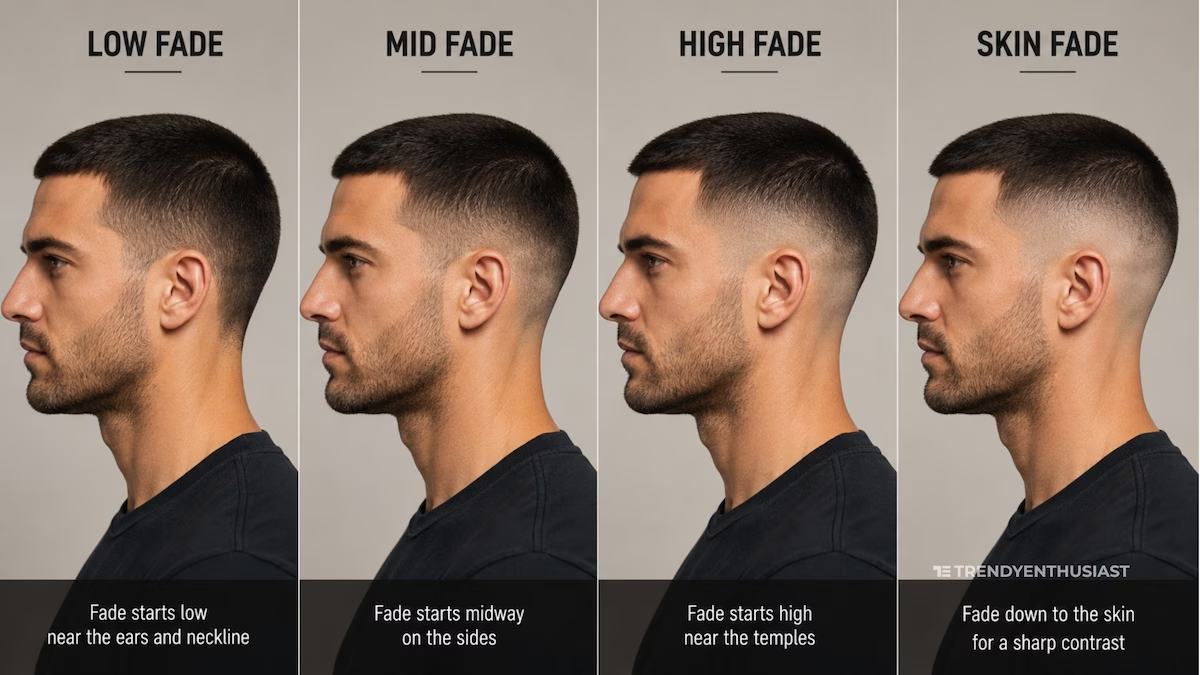
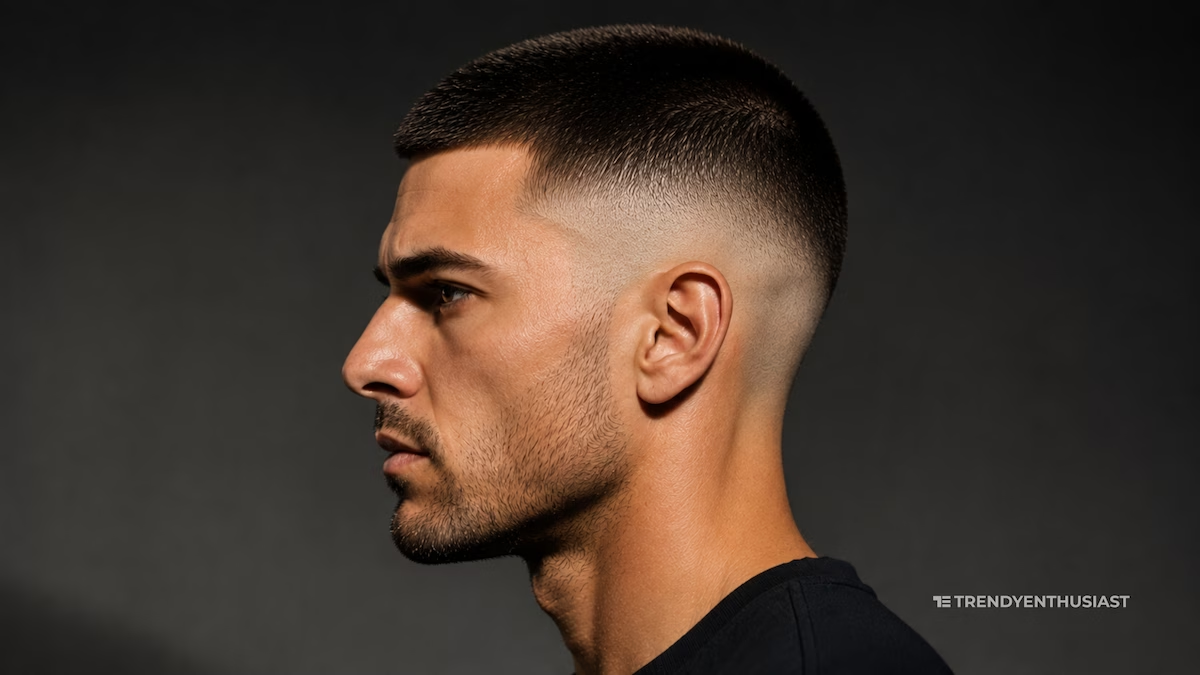
A buzz fade pairs a short, uniform buzz cut on top with clipper work on the sides that gradually shortens toward the hairline. The fade height is what separates a low fade from a mid fade, a high fade, or a skin fade. Same top length, four completely different finished looks, and each one changes how much maintenance you’re signing up for.
Most men ask for “a fade” without specifying height and end up with whatever the barber defaults to. This guide breaks down all four fade heights by exact blend point, tells you which one suits which face shape, and which one actually fits your lifestyle.
Quick answer: Low fade starts just above the ear, the lowest-maintenance option and the easiest to grow out. Mid fade starts at temple height it’s the most balanced, safest default. High fade starts well above the ear it’s the sharpest look, but needs a barber visit every 1–2 weeks.
Fade vs Taper: The Distinction Barbers Actually Care About
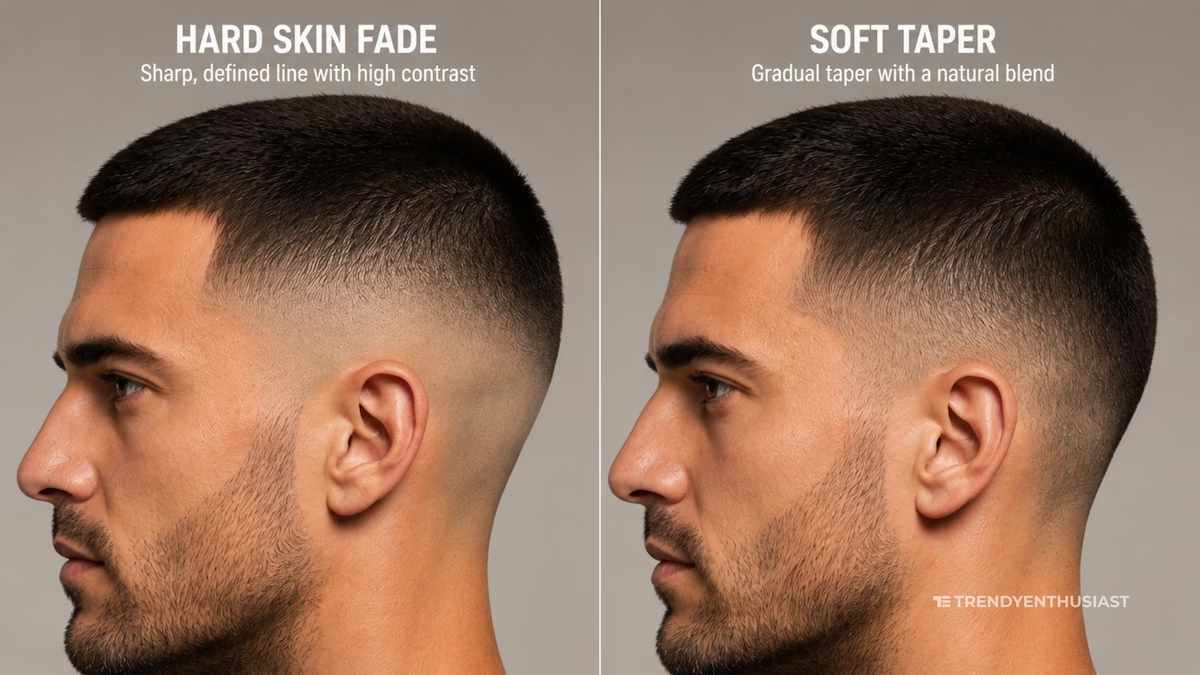
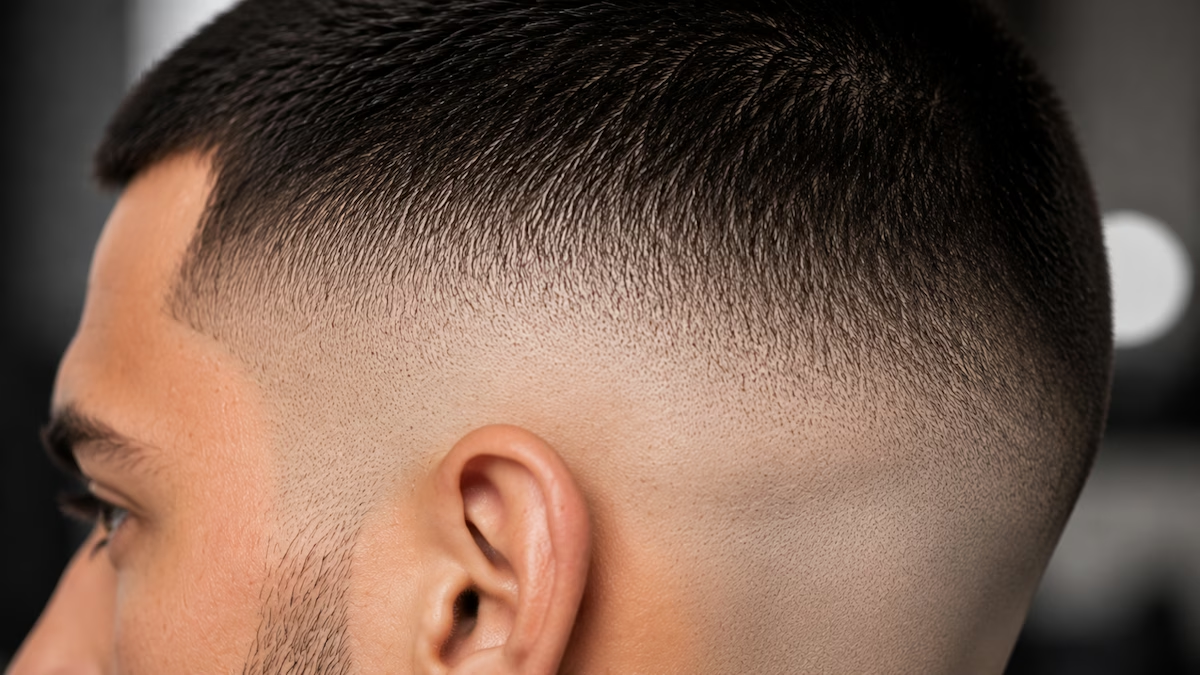
A fade blends from short to skin using clipper guards in small increments, creating a smooth gradient with a defined “blend point” where the shortening begins.
A taperdoes something similar but never goes down to skin, it keeps a longer natural hairline and fades less aggressively, which is why tapers look more traditional and low-key than fades.
Say “fade” when you want visible contrast and a modern finish. Say “taper” when you want the sides shorter without the sharp graduated look a fade creates.
Fade Height
Blend Point
Maintenance
Best For
Low Fade
Just above the ear
3–4 wks
First-time fade wearers, office settings, easiest to grow out
Mid Fade
Temple height
2–3 wks
Most face shapes — the safest, most balanced default
Maximum contrast, most fashion-forward, highest upkeep
Low Fade Buzz Cut
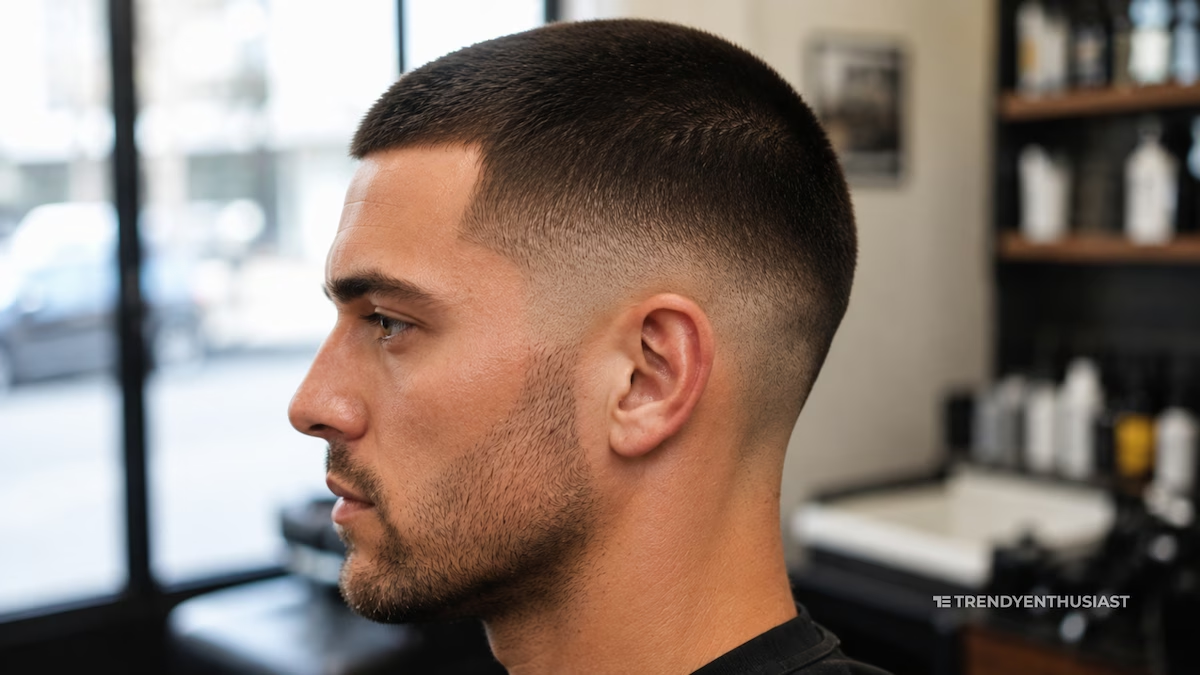
The blend point sits just above the ear, so most of the head keeps its length and only the very bottom of the sides and back taper down. It’s the most subtle fade available and the one that reads as “clean haircut” rather than “buzz cut with a fade” from a distance.
Best for: Office environments, first-time fade wearers, anyone who wants a fade that grows out without an awkward in-between stage Maintenance: Every 3–4 weeks Face shapes it suits: All, it’s the safest fade choice regardless of shape
Mid Fade Buzz Cut
The blend point moves up to roughly temple height, giving noticeably more contrast than a low fade while still staying wearable in professional settings. This is the most requested fade height, and for good reason, it’s versatile enough to suit nearly every face shape and hair type.
Best for: Most face shapes, most lifestyles, the safest “first real fade” if you’re moving up from a low fade Maintenance: Every 2–3 weeks Face shapes it suits: Oval, diamond, and square faces in particular, the added contrast defines the jaw without overwhelming it
High Fade Buzz Cut
The blend point sits well above the ear, closer to the crown, creating sharp contrast between the short top and the faded sides. This is the boldest widely-worn fade height and the one that photographs sharpest, but it grows out fastest and shows regrowth within a week or two.
Best for: Strong, symmetrical head shapes; round faces needing extra vertical contrast; men who don’t mind frequent barber visits Maintenance: Every 1–2 weeks Face shapes it suits: Round faces benefit most, the higher blend point does more to visually lengthen a round face than any other single choice in this guide
Skin Fade Buzz Cut
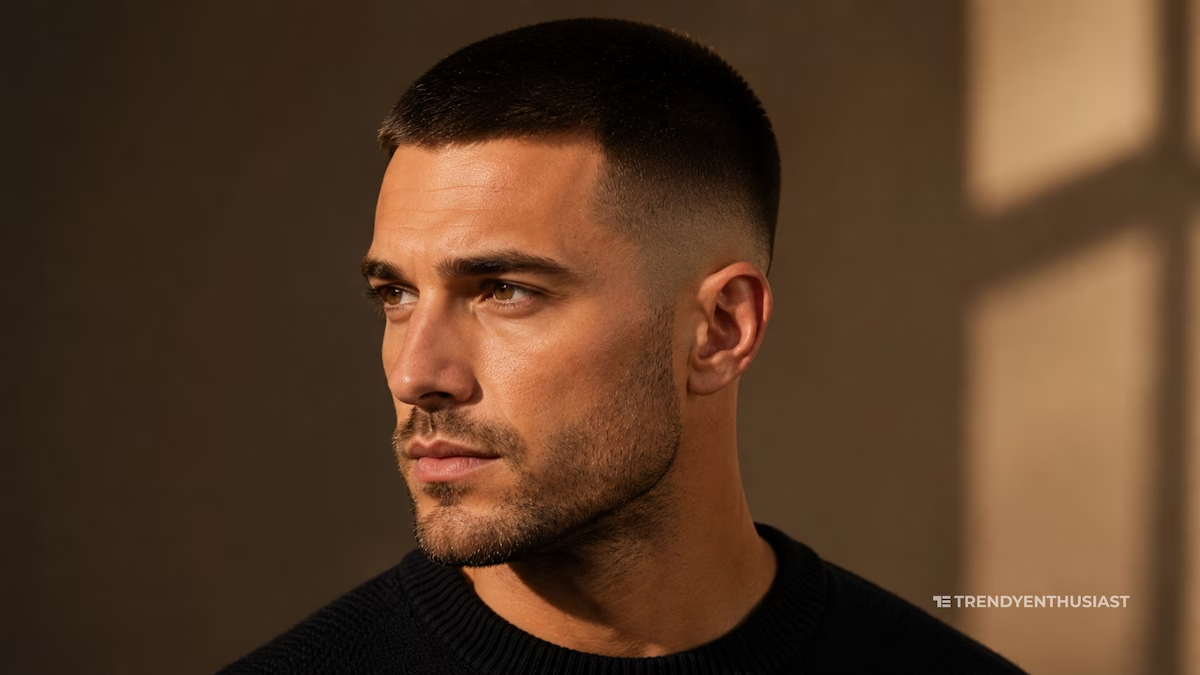
Rather than a specific height, “skin fade” describes how far the fade goes all the way to bare skin, regardless of whether the blend point is low, mid, or high. A buzz cut skin fade is the sharpest possible version of any of the three heights above, and the one search volume shows men want most (skin fade haircut alone runs over 12,000 searches a month).
Best for: Men who want maximum contrast and don’t mind the tightest maintenance schedule of any option here Maintenance: Every 1–2 weeks regardless of blend height, since skin regrowth shows faster than guard-length regrowth Face shapes it suits: Oval and diamond faces handle a skin fade most easily; round and square faces should pair it with a higher blend point for the best balance
Your Vibe
How Do You Want to Come Across?
Sharp, effortless, bold, or classic? The matcher adapts to your style identity.
Burst Fade and Drop Fade: The Two Variations Worth Knowing
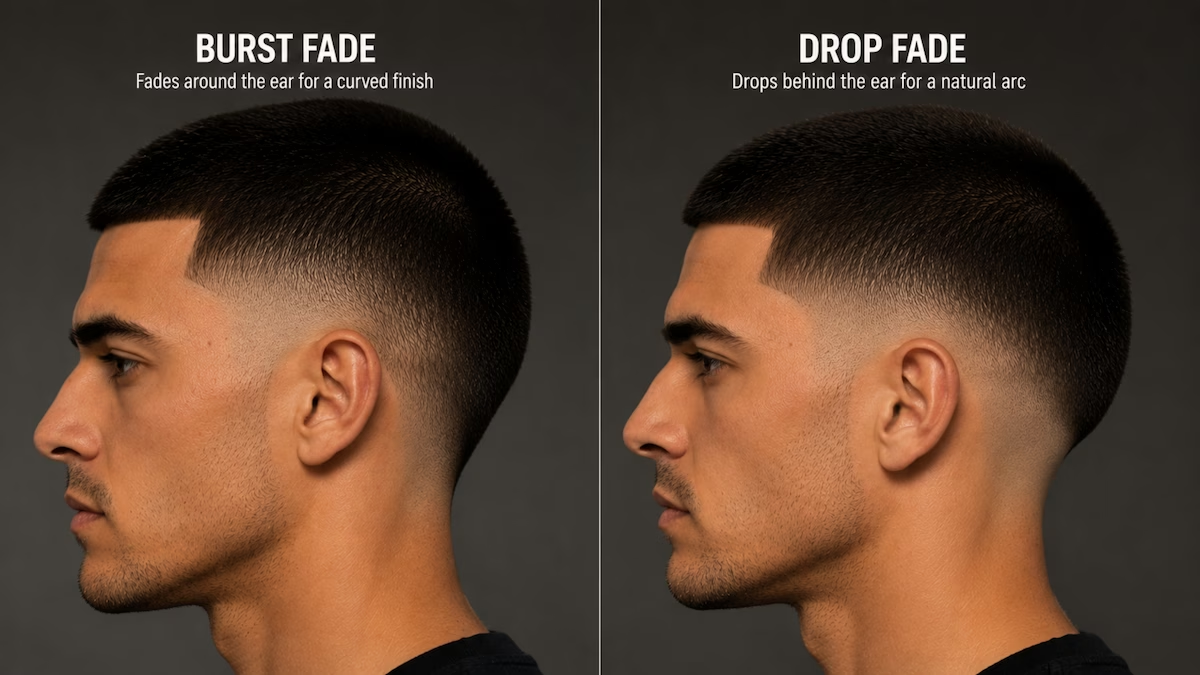
Burst fade curves around the ear rather than running in a straight line, creating a rounded blend that sits mostly behind and above the ear. It’s a common pairing with a buzz cut when there’s a longer section left at the crown, and it looks more natural than a straight-line fade on wavy or curly hair.
Drop fade curves downward toward the back of the head instead of staying level, following the natural curve of the skull. It adds more visual curvature to the cut and is often chosen alongside a taper fade mullet or longer buzz cut rather than a short uniform buzz.
Neither is a separate “height” – both can be applied at a low, mid, or high blend point, and both work well as an upgrade from a standard straight-line fade if you want something that reads as slightly more considered.
Which Fade Height Actually Suits Your Face Shape
Round face → high fade or skin fade. Vertical contrast elongates the face.
Square face → mid fade, avoid skin fade. A hard fade sharpens an already strong jaw.
Oval face → any height works. The most flexible shape for fade choice.
Rectangle face → low fade. Keep the sides subtle so the cut doesn’t add further length.
Diamond face → mid fade. Balances a narrower jaw and forehead without over-narrowing further.
Triangle face → low fade. Keeps focus on volume at the crown rather than adding width at the sides.
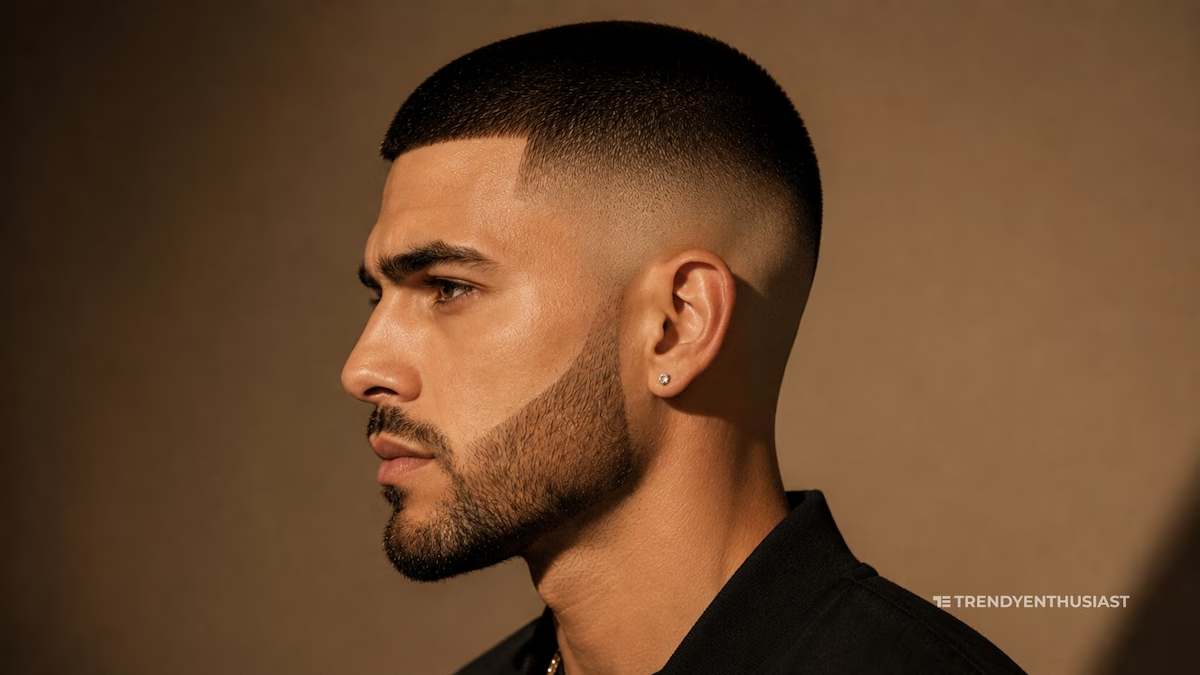
A buzz fade and a beard are one of the most requested combinations at the barbershop, and the fade height changes how the beard should be styled to match. A high or skin fade needs a sharply lined beard to match the contrast on top – a soft, undefined beard looks mismatched against a hard fade line. A low fade pairs more forgivingly with a fuller, less rigidly lined beard, since there’s less contrast up top to match.
Name the height, not just “fade” – “mid fade” or “skin fade starting at the temple” removes any guesswork.
Specify the blend type if relevant – burst fade for curved ear detailing, drop fade for a more natural curve at the back.
Say the word “taper” if you don’t want it going down to skin – this is the single most common miscommunication in the chair.
Mention your maintenance schedule – if you can only get to the barber every 4 weeks, a low fade will look presentable far longer than a high or skin fade will.
Bring a reference photo showing the blend point, since “high” and “mid” mean slightly different things to different barbers.
Barber Ready
Know Exactly What to Say
No more awkward explanations. Get a tailor-made barber brief you can copy and paste.
A fade grows out from the bottom up, which means the blend point is the first thing to blur. Regardless of height, book a maintenance trim before the line between short and long becomes visibly soft, waiting until it’s fully grown out means starting the fade over rather than simply refreshing it.
Low fade: every 3–4 weeks
Mid fade: every 2–3 weeks
High fade: every 1–2 weeks
Skin fade (any height): every 1–2 weeks
Pairing a fresh cut with the right daily hygiene habits is essential; learn how to build a cohesive daily routine in our master Men’s Grooming Guide.
The difference is the blend point where on the head the fade begins. Low starts just above the ear, mid starts at temple height, and high starts well above the ear near the crown. Higher blend points create more contrast and need more frequent maintenance.
A fade blends down to bare skin at some point on the head, creating a sharp, high-contrast finish. A taper shortens gradually without reaching skin, leaving a softer, more traditional finish.
Every 1–2 weeks. Skin regrowth is more visible than guard-length regrowth, so a skin fade needs the most frequent maintenance of any buzz cut variation.
A fade that curves around the ear rather than running in a straight line, creating a rounder blend that tends to look more natural, especially on wavy or curly hair.
Yes. A low fade is one of the most forgiving fade heights for curly or coily hair, since the blend sits close to the hairline and doesn’t require as sharp a line as a high or skin fade would.