Trendy Enthusiast

Easy-Iron vs Non-Iron Shirts: The Difference Nobody Tells You About

Non Iron vs Easy Iron - Casual men's clothing hanging on a rack, featuring a white graphic sweatshirt, black T-shirt, gray hoodie, and blue plaid shirt.

Let’s be honest, when you first hear the words non-iron shirts, it sounds like a fairy tale. Wash, dry, put on, and walk out the door looking crisp without ever touching an iron or ironing board, no wrestling with a steamer, no last-minute panic before an important meeting. And they really do exist but there is a catch, actually several pitfalls, and that is where most people get it wrong.

Easy-iron shirts sit in a similar space, promising less effort and lighter maintenance, but they come with their own set of advantages and trade-offs worth knowing before buying. 

This buying guide cuts through the noise, explaining what both actually mean, what the fabric is doing behind the scenes, and how to find the right shirt for the way a person actually lives.

Non-Iron vs Easy-Iron

What Does “Easy-Iron” Really Mean?

Made from cotton or cotton-blend fabrics with a light wrinkle-resistant finish, the creases fall out much faster than on a regular cotton or standard cotton shirt even when wrinkled. You still need to press them, but a quick ironing session or a pass of steam is usually enough to get things smooth around the collar and cuffs, and the pressing effort is minimal.

For professionals who enjoy the texture of cotton but want something easier to maintain, the easy-care label is worth looking for; just know that unlike true non-iron shirts, these are not designed to come straight out of the dryer looking sharp. Your care routine ultimately decides the final outcome, and that wrinkle-free result is always worth it.

What Are Non-Iron Shirts?

The first time I came across non-iron shirts, it honestly sounded like a fairy tale but they genuinely exist, and the science behind them is straightforward. During manufacturing, the fabric goes through an advanced finishing process where cotton is chemically treated with a wrinkle-resistant treatment that works into the weave and thickness, giving the shirt its wrinkling recovery ability.

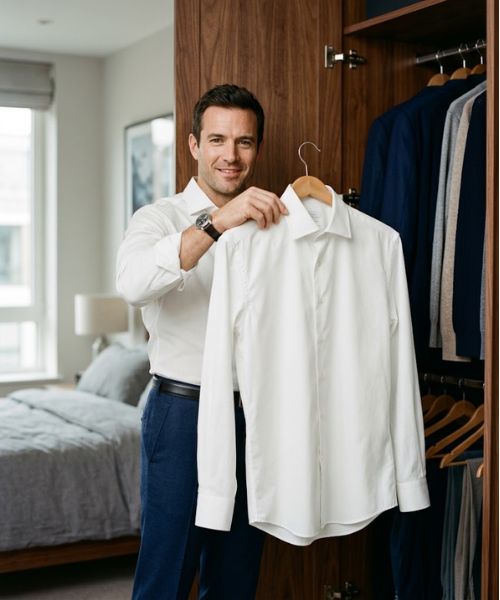
Unlike untreated cotton, a properly designed dress shirt with this fabric treatment can be washed, air-dried, pulled off the hanger, and worn immediately collar sharp, placket flat, structured crisp look intact through longer hours with no iron, ironing board, or pressing required.

Pros and Cons of Easy-Iron & Non-Iron Shirts

Have a look at some advanatges and disadvantages of easy-iron and non-iron shirts:

Easy-Iron Shirts

Made from untreated cotton, easy-iron shirts offer a completely different experience.

What Makes Them Better;

• Naturally breathable and soft

• More relaxed and natural drape

• Available in multiple fabrics: Oxford, Poplin, Twill, Linen

• Maintain fabric quality longer over time

The Trade-Off: Time & Effort

The biggest downside? Maintenance.

• Requires regular ironing

• Needs time, effort, or outsourcing

• Long-term cost increases if outsourced

However, when ironed properly, the result is undeniably sharper and more tailored—a true shirtmaker-level finish.

Why Non-Iron Shirts Are So Popular

When you factor in the time and cost savings, the value becomes even clearer:

• Around 5 minutes saved per shirt on ironing

• Reduced or eliminated outsourcing costs

• Lower effort across washing, drying, and maintenance

Over time, a quality non-iron shirt can pay for itself within months if worn regularly.

Downsides of Non-Iron Shirts

That convenience doesn’t come without trade-offs.

• Chemical treatment is used during production

• May cause mild skin irritation for sensitive users

• Slightly stiffer or less breathable feel

While modern treatments are generally safe, it’s still something to consider especially if you have sensitive skin or allergies.

Can You Iron a Non-Iron Shirt?

Yes, but with conditions, and with less heat than you would use on a standard cotton shirt.

Non-iron shirts are treated with a wrinkle-resistant chemical finish applied to the cotton during manufacturing. That finish is effective at keeping the shirt smooth through normal wear and washing, but it is sensitive to high direct heat. Pressing a non-iron shirt at the same temperature you would use on untreated cotton (200°C and above) will degrade the treatment permanently. The shirt will no longer resist creases, the fabric may develop a sheen, and the damage cannot be reversed.

If your non-iron shirt still creases after washing and needs pressing, follow these rules:

Temperature: Set the iron to medium or medium-low – no higher than 150°C. The lower heat is sufficient because the treatment has already done most of the work; you are removing residual creases, not pressing a fully wrinkled shirt.

Steam: Use minimal steam or none. The chemical finish responds to heat rather than moisture, and excess steam at a low temperature can leave watermarks on some finishes.

Pressing cloth: Place a thin cotton pressing cloth between the iron and the shirt surface. This protects the finish from direct contact with the iron plate and prevents any risk of sheen on lighter-coloured fabrics.

Best alternative: For a non-iron shirt that still creases, steam is more effective and safer than a flat iron. A handheld garment steamer or the bathroom shower method removes most residual creases without any risk to the fabric treatment. See the full guide on getting a wrinkle-free shirt without an iron for the exact technique.

The short answer: yes, you can iron a non-iron shirt. Use low heat, a pressing cloth, and minimal steam and consider whether steam alone would do the job first.

What Makes a Good Easy-Iron & Non-Iron Shirt

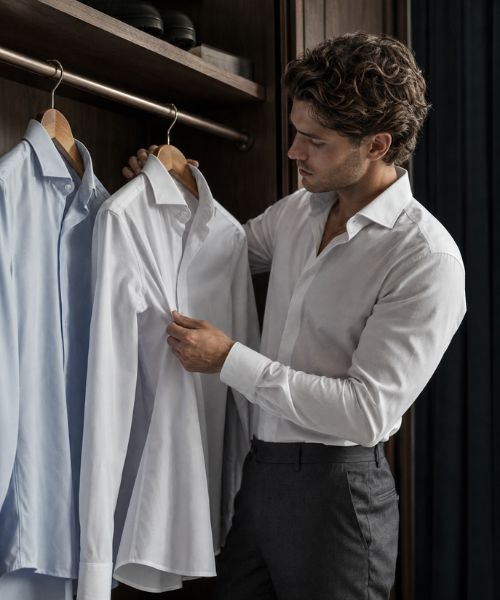
A great non-iron shirt is defined by real performance, not marketing claims. Focus on a strong collar for a sharp look, a smooth and breathable fabric feel (never stiff or coated), and a proper fit, since wrinkle resistance won’t fix bad sizing. Lighter colors like white and blue hide creases better, while clear claims like wash, dry, hang, wear matter more than vague labels. In the end, quality construction and honest user reviews are the true indicators of whether it actually works.

A good easy-iron shirt is about how well it presses and wears over time. Look for high-quality cotton, a structured collar, and a clean fit, as these define the final look after ironing. Fabric weaves like poplin feel crisp, while Oxford and twill offer a more relaxed finish. Unlike non-iron options, the strength here is natural comfort and long-term softness, making the best choice one that irons easily, holds shape, and feels breathable all day.

Who Should Choose Non-Iron And Who Should Choose Easy-Iron

Non-Iron makes the most sense for people who value speed and reliability. If you are a busy professional who wears dress shirts often, travels frequently and needs shirts that behave straight out of a suitcase, or simply dislike ironing enough to avoid dress shirts altogether, non-iron is the strong choice for you.

Easy-Iron, on the other hand, works beautifully for people who want improvement without sacrificing the feel of classic cotton, those who wear dress shirts a few times a month, are perfectly fine with a quick steam before big meetings, or are buyers who prioritize breathability and softness over maximum wrinkle resistance.

In other words, non-iron is about eliminating the chore entirely. Easy-care is simply about reducing it.

Conclusion: The end of the debate

At the end of the day, a non-iron dress shirt is designed to stay smooth with minimal effort, while an easy-iron shirt is designed to wrinkle less than normal and press more easily and honestly, that distinction alone clears up most of the confusion.

The best choice comes down to what your day actually demands.If your goal is to reduce friction and get dressed faster without thinking twice about it, non-iron is simply the better tool for the job. If you prefer a more natural cotton feel with lighter maintenance and don’t mind a little effort, easy-iron is often enough to keep you looking sharp.

For the complete technique on ironing any dress shirt correctly – including temperature settings by fabric and the exact section-by-section sequence – read How to Iron a Dress Shirt: The Correct Order and Technique. And if you find yourself without an iron entirely, the practical guide on getting a wrinkle-free shirt without an iron covers every reliable method from the bathroom steam technique to the hair dryer approach.

FAQ

From my experience, the real difference becomes obvious during a busy morning; easy iron shirts still need ironing, but they’re designed to make life easier by using cotton or cotton-blend fabrics with a wrinkle-resistant finish, which means creases don’t stick around for long and go smooth much faster than on regular cotton shirts. A lightly wrinkled shirt, for example, can be ready in just a few minutes with a quick press, whereas non-iron options skip this step entirely but often feel different on the skin.

In simple terms, easy iron, easy care, and no iron are often used interchangeably, and most people won’t notice real differences between an easy iron shirt and a no iron shirt, since both types of shirts share similar characteristics thanks to a special fabric treatment known as finishing, which is what gives them their low-maintenance appeal.

From what I’ve seen, non-iron shirts live up to the hype when you need something effortless; a good shirt comes out ready to wear right after being washed and dried, staying crisp through a full day of wear without visible wrinkles or creases, which keeps your overall look sharp so you feel confident and smart without dealing with the usual ironing task.

Even the best non-iron fabric is still fabric, so if you crush it, overdry it, leave it in a heap, or pack it poorly, it can still wrinkle. The real difference is that a good non-iron shirt tends to bounce back much faster with minimal effort compared to regular shirts.
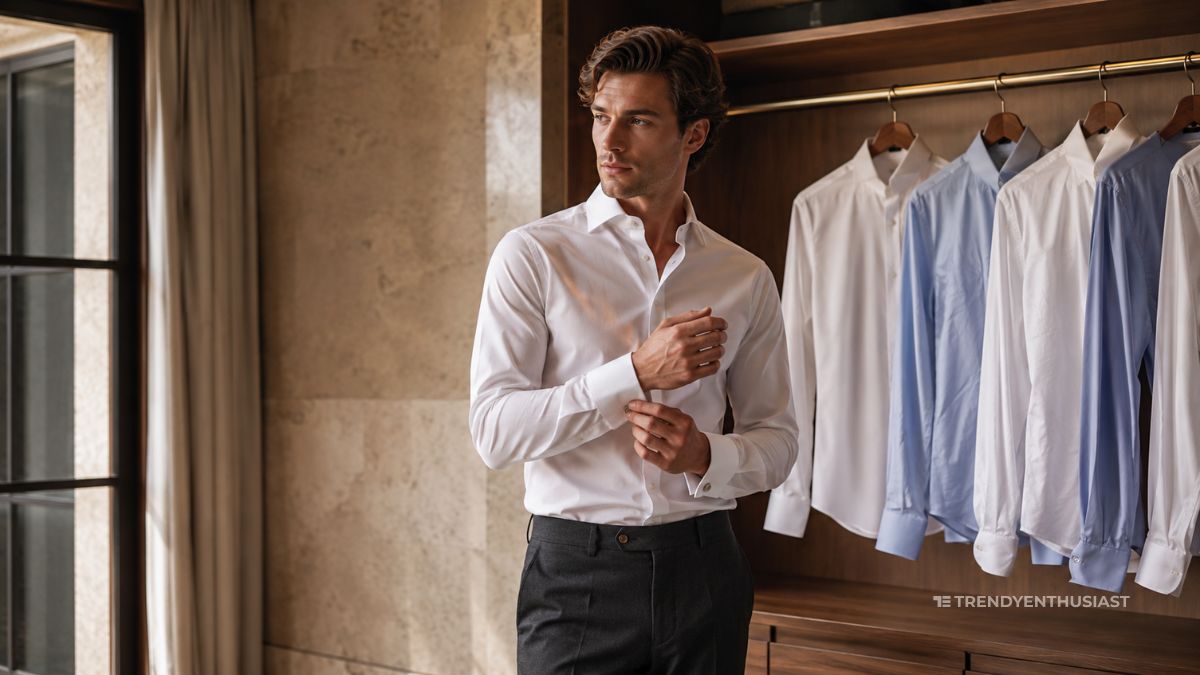
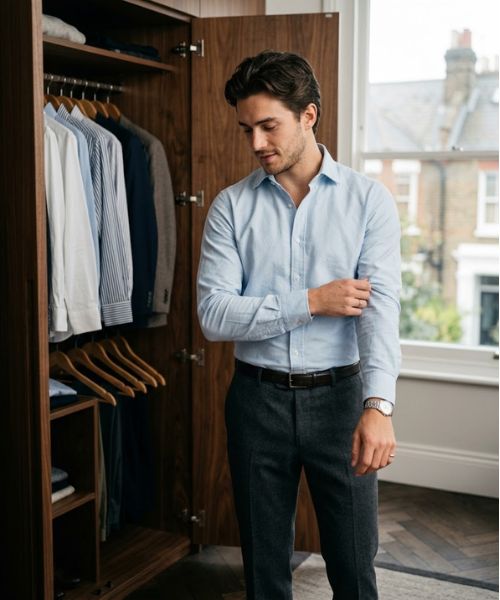
Some non-iron shirts are designed so you can skip the iron completely, meaning the shirts can be worn almost immediately after washing and drying, which makes them perfect for people who want to avoid the ironing board and just grab a clean shirt and wear it in bulk rotation without spending time on ironed garments.


Ali Taimour

Ali Taimour

Founder and Editor of Trendy Enthusiast. Ali covers men's fashion, lifestyle, grooming, and the art of dining well - blending real experience with practical insight.

Connect on Instagram
Shopping Basket