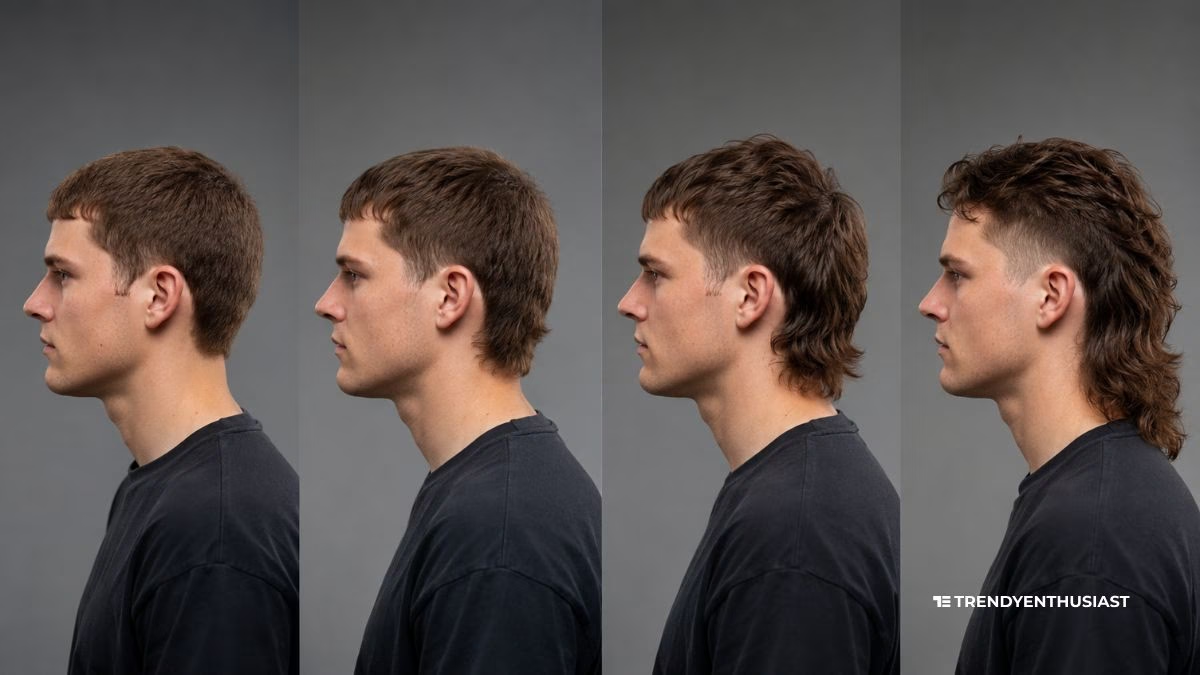
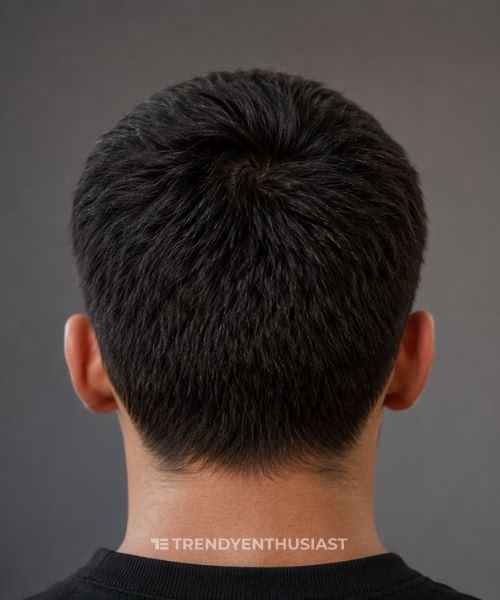
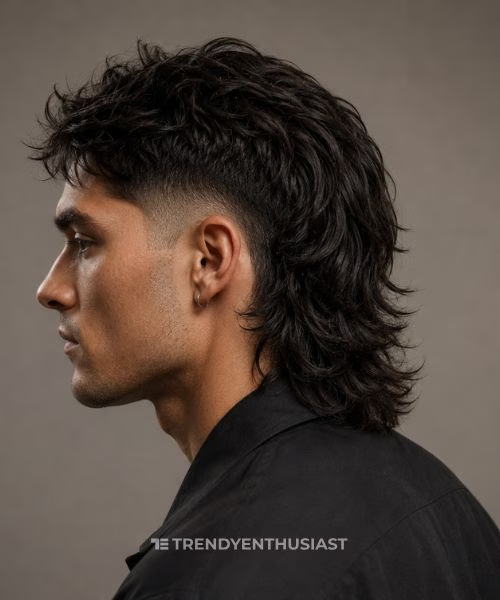
Growing a mullet from a shorter, all-one-length cut typically takes three to six months to reach a proper mullet silhouette.
Hair grows at an average rate of about half an inch to one inch per month and the back needs a real, visible length difference from the front and sides to read as a mullet at all.
If you know how to grow a mullet and Want to see the finished styles you’re growing toward first? Check the Modern Mullet guide.
How Long Does It Take to Grow a Mullet?
Timeframe
What's Happening
What To Do
Weeks 1-4
Minimal visible change
Leave the back untouched, tidy sides only
Months 1-2
Back gains length, sides look unbalanced
Light shaping on crown and sides
Months 2-4
Length difference clearly visible
Maintain taper or fade on sides
Months 4-6
Full mullet shape achieved
Barber shapes final layering and texture
If you’re starting from hair that’s already got some length (a couple of inches all over, rather than a fresh buzz cut) you can usually cut that timeline down significantly, since you’re not waiting for length to exist in the first place, just for the back to outpace the front and sides.
The Growth Stages, Explained
Weeks 1-4: Early growth
Not much changes visually yet. This is the stage to be patient rather than impatient: keep the sides and front tidy with light trims if needed, but leave the back alone completely. Cutting it now just resets the clock.
Months 1-2: The awkward phase begins
The back starts gaining noticeable length while the sides and crown can start to look slightly unbalanced against it. This is normal, not a sign you’re doing it wrong.
Light shaping around the crown and sides helps control bulk without touching the back’s progress.
Months 2-4: Shape starts to emerge
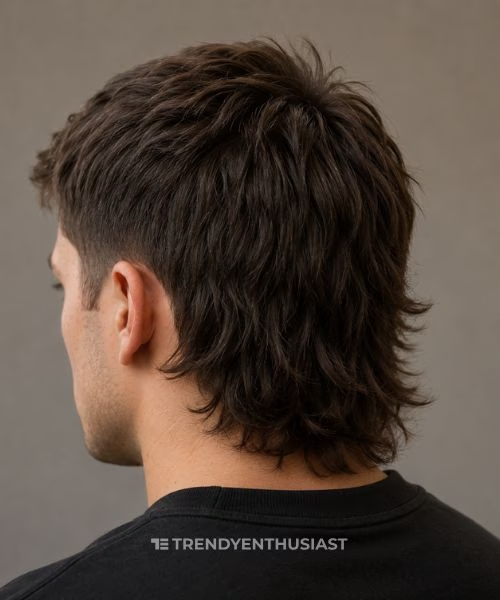
The length difference becomes clearly visible. The back shows real, noticeable length while the sides stay controlled with a taper or fade.
The crown gains volume, which actually makes styling easier at this stage, not harder.
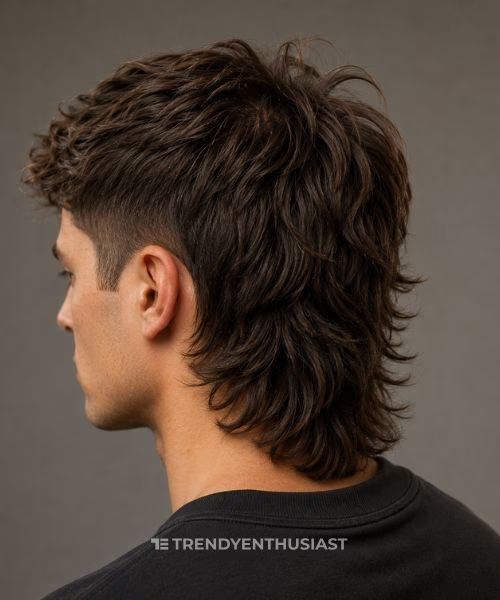
Months 4-6: The mullet takes full shape
At this point most men have enough length at the back to work with a barber on shaping the final silhouette i.e layering, texture, and a defined transition between the short front/sides and the long back.
The Groomed Man
Which Hairstyle Suits You?
7 questions. Get a personalised barber brief, product picks, and styles to avoi. No sign-up.
The biggest mistake during grow-out is treating it as pure waiting. Trim every six to eight weeks around the perimeter while the layers and face-framing pieces grow out underneath.
If the in-between stage is bothering you, a shag cut is a genuinely useful bridge style. It has the same general layered, textured philosophy as a mullet.
How to Style a Mullet While It Grows
Styling needs change as the length changes, but a few things hold true at every stage:
Keep the sides and front textured, not flat. Even short hair benefits from a small amount of texture clay or matte paste worked through with fingers, which keeps the shorter sections from looking neglected next to the growing back.
Use sea salt spray on the back once there’s length to work with. It adds texture and a lived-in look rather than letting longer hair lie flat and stringy.
Blow-dry with direction, lifting at the crown for volume rather than letting hair fall wherever gravity takes it, this single habit is what makes a growing mullet look deliberate instead of accidental.
Get the sides and front trimmed on a regular schedule even though the back is growing, a mullet mid-growth still needs the short sections maintained, or the whole silhouette starts to look like general neglect rather than a specific style in progress.
Tips to Support Healthy Growth
Hair grows at roughly the same rate for most people regardless of styling but overall hair health affects how good that growth looks once it’s there.
A balanced diet, adequate hydration, and avoiding excessive heat styling on the lengthening back all help the hair that’s growing in look healthier rather than damaged or prone to breakage, which matters more for a mullet.
Most men need three to six months to grow a proper mullet silhouette from a shorter starting cut, since hair grows at roughly half an inch to one inch per month and the back needs a clearly visible length advantage over the front and sides.
A trim every six to eight weeks around the perimeter — the longest sections — helps keep the cut looking intentional while the underlying length continues to build, rather than letting everything grow untouched.
Keep the sides and front lightly shaped and trimmed on a normal schedule, leave the back completely alone, and consider a shag cut as a bridge style if the in-between stage bothers you visually.
Curly and coily hair can take visually longer to show length due to shrinkage, even though the actual growth rate is similar to straight hair. Straight hair shows length gain more immediately.
Hair growth rate is largely genetic and can’t be significantly accelerated, but a balanced diet, good hydration, and minimizing heat damage help ensure the hair that grows in looks its healthiest.
Starting from hair that already has some length cuts the timeline down significantly, since you’re only waiting for the back to outpace the front and sides rather than waiting for length to exist in the first place.