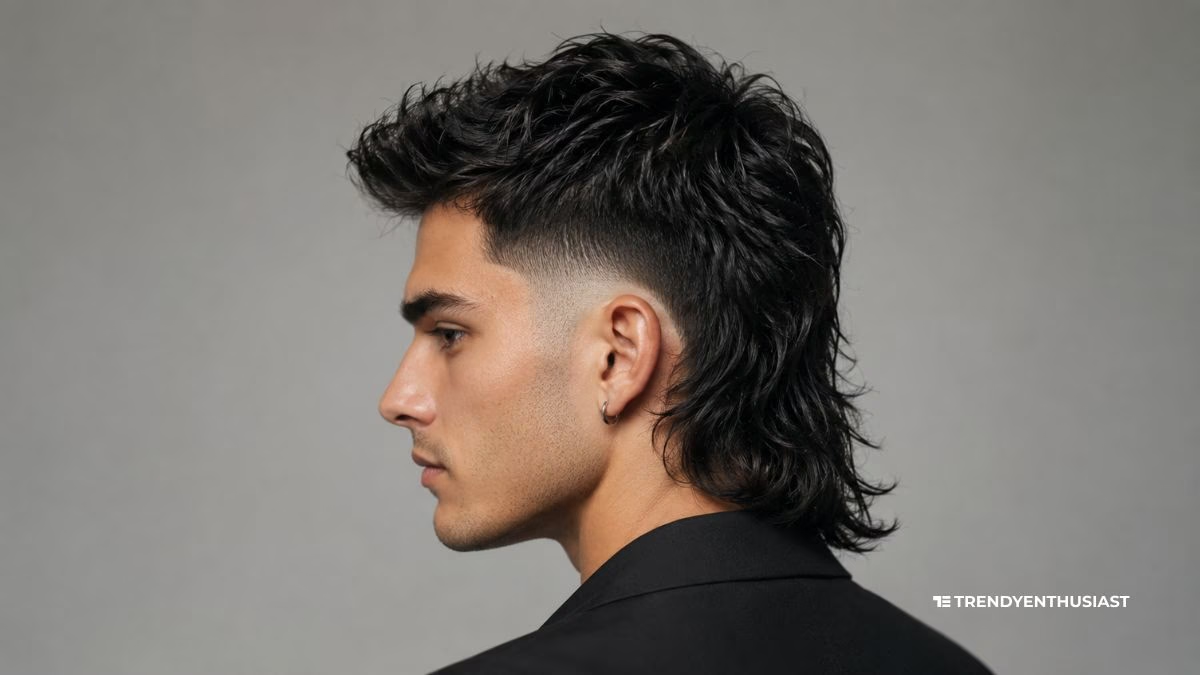
Seven questions. One precise recommendation. The exact words to say to your barber.
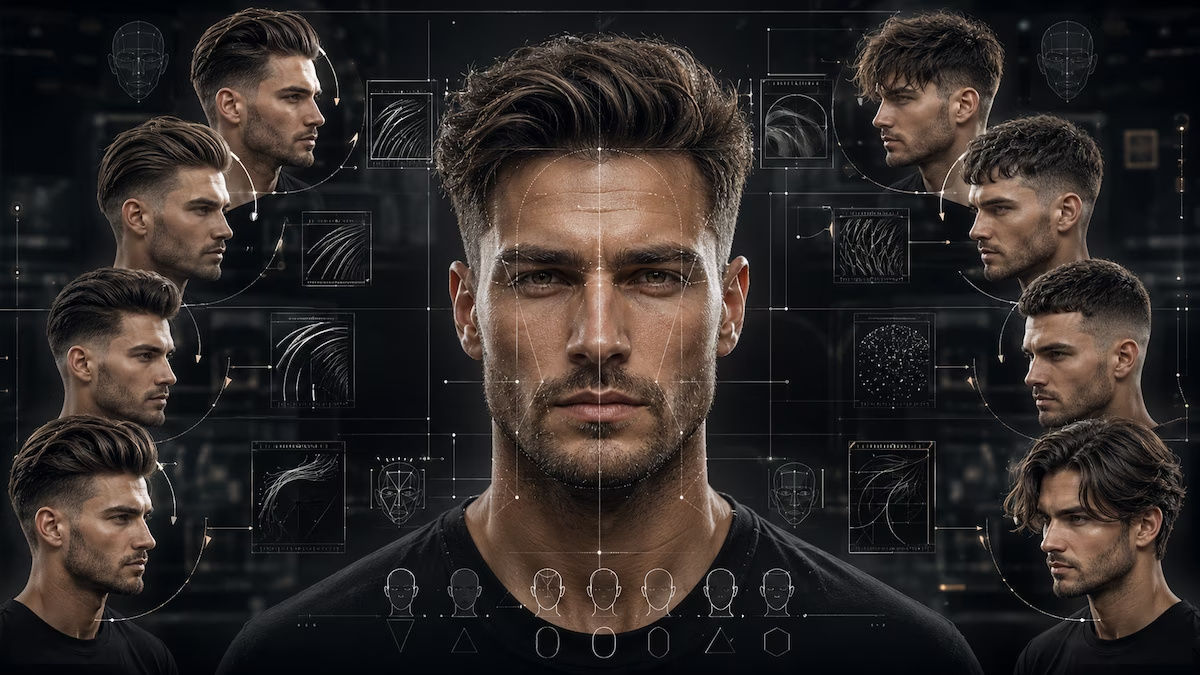
The right hairstyle for a man depends on four things: face shape, hair texture, density, and the life he actually lives. Most hairstyle guides match you to a style based on face shape alone, which is why most men leave the barber chair with something that looked right in a photo but feels wrong in real life. This tool takes all four factors into account, along with your maintenance preference and style identity, and produces a precise, named recommendation. The output includes the exact words to say to your barber, the one product you need, what to avoid for your face shape, and two alternatives worth considering. No photo required. No account needed. Takes 90 seconds. Works for every hair type, from straight to coily, and every face shape from oval to triangle.
Face shape is the foundation of every hairstyle recommendation but it is only the foundation. The relationship between face shape and haircut works on a simple principle: use the hairstyle to balance the proportions of the face. A round face benefits from vertical height that adds length. A square face benefits from texture and volume on top that softens the angular jaw. An oblong face benefits from width across the sides that reduces the perceived length. The shape of the cut counterbalances the shape of the face.
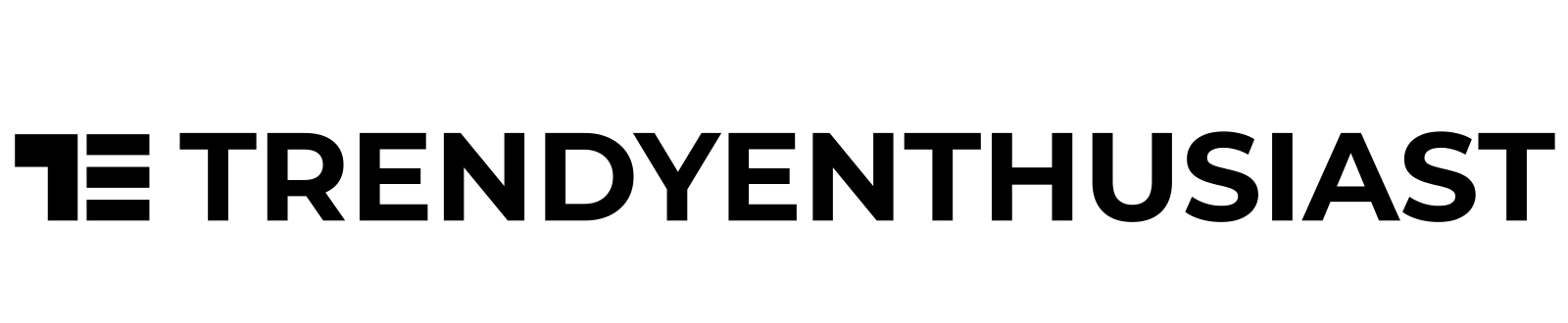
There are seven male face shapes. Most men have a primary shape with elements of a secondary one, which is why a tool that considers additional inputs i.e hair texture, density, maintenance & produces a more accurate result than any single-variable guide.
An oval face is slightly longer than it is wide, with a forehead marginally broader than the jaw and a gently rounded chin. It is the most proportionally balanced shape and the most versatile in terms of hairstyle compatibility. Almost any cut works on an oval face, the decision becomes about hair texture and lifestyle rather than face shape correction. The main styles to avoid are those that disrupt the natural balance: extreme all-over volume that adds width, or very flat crops that remove all proportion from the profile.
A square face has a strong, angular jawline roughly as wide as the forehead, with a sharp jaw angle rather than a curved one. The goal with a square face is to add vertical height that draws the eye upward and softens the jaw angle. Textured styles with volume on top i.e a quiff, a textured crop, a messy side part work well. The key is keeping the sides shorter than the top to create contrast. Avoid very short all-over cuts that expose the full jaw width, and avoid flat-top styles that reinforce the horizontal line of the jaw.
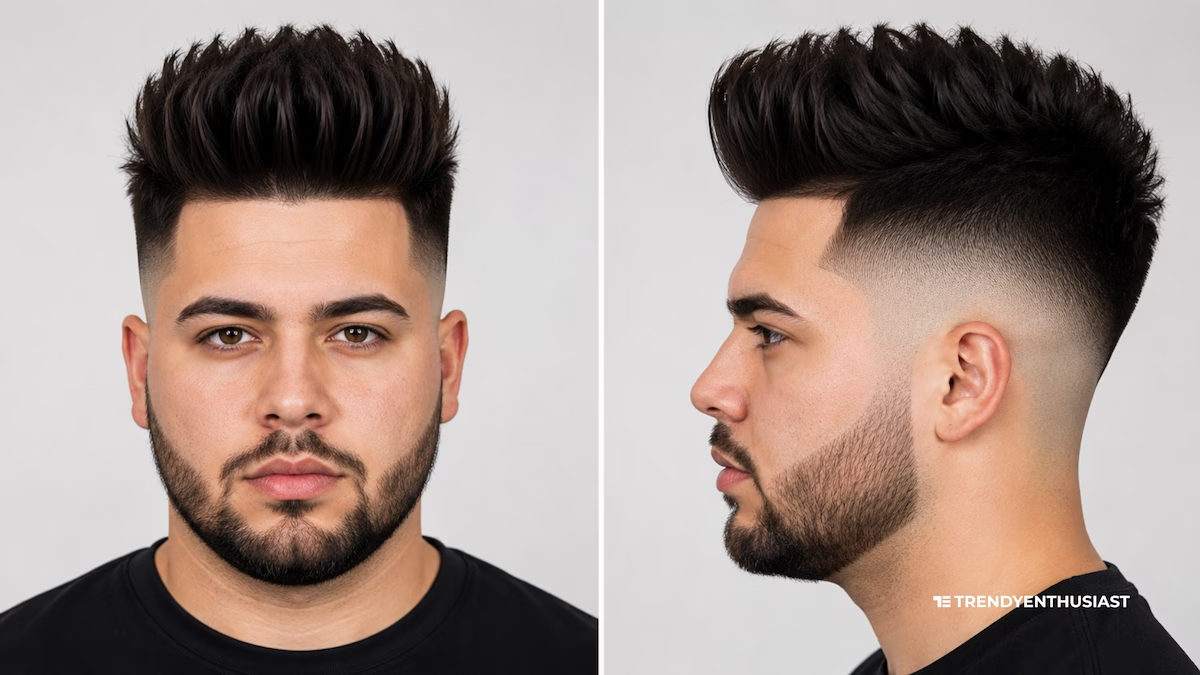
A round face has width and length that are nearly equal, with soft curves at the jaw and no sharp angles. The styling objective is to add the illusion of length and reduce perceived width. Height on top is everything i.e a quiff, a high textured crop, or a pompadour elongates the face visually. Keep the sides tight with a fade to reduce width. Avoid bowl cuts, middle parts, and any style that adds volume to the sides. The round face benefits most from contrast: tight sides, significant height on top.
An oblong face is noticeably longer than it is wide, with forehead, cheeks, and jaw of roughly equal width. The styling objective is the opposite of the round face i.e add width across the sides, avoid height that increases the perceived length. A French crop, a textured style with horizontal movement, curtains, or a style that sits full on the sides works well. Avoid high quiffs, pompadours, and any style that adds vertical height. The oblong face is the one face shape where a shorter top and fuller sides is genuinely the correct approach.
A diamond face is widest at the cheekbones with a narrow forehead and a narrow, pointed chin. The styling objective is to add width at the forehead and chin while not amplifying the cheekbone width. Styles with a fringe or curtains that add visual width across the forehead work well. Avoid very tight sides with no top volume, which emphasises the narrow forehead, and avoid styles that sit extremely wide at the cheekbone level. This face shape suits a slightly fuller, more natural style rather than a close-cropped cut.
A heart face has a wide forehead, prominent cheekbones, and a narrow, pointed chin often with a visible widow’s peak. The styling objective is to reduce the visual width of the forehead and add width at the chin. Styles that sit off the forehead and allow movement at the sides i.e a side part, curtains, a textured fringe pushed to one side work well. Avoid centre parts that emphasise the widow’s peak and avoid styles with heavy volume directly on top of the head that amplify the already-wide forehead.
A triangle face has a narrow forehead that widens significantly toward a broad jaw, the inverse of a heart shape. The styling objective is to add width and volume at the top to balance the wide jaw below. A quiff, a textured crop with height, or any style with significant volume on top works well. Avoid very short sides with a flat top, which draws attention to the jaw width. This face shape benefits most from the approach most men instinctively resist: deliberately adding visual weight where the face is naturally narrow.
Face shape tells you the direction. Hair texture tells you how far you can go and which route to take. Two men with identical face shapes but different hair textures will suit different cuts. A round-faced man with straight hair benefits from a high quiff held in place with matte clay. A round-faced man with tight coils benefits from a shaped natural top with a taper achieving the same vertical effect through a completely different mechanism.
Straight hair falls flat with minimal natural movement. It has less natural volume than wavy or curly hair, which means styles that require volume need product or blow-dry technique to achieve it. Straight hair suits precision cuts that emphasise clean lines: the classic side part, the sharp quiff, the textured crop with point-cut ends. It is the most product-dependent texture, the right styling product makes the difference between the cut looking intentional and looking like it simply hasn’t been styled.
Wavy hair sits between straight and curly, it has natural movement and some volume, but not the defined structure of a curl. It is arguably the most versatile texture for men’s hairstyling because it responds to both structured and natural approaches. Wavy hair can be blow-dried smooth into a side part, encouraged into a quiff, or left to fall naturally into a French crop or curtains. The French approach to grooming almost always belongs to a man with wavy hair.
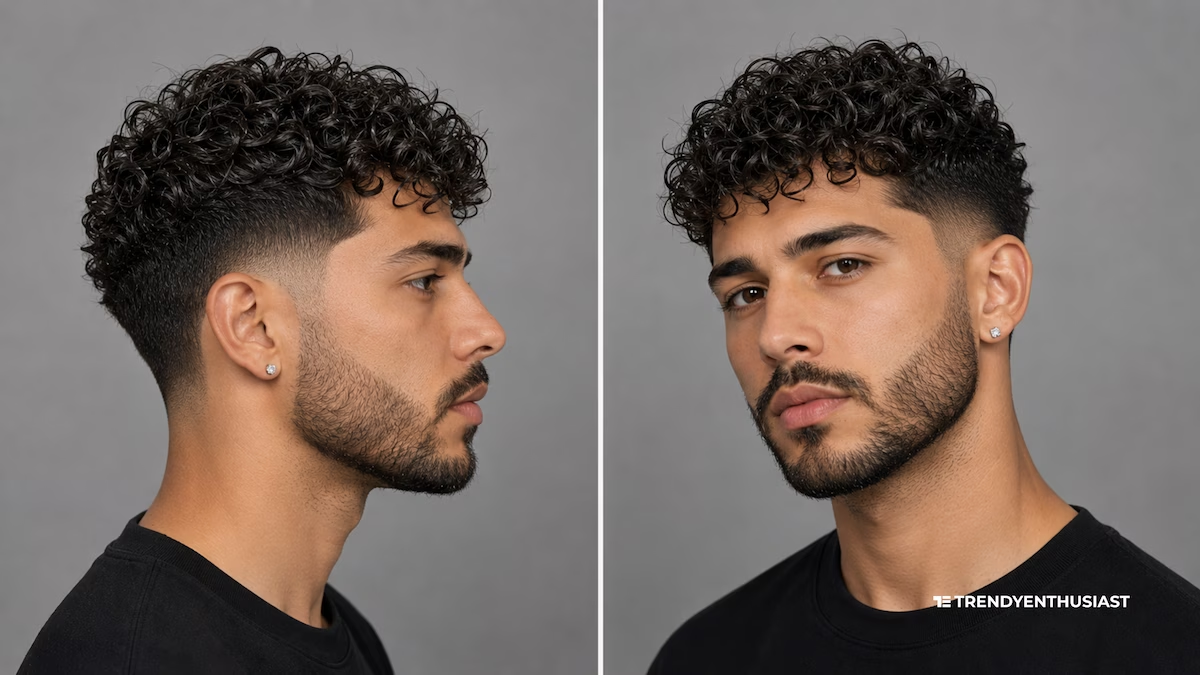
Curly hair has defined curl patterns and significant natural volume. It does not behave like straight hair under the same products and techniques and attempts to style it as if it were straight are both damaging and futile. Curly hair suits styles that work with the natural pattern: defined curly crops, shaped natural tops, textured fades where the curl does the work on top. The cardinal rule: style on very wet hair, always. Curly hair styled dry produces frizz, not a hairstyle.
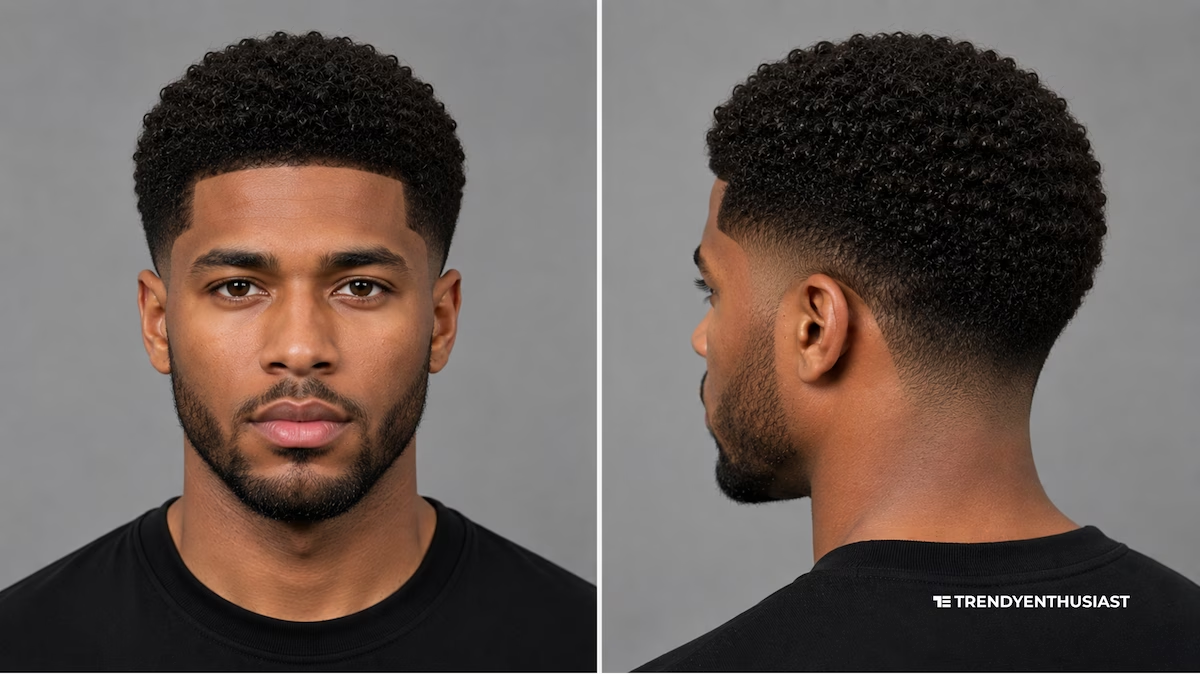
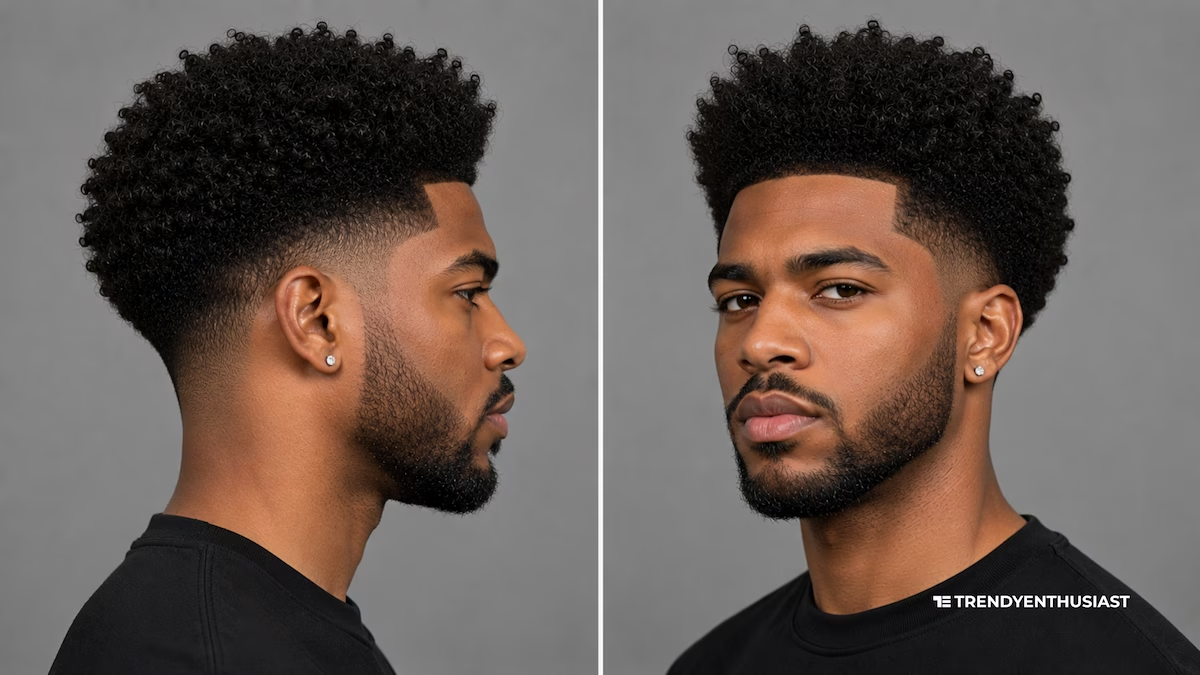
Coily hair has the tightest natural curl pattern and the most significant natural volume. It is also the most moisture-dependent texture without hydration, coily hair dries and breaks rather than holding shape. Coily hair suits clean tapers and fades where the structured sides contrast with the natural texture on top, as well as shaped natural styles where the coil pattern is defined rather than cut away. The grooming stack for coily hair is more involved than for other textures, but the result is one of the most distinctive and commanding looks in men’s grooming.
The single most common reason a man walks out of a barber’s chair looking sharp and looks average four days later is this: he was given a style that requires 12 minutes of morning effort and he actually has 3. The gap between the hairstyle men want and the hairstyle men will realistically maintain is where most grooming decisions fail.
A wash-and-go man needs a cut that looks intentional with zero effort. A French crop, a clean taper, a short textured style. A man who spends 10–15 minutes on his hair each morning can carry a high quiff, a defined wavy style, or anything that needs a blow-dryer. The tool above asks this question directly. Answer it honestly. The best hairstyle for you is the one you will actually maintain, not the one that looked best in the photo.
Each style below is mapped to the face shapes and hair types it suits. Use this as a reference alongside the tool result above.
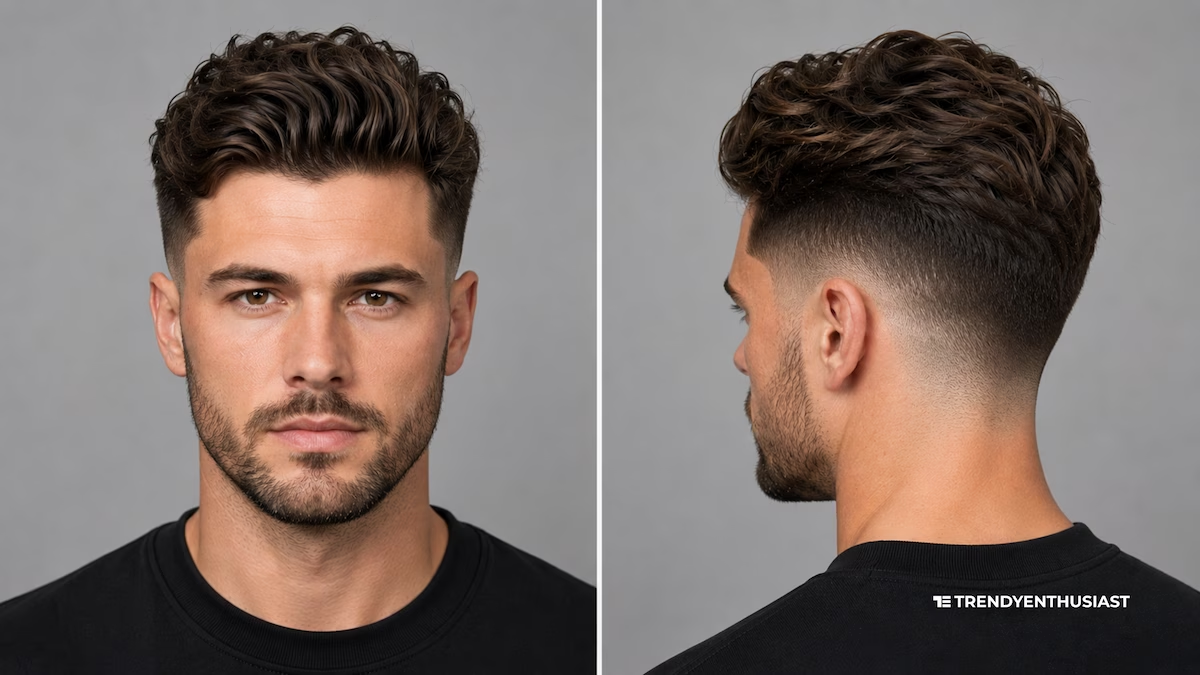
The quiff is a sweep of hair pushed upward and forward from the forehead. It comes in multiple variations – the classic quiff (smooth, structured), the textured quiff (dishevelled on top, tight fade on the sides), and the high quiff (maximum volume, significant height). The quiff is most flattering on round, square, and triangle face shapes because it adds vertical height that counterbalances width. It suits straight and wavy hair best; it requires a mid or skin fade on the sides and matte clay or strong pomade to hold.
Read our full guide: Quiff Hairstyle for Men
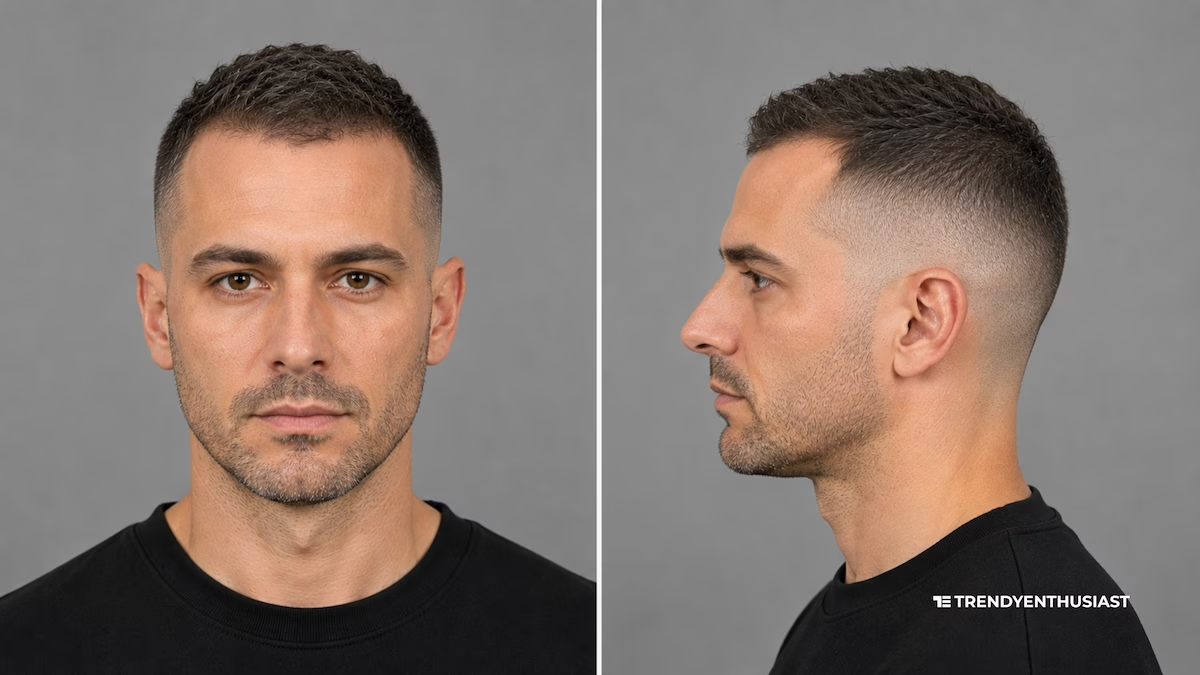
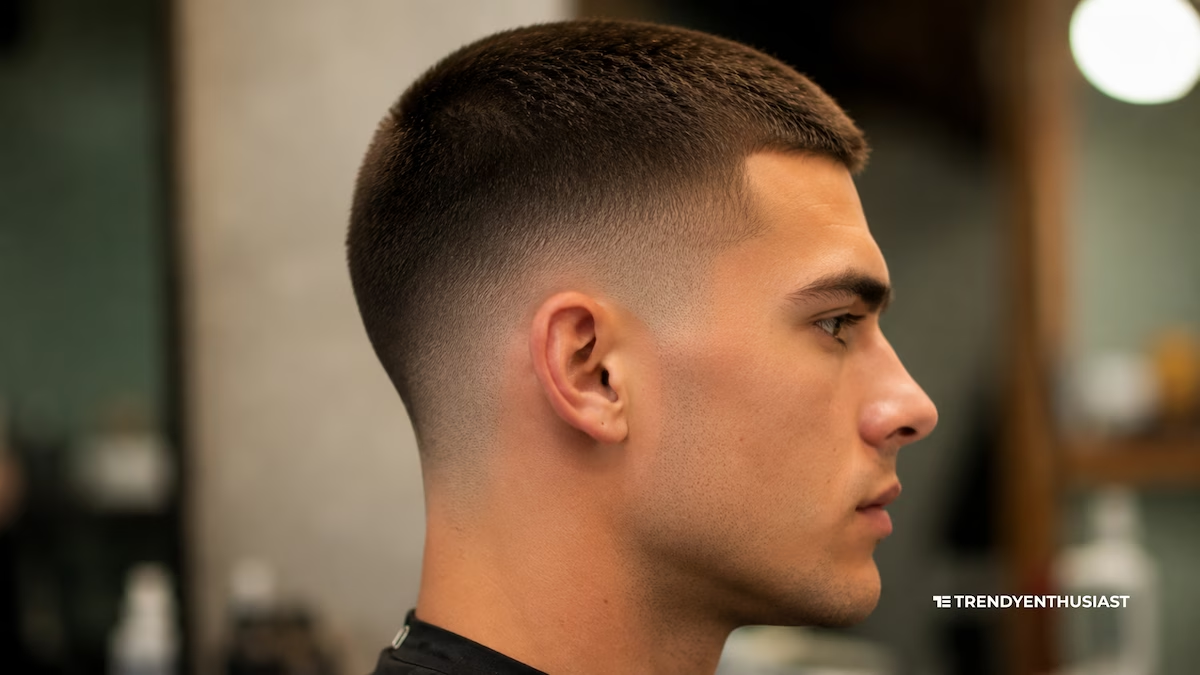
A taper is a gradual reduction in hair length from top to sides and back, the longer hair blends naturally into shorter hair without a hard line. A fade is a more dramatic version: the hair is cut very close (sometimes to the skin) at the sides and blends upward. Low tapers suit formal and business environments; high skin fades suit bolder, more creative contexts. The taper and fade suit almost every face shape, the variation is in how dramatic the contrast should be.
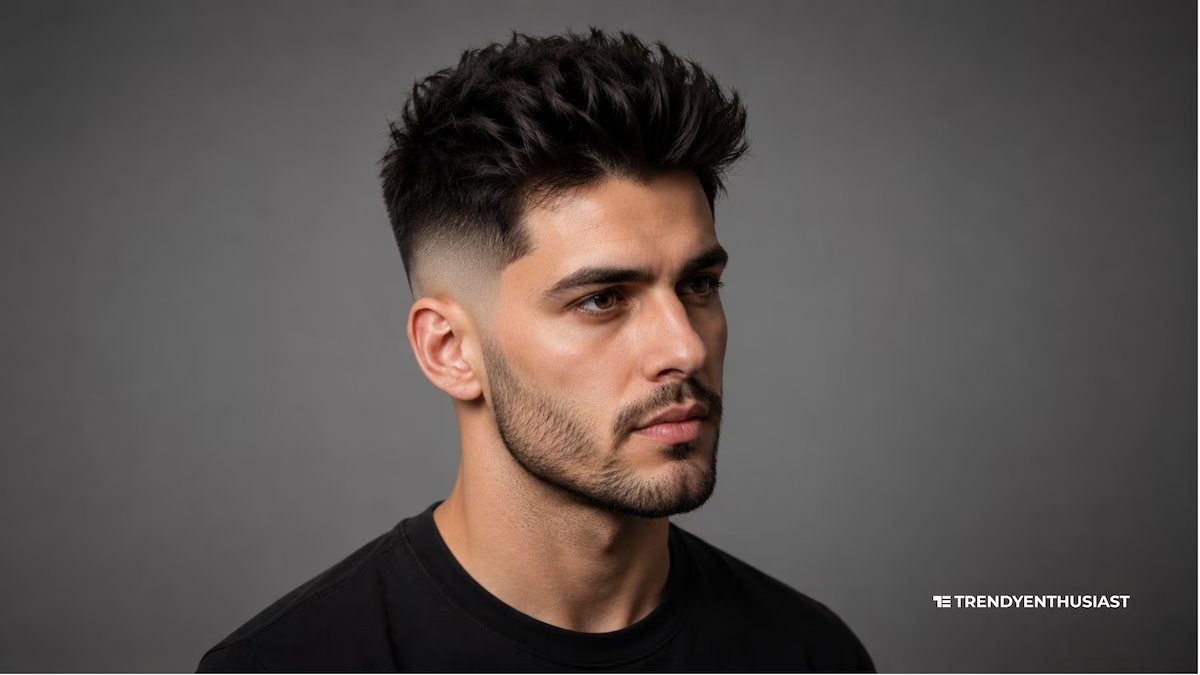
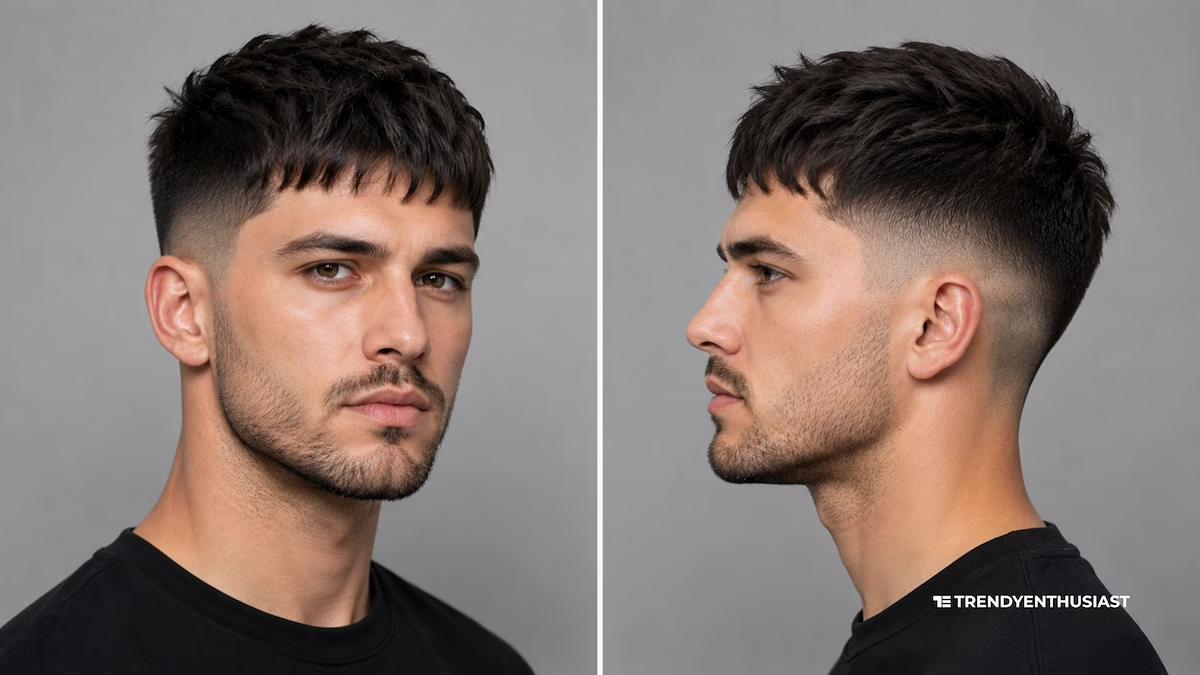
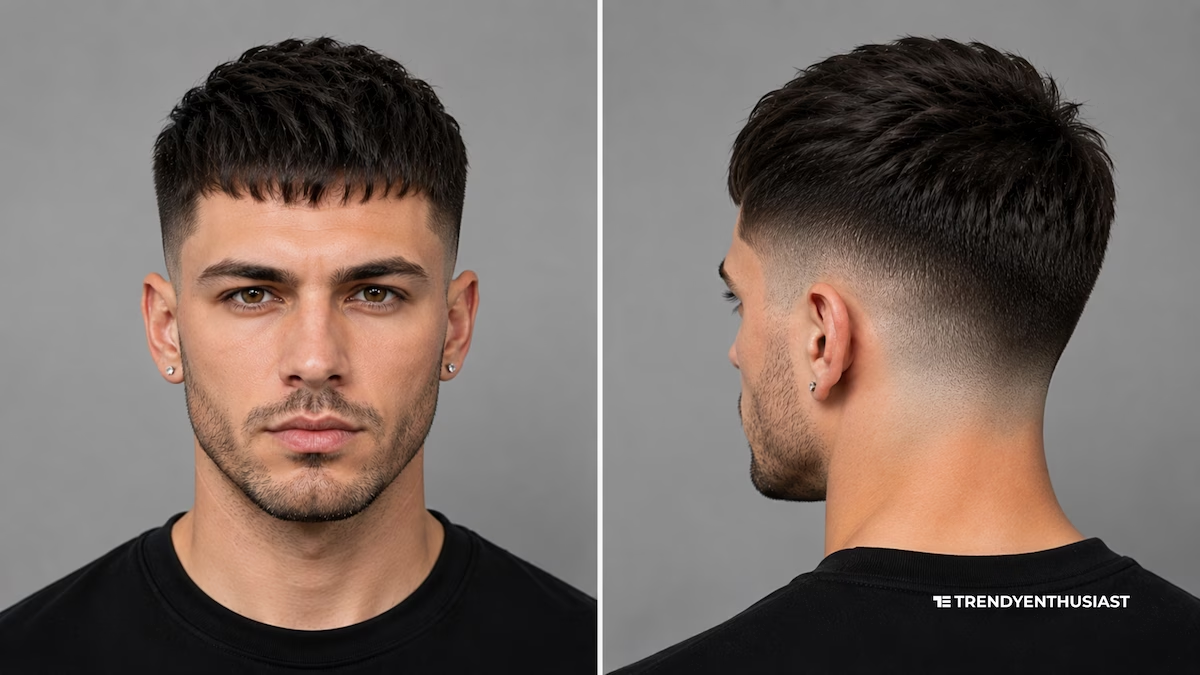
The textured crop keeps the hair short overall, with the top point-cut to create movement and texture rather than a blunt all-over crop. It pairs with a low to mid fade or a natural taper. It is the most versatile short haircut for men sharp enough for a business environment, relaxed enough for weekends, and requiring minimal morning effort. Suits oval, square, and oblong face shapes particularly well. Works across straight, wavy, and fine hair.
A French crop has the hair cut short on the sides with a horizontal fringe sitting just above the brow. It is the European counterpart to the textured crop, slightly more deliberate in its fringe line, with a distinctly continental character. It suits oblong, diamond, and heart face shapes because the horizontal fringe line adds visual width across the forehead. Minimal product required. Works particularly well on straight and slightly wavy hair.
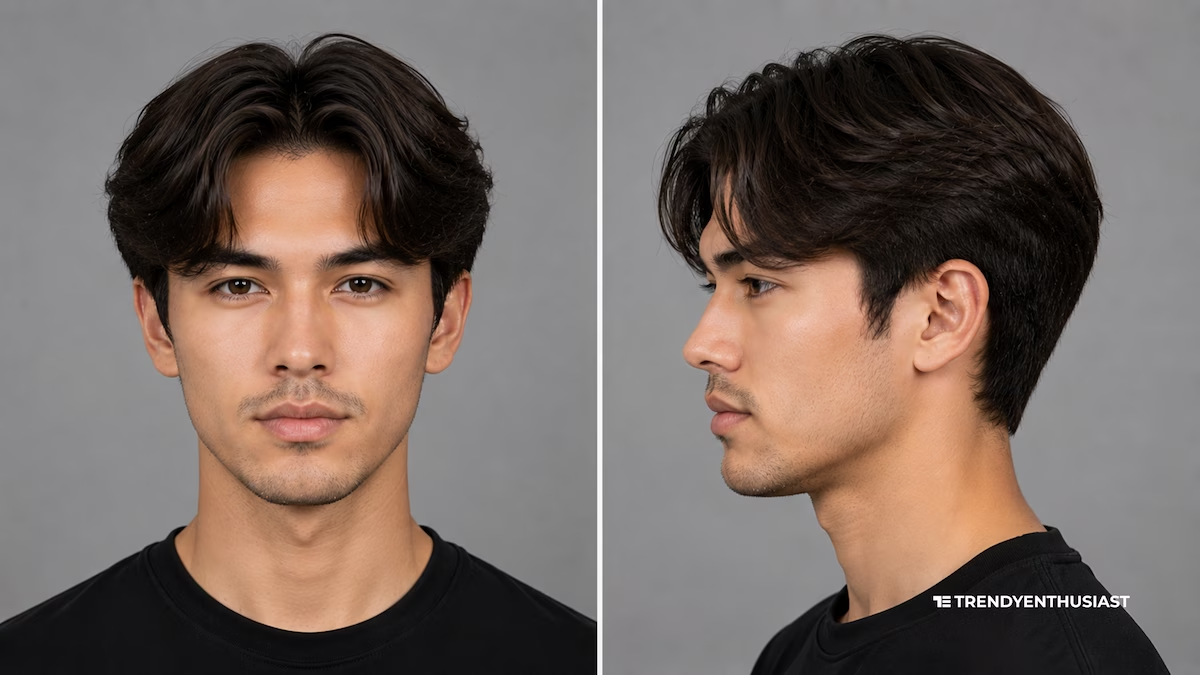
Curtains, the centre-parted style worn long enough to fall to the sides of the face, returned to mainstream men’s style in the early 2020s and have not left. The style is naturally suited to wavy and slightly curly hair because the natural movement gives it the effortless fall that makes it work. It suits oval, oblong, and diamond face shapes. Requires more length (3–4 inches minimum on top) and benefits from a natural taper rather than a hard fade on the sides.
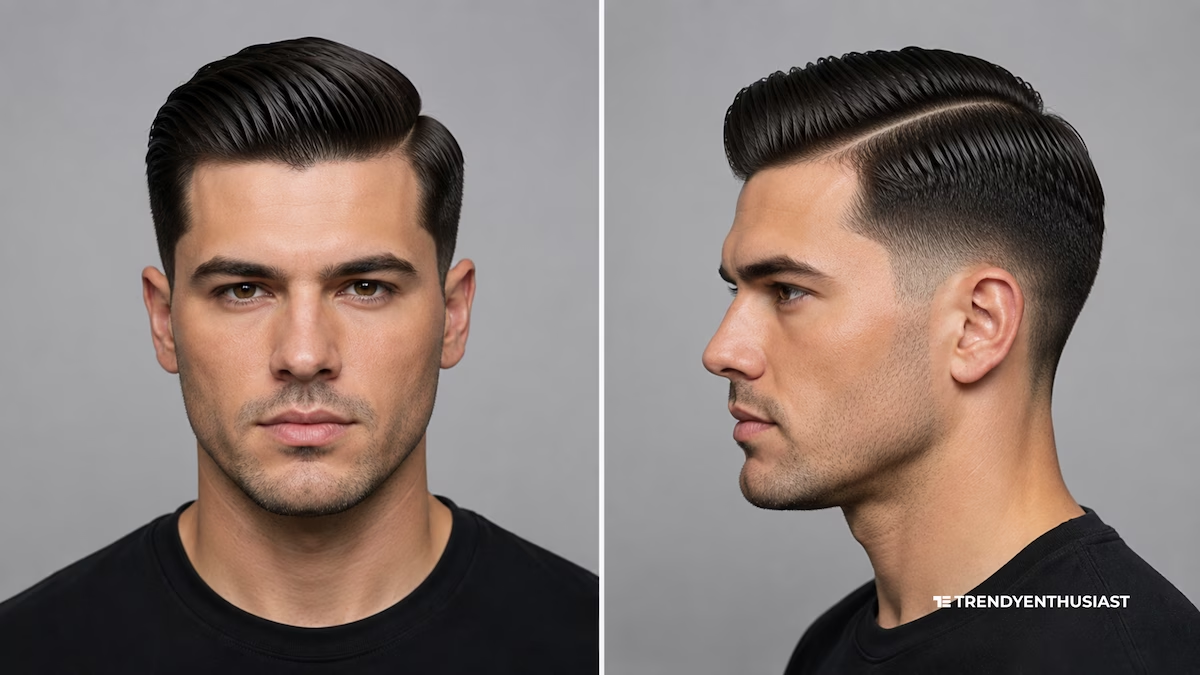
The classic side part is the most formally versatile haircut in men’s grooming. A clean parting on one side, blended with a low taper, suits every face shape and works in every professional environment. It is not the most current style but “current” and “correct” are not the same thing. A man who arrives at a formal dinner or a job interview with a sharp side part has made a choice that communicates order, intentionality, and a certain kind of quiet authority. Suits straight hair best.
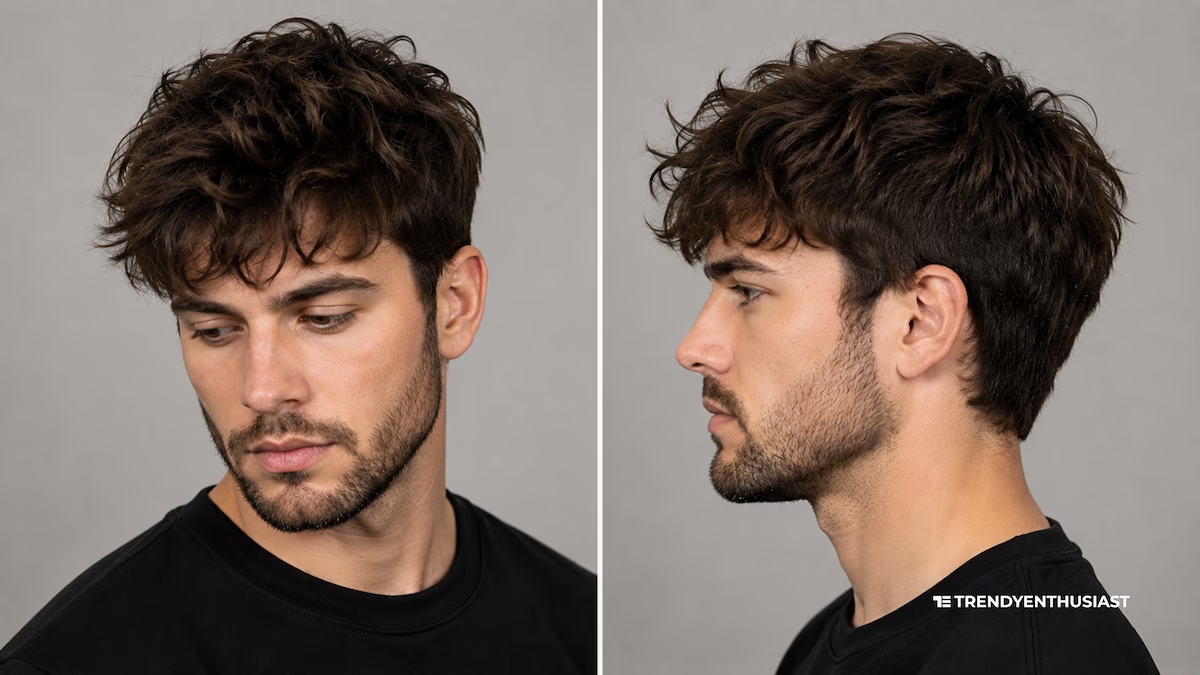
The messy hairstyle is deliberate disorder not unkempt hair, but a style that appears to have happened naturally and is, in fact, the result of the right cut and the right product applied in the right way. It suits men with wavy or straight hair of medium length, and works best on oval and square face shapes. The styling directive is always the same: fingers only, matte product, applied to damp hair, then left alone.
| Face Shape | Best Styles | Styles to Avoid | Key Principle |
|---|---|---|---|
| Oval | Most styles - choose by texture and lifestyle | Extreme all-over volume | You have natural balance - work with it |
| Square | Textured quiff, messy crop, side part | Very short all-over cuts, flat tops | Add height; soften the jaw angle |
| Round | High quiff, textured crop with height, pompadour | Bowl cuts, middle parts, side volume | Add vertical height; reduce width |
| Oblong | French crop, curtains, full sides | High quiff, pompadour, anything adding height | Add width; reduce perceived length |
| Diamond | Curtains, side part, textured fringe | Tight all-over short cuts | Add width at forehead and chin |
| Heart | Side part, curtains, textured fringe | Centre part, volume on top of head | Reduce forehead width; add chin width |
| Triangle | Quiff, textured crop with height | Short sides with flat top | Add volume on top; balance the jaw |
A hairstyle is one half of a first impression. The other half is what you’re wearing. If you’ve matched your hairstyle to your face, match your wardrobe to your body.
Instantly translate any dress code into a complete, stylish outfit. Completely Free.
Try Now →The hairstyle that suits you depends on four factors working together: your face shape, your natural hair texture, your hair density, and your maintenance reality. Face shape determines the direction whether you need to add height, width, or balance. Hair texture determines the mechanism, which cuts your hair will hold naturally versus which require daily effort. Maintenance determines what you’ll actually keep up. Use the Hairstyle Matcher above to combine all four into a single precise recommendation. If you want to answer the question quickly without the tool: identify your face shape first, then cross-reference it with the table above, then consider your texture.
Men with round faces benefit from hairstyles that add vertical height and keep the sides tight. The best options are a textured or high quiff with a mid or skin fade, a pompadour, or a textured crop pushed upward. All of these draw the eye up, which creates the illusion of a longer face and reduces the perception of width. The styles to avoid are bowl cuts, middle parts, curtains, and any style that adds volume to the sides – these amplify the roundness rather than counterbalancing it. A mid or high fade is almost always flattering on a round face because the tight sides visually elongate the profile.
Square faces have strong, angular jawlines – the goal is to add volume on top that draws the eye upward while softening the jaw angle. The best options are a textured quiff (mid fade, textured top), a messy textured crop, or a side part with volume. The key technical requirement: keep the sides shorter than the top. The contrast between tighter sides and textured top creates the vertical proportions that balance a square jaw. Avoid very short all-over cuts that expose the full jaw angle, and avoid completely flat tops that reinforce the horizontal line of the face.
Identify your face shape by measuring or assessing two things: the ratio of your forehead width to your jaw width, and the shape of your chin. If your face is roughly as long as it is wide with soft features i.e round. If your jaw is as wide as your forehead with sharp angles i.e square. If your face is longer than it is wide with balanced widths i.e oval or oblong. If you’re widest at the cheekbones it’s diamond. Once you have your face shape, the principle is simple: use the hairstyle to add what the face doesn’t naturally have. Round faces need height. Square faces need softening on the jaw. Oblong faces need width. Use the Hairstyle Matcher above to go beyond face shape and factor in your hair texture, density, and lifestyle.
Match the cut to the natural behaviour of your hair rather than fighting it. Straight hair suits precision cuts like side parts, sharp quiffs, textured crops because it holds clean lines well. Wavy hair suits styles that embrace movement like French crops, curtains, textured quiffs because the natural wave does the styling work. Curly hair suits defined crops and shaped natural tops where the curl pattern is the feature of the cut rather than something to be managed. Coily hair suits clean tapers and shaped natural styles where the sides are structured and the top is allowed to be itself. The universal rule: the cut that requires your hair to behave opposite to its natural tendency is the cut that will fail in real life.
Research on male attractiveness and grooming consistently identifies two factors above all others: a hairstyle that is well-maintained, and a hairstyle that is proportionate to the face. Men who visit a good barber regularly and specify exactly what they want look more attractive than men with objectively “better” cuts that are poorly maintained. The second factor is proportionality a hairstyle that balances the natural proportions of the face reads as more attractive because it looks natural and intentional simultaneously. A textured quiff on a round face, a clean taper on an oblong face, a structured crop on a square face, each is attractive precisely because it works with the features rather than despite them.