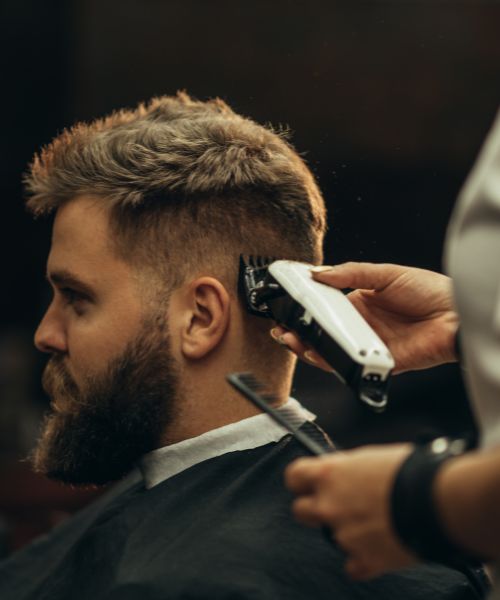
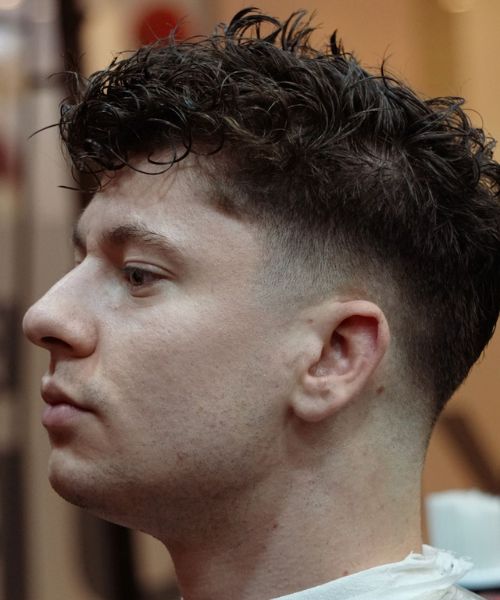
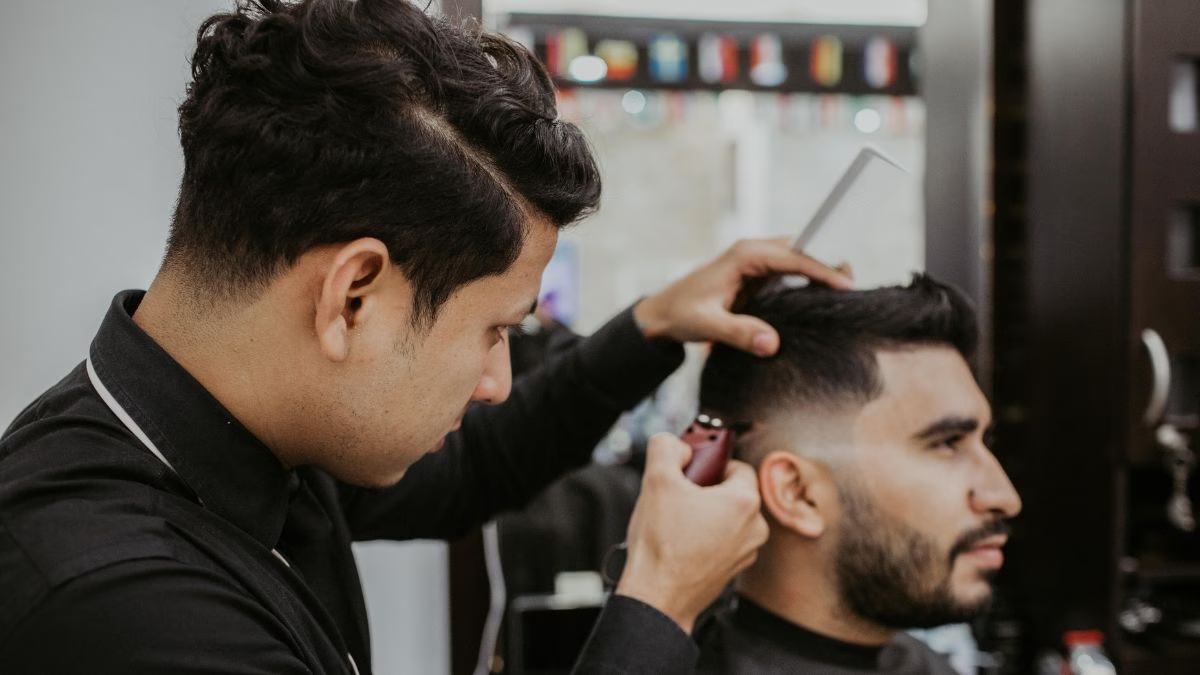
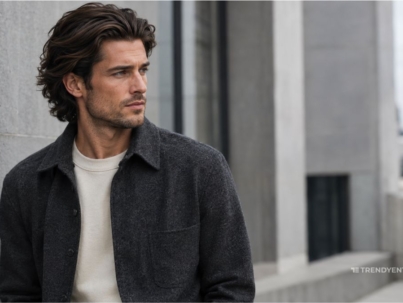
A taper features a subtle hair length gradient at the sideburn taper and neckline fade, leaving more hair volume. A fade uses precision cutting with a clippers guard for tight hair blending, creating a contrast haircut like a skin fade or drop fade. From a classic taper blend to a sharp high fade, mastering these barbering techniques helps you refine your styling preferences.
Having taper and fade barber terms explained gives you clear haircut options before visiting the barber shop and getting the chop.
When exploring a new haircut, understanding the difference between taper and fade styles is essential for the perfect taper vs fade haircut. Both men’s haircuts offer a versatile look, giving you a clean look and sharp look ideal for modern grooming trends. To figure out which haircut will suit me best, consider your face shape, hair types, and natural texture.
A Taper Haircut is a popular Men’s Haircut where a Barber uses Clippers to create a Gradual Blend of Hair Lengths down to the Neckline and Sideburns. This Tapering Technique leaves the Top And Sides longer, resulting in a Subtle, Clean Finish with less Contrast than a standard Fade Haircut.
Known as one of the best Low Maintenance Men’s Haircuts, this Tapered Cut provides a Polished, Professional Look that suits various Hair Types. According to Michael Rackett from the Rush Artistic team, it offers a Smarter Style and an Effortless Blend favored by Celebrities With Taper Haircuts like David Beckham and Ryan Gosling.
A Classic Taper Haircut allows for a Customised Length, making it a Well-Groomed, Clean-Cut option for any Hairstyle.
When exploring What are the different types of tapers, your barber will explain that these haircut variations depend heavily on your preferred taper placement and desired level of contrast. Using a precise gradual shortening technique, they can customize the style based on your hair length and hair texture to achieve the perfect look.
To understand what is a fade haircut, know that this modern and sharp hairstyle involves a gradual shortening of hair from the top down to the sides and back. A barber uses hair clippers to create a dramatic transition, leaving the hair cropped closer to the scalp and blending seamlessly into the skin.
This versatile cut delivers a high-contrast finish with clear scalp visibility, resulting in a sleek, trendy appearance.
The key fade vs taper haircut differences lie in this well-defined contrast, where a fade blended down to skin provides a distinctly sharp and clean aesthetic Among popular men’s fade haircuts, styles like a fade combined with pompadour or a fade combined with undercut beautifully highlight these short sides long top haircuts.
When exploring What are the different types of fades, the final result heavily depends on the chosen fade placement and your desired level of contrast. A standard Fade Haircut is ideal for men who want a fashion-forward style highlighted by crisp edges and a clean modern edge. Using expert barbering techniques, a stylist executes a gradual taper to ensure seamless hair blending between the longer hair on top and the closely cropped sides.
Answer 7 quick questions about your face, hair, and vibe. Instantly get a custom barber brief, product recommendation, and a full grooming routine.
When exploring What’s the difference between a men’s taper & fade, the main distinction lies in their haircut transition techniques and the resulting visual contrast. While both styles feature a shorter sides and back, a Men’s Fade utilizes an abrupt transition that is cut much closer-cropped to the skin, whereas a Men’s Taper relies on a gradual length change for a softer transition.
| Feature | Taper | Fade |
|---|---|---|
| Transition Style | Gradual length change - softer, blended | Abrupt - cut much closer to the skin |
| Skin Exposure | Keeps length at the bottom - never reaches skin | Blends to bare skin |
| Placement | Stays around ears & neckline (edges only) | Rises higher up the head - seamless finish |
| Vibe & Impact | Polished, refined - professional settings | Bold, edgy - modern street style |
| Best Hair Types | All textures - incredible styling flexibility | Curly & textured hair (highlights definition) |
| Maintenance | Lower - 4–5 weeks between cuts | Higher - 2–3 weeks to keep contrast sharp |
| Daily Styling | More options - sweep, volume, products | Less length - quicker, low-maintenance styling |
A taper fade is a hybrid haircut that answers the what is a taper fade question with a simple idea: it’s a combination of two styles, the taper and the fade. It starts with longer hair on top and uses gradual length reduction down the sides and back, then blends into the skin-close effect of a regular fade, similar to a skin taper.
This hair blending technique creates a seamless transition and hairline blend, giving you a clean and sharp look without going all the way to a buzz cut.
This hybrid haircut works as a versatile choice because it’s tailored to hair type and suits different hair types, including straight hair, wavy hair, and curly hair. Using clippers and a skilled barber technique, the cut delivers a polished finish that grows out naturally, making it a genuinely trendy haircut for anyone weighing the difference between fade and taper.
Choosing the right cut comes down to hair type, face shape, and maintenance:
Beyond these factors, personal preference matters most. If you like a modern style and aesthetic, a fade pairs well with on-trend hairstyles like a mullet or textured quiff. If you prefer a classic and traditional look, a taper is the better fit.
For the full face-shape and hair-type breakdown across all three taper heights, see the Low, Mid, and High Taper guide.
Walk in knowing your words: start with taper or fade. Describe high or low you want it and whether you’re after that gradual transition with longer hair on top or a crisp close-cut finish.
Bring reference photos, screenshots, or saved Instagram posts so your vision comes through in pictures rather than guesswork, and communicate clearly.
A good barber will factor in your hair type, facial structure, texture, and thickness before offering suggestions, using their skills and expertise to shape a style that fits rather than a copy-paste job; skip the numbers and just describe the length on top and overall length in plain terms, and you’ll land the desired outcome and desired look you actually pictured.
Before you book the appointment, it’s worth confirming this is actually your best match; the Hairstyle Matcher factors in maintenance tolerance too, not just face shape.
Neither cut is universally “better.” A taper is ideal for a classic, low-maintenance look, while a fade is best for a bold, high-contrast style. Your perfect choice ultimately depends on your personal maintenance habits, your professional setting, and your specific face shape.
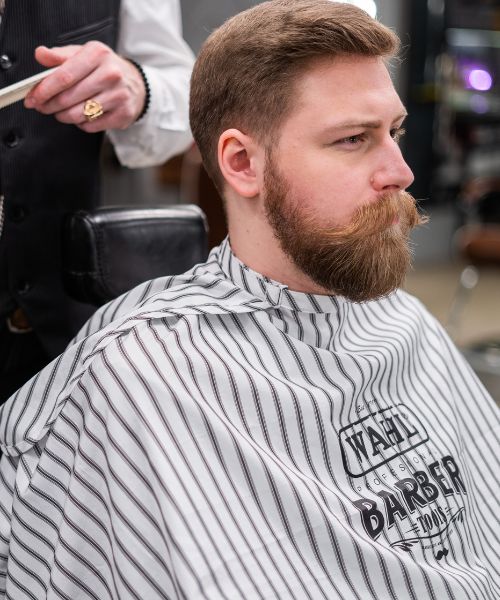
Both styles are highly attractive, but they offer different aesthetics. A standard fade delivers a striking contrast, whereas a taper fade provides a subtler, more flexible look. The taper fade is widely considered a balanced, versatile cut because it blends the subtle decrease of a taper with the dramatic impact of a fade.
Generally, tapers are considered easier to execute than full fades because they cover a smaller area and require less skin blending. However, executing tight sideburn and neckline transitions on a taper still demands a steady hand and expert technique.
Tapers generally last longer than fades. Because tapers leave more length around the natural hairline and neckline, hair regrowth blends gracefully, allowing you to go 3 to 4 weeks between barbershop visits. In contrast, fades are cut down to the skin, meaning regrowth quickly ruins the crisp contrast and requires touch-ups every 1 to 2 weeks.
No, a fade is generally shorter. While people often use the terms interchangeably, a classic taper gradually gets shorter but retains some hair length at the bottom. A fade—especially a skin fade—aggressively blends the hair all the way down to the bare skin.
The most universally flattering options are the low fade, mid fade, and taper fade. These specific variations offer a clean, balanced look that easily complements and enhances most face shapes.
Many women find fade haircuts attractive because they look clean, modern, and well-groomed. Among all the variations, the low fade is frequently highlighted as the most appealing choice due to its highly natural and balanced appearance.
Not necessarily. A cut like the short high taper fade is exceptionally sharp and clean, keeping your daily grooming routine low-maintenance while still delivering major visual impact.
When finalizing your decision, remember that both options are highly versatile and guarantee a clean, stylish haircut that easily complements any hair type or length. To ensure you achieve the exact outcome you are looking for, always communicate clearly with your barber by bringing reference pictures and using specific descriptive words.
Founder and Editor of Trendy Enthusiast. Ali covers men's fashion, lifestyle, grooming, and the art of dining well - blending real experience with practical insight.
Connect on Instagram