Peak Lapel vs Notch Lapel: The Definitive Guide to Choosing the Right One
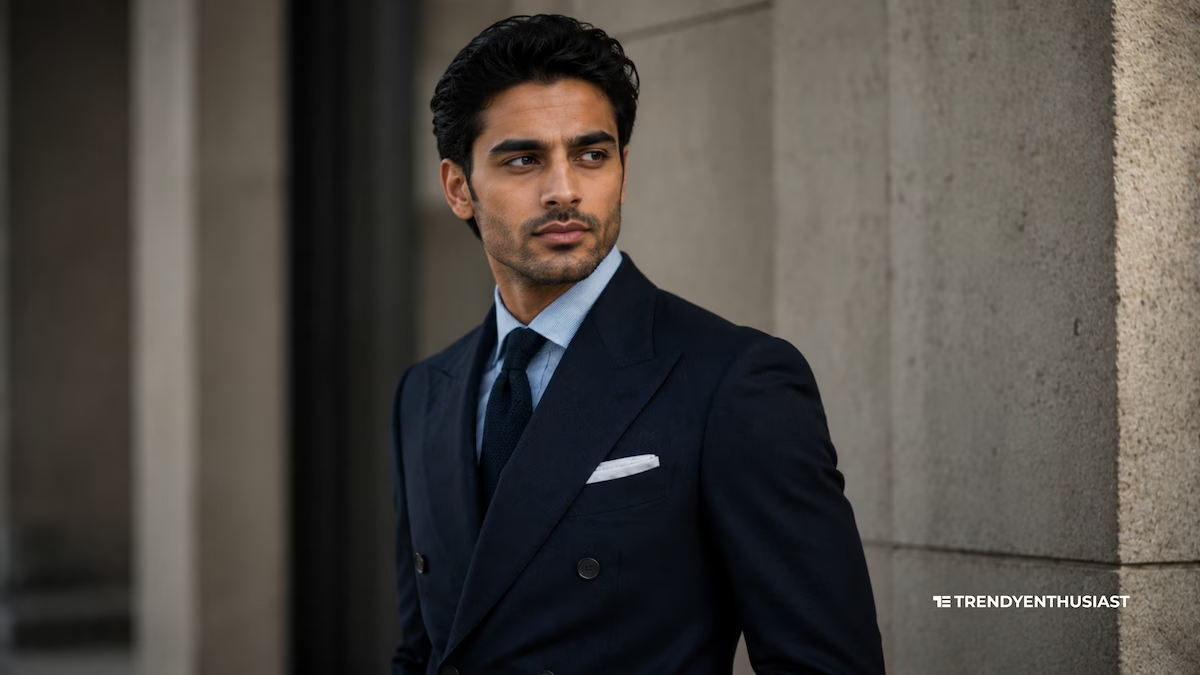
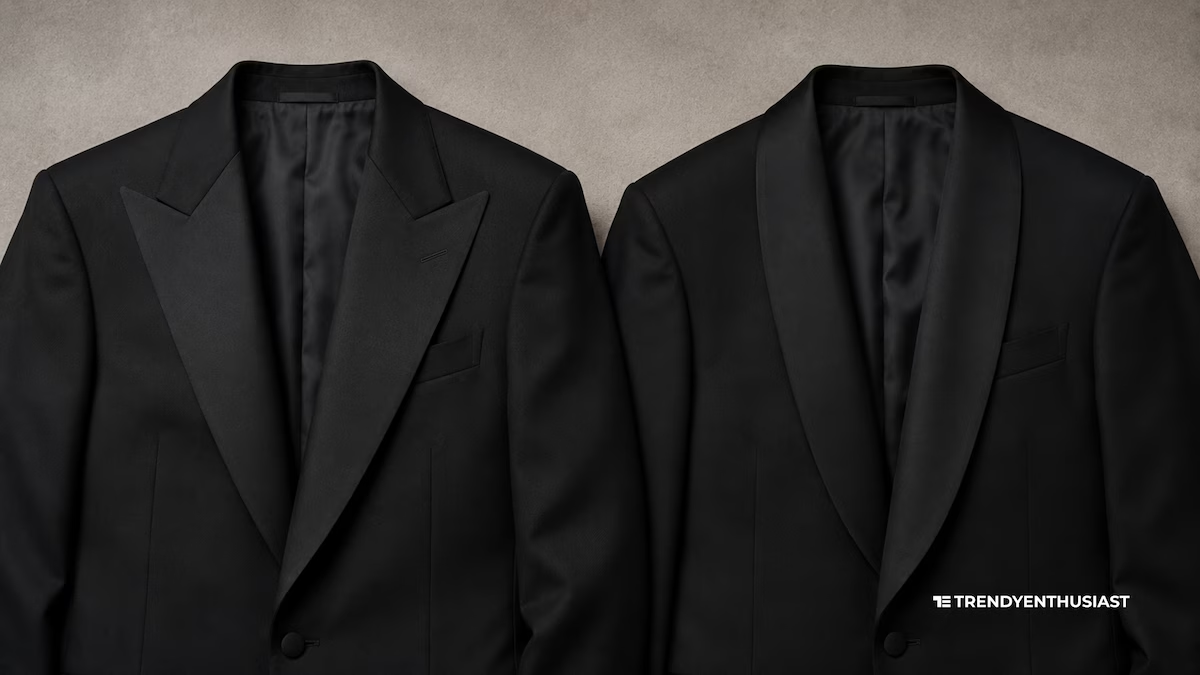
A peak lapel points upward toward the shoulder and reads as bold, formal, and authoritative. It’s the standard on tuxedos and double-breasted suits.
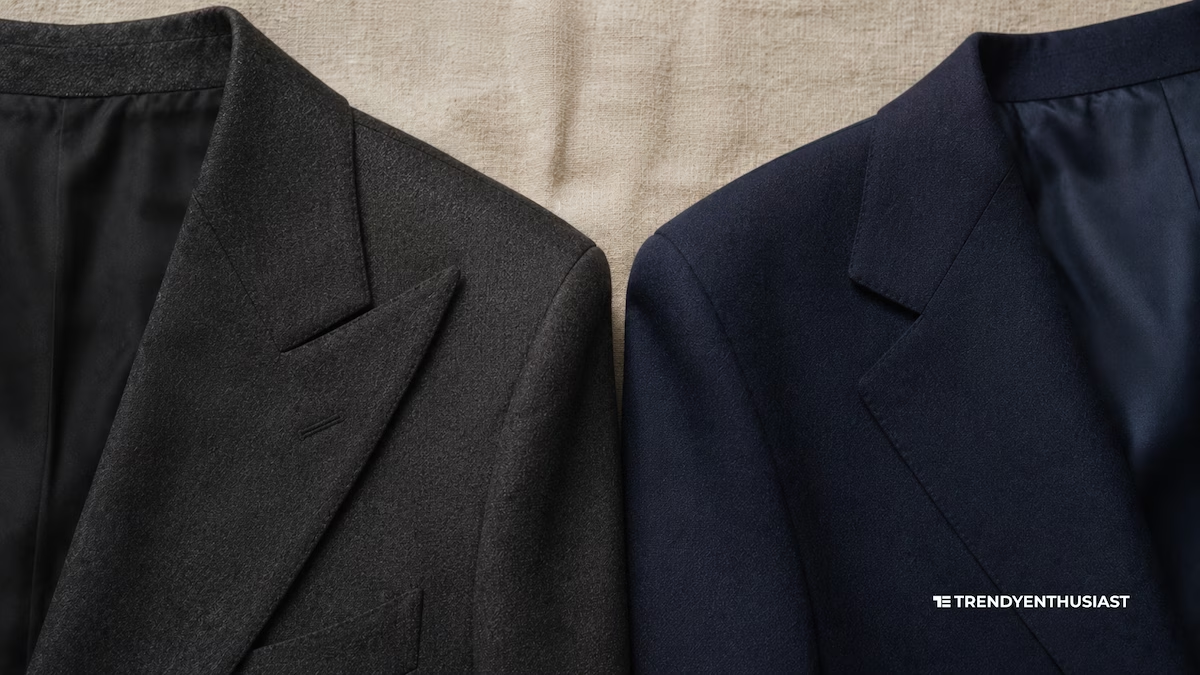
A notch lapel has a simple V-shaped indentation where it meets the collar, and it’s the versatile, everyday choice for business and smart casual wear. If you’re choosing between them: pick peak for black-tie, weddings, and power dressing; pick notch for the office, interviews, and anything you’ll wear often.
What Is a Peak Lapel?
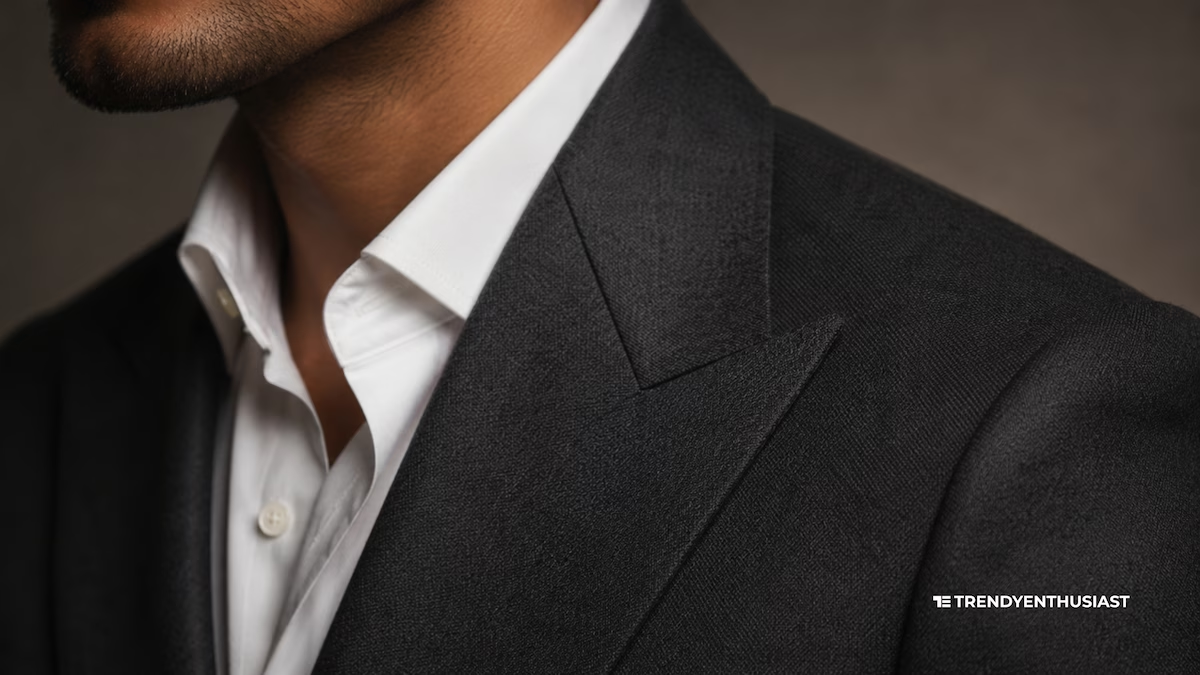
A peak lapel is cut so the fabric extends upward and outward past the collar seam, ending in a sharp point that angles toward the shoulder.
Structurally, it’s the same fold of fabric as any lapel, it’s the shape of the notch (or lack of one) where lapel meets collar that defines it. Because the point draws the eye up and out, a peak lapel visually broadens the shoulders and adds a sense of height and structure to the chest. This is why it’s historically been the lapel of authority: judges, generals, and boardroom power players have leaned on the peak lapel for exactly this optical effect.
You’ll find peak lapels most often on:
Tuxedos and dinner jackets – alongside the shawl lapel, it’s one of only two acceptable black-tie lapel shapes
Double-breasted suits and blazers – the peak lapel is close to mandatory here; a notch lapel on a double-breasted jacket looks structurally wrong
Formal single-breasted suits – increasingly common on modern tailoring for business and event wear
What Is a Notch Lapel?
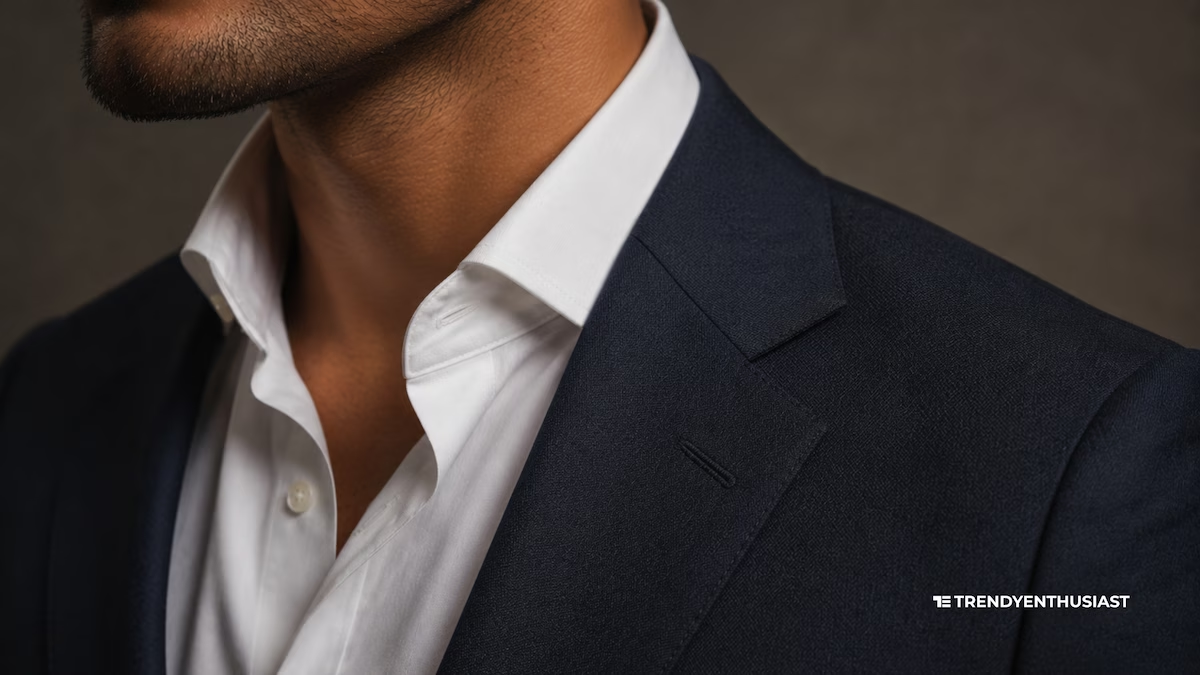
A notch lapel is defined by a small, V-shaped cut where the lapel meets the collar picture a sideways checkmark. It’s the lapel you’ve seen most in your life without registering it, because it’s the default on the overwhelming majority of off-the-rack suits, sport coats, and blazers. There’s no dramatic point, no visual flourish – just a clean, balanced line that reads as competent rather than commanding.
Notch lapels dominate:
Business suits – the standard for interviews, client meetings, and daily office wear
Single-breasted blazers and sport coats – including smart casual pieces worn with chinos or dark jeans
Most ready-to-wear suiting – it’s cheaper and easier to cut than a peak lapel, which is part of why it’s everywhere
Double-Breasted Suits and Peak Lapel: Why They Go Together
A double-breasted jacket has two parallel columns of buttons and a wide overlapping front, instead of the single column on a standard single-breasted suit that overlap is what “double breasted” actually means.
Because the front panel is so much wider, a notch lapel has nowhere proportionate to sit; the peak lapel’s extra width and upward angle is what balances the jacket visually. This is why almost every double-breasted blazer on the market ships with a peak lapel.
Fit works differently here than on a single-breasted suit. A double-breasted jacket should sit close through the chest with zero pulling across the buttons, and the front overlap needs to lie completely flat when fastened & any gap means the size or the button stance is wrong. Most double-breasted suits use a 6×2 button stance (six buttons total, two functional), though a 4×1 is more common on modern, slimmer cuts. Whichever stance you choose, only ever fasten the top button; the rest are decorative.
Peak Lapel vs Notch Lapel: Side-by-Side Comparison
Double-breasted (near-mandatory); works on single-breasted formal
Single-breasted, virtually any style
Ideal occasions
Weddings, galas, black-tie, power meetings
Office, interviews, daily wear, casual Friday
Body type fit
Flatters narrow or slim shoulders; can overwhelm already-broad frames if cut too wide
Safe across most builds; doesn't add bulk
Cost to tailor
Higher - harder to cut cleanly
Lower - simpler, standard cut
Everyday versatility
Low - reads as a statement piece
High - the default for a reason
Peak Lapel vs Notch Lapel: Which One Should You Wear?
This is the actual decision most men are trying to make, so here’s the direct answer.
Choose a peak lapel if:
You’re attending a black-tie event, wedding, or gala
You’re wearing a double-breasted jacket (the lapel choice is basically made for you)
You want the suit to signal authority i.e a board presentation, a keynote, a negotiation
Your build is slim to average and can carry the extra visual width
Choose a notch lapel if:
You’re building a suit for regular office wear or interviews
You want one jacket that works across the widest range of situations
You’d rather the outfit not draw attention to itself
You’re on the broader or more muscular side and don’t need more shoulder emphasis
If you’re still not sure which reads right for a specific invitation like wedding, black-tie, business formal, smart casual run it through the Dress Code Decoder and it’ll tell you the lapel, jacket, and full outfit the dress code actually calls for.
Peak Lapel Formality: Where It Actually Sits
Here’s where most guides get vague. The peak lapel doesn’t have one fixed formality level it shifts depending on what it’s attached to.
On a tuxedo: maximum formality, on par with (some argue above) a shawl collar
On a double-breasted wool suit: formal business to business-formal it’s sharper and more assertive than a notch lapel suit, but not black-tie
On a single-breasted suit: a deliberate upgrade in presence over a notch lapel, without crossing into tuxedo territory
On an unstructured blazer or sport coat: still reads as more dressed-up than a notch lapel version of the same jacket, even in casual fabric
The rule of thumb: a peak lapel always reads at least one notch more formal than a notch lapel in the same fabric and cut. It never reads as more casual.
Peak Lapel on a Business Suit: Is It Appropriate?
Yes, a peak lapel business suit is entirely appropriate, and in some industries (finance, law, executive leadership) it’s read as a deliberate power move.
The caveat: it’s a bolder choice than a notch lapel, so it suits men who already hold senior positions or want to project seniority. If you’re early-career or interviewing, a notch lapel is the safer, more conventional read.
Peak Lapel Width: Getting the Proportions Right
Width is where a peak lapel succeeds or fails visually. As a starting point:
2.5–3 inches – slim, modern, works best on leaner builds and slimmer ties
3.25–3.75 inches – the standard range for most men; classic and safe
4 inches+ – bold, best reserved for taller or broader men who can carry the visual weight; pair with a wider tie
A peak lapel that’s too narrow looks awkward and undercuts the whole point of the style so go no slimmer than about 3 inches unless you know exactly what you’re doing. Going too wide, on the other hand, can visually swallow the jacket.
Peak Lapel vs Shawl Lapel for Black-Tie
Since this comes up constantly alongside the notch comparison: for black-tie, your two real choices are peak lapel or shawl lapel never notch. A shawl lapel is a single continuous curve with no point at all, and it reads as slightly softer and more traditional than a peak lapel tuxedo, which feels sharper and more assertive. Neither is “more correct” by modern dress code standards; it’s a matter of the silhouette you want.
The Bottom Line
Neither lapel is objectively better, they’re built for different jobs. A notch lapel is the workhorse: reliable, versatile, and correct in nearly every professional setting. A peak lapel is the statement piece: reserved for moments where you actually want the suit to say something. Know which job you’re dressing for, and the lapel choice makes itself.
Not sure what a specific invitation actually calls for? The Dress Code Decoder turns any dress code into a complete, lapel-specific outfit in under a minute.
A peak lapel is a suit or tuxedo lapel where the fabric points upward and outward toward the shoulder, rather than curving in with a notch. It’s the more formal, bolder of the two main lapel styles.
Yes. A peak lapel business suit is appropriate and often reads as a confident, senior-level choice, though a notch lapel remains the safer option for interviews or early-career settings.
Yes. The upward angle of a peak lapel visually extends the shoulder line, which is why it flatters slimmer builds and can overwhelm frames that are already broad.
Wear a peak lapel for black-tie events, weddings, galas, and situations where you want the outfit to project authority – plus any time you’re in a double-breasted jacket.