Buzz Cut Guide: Every Variation and Who It Actually Suits
A buzz cut is any hairstyle clipped uniformly close to the scalp using electric clippers, typically between a 0 and a number 5 guard. It’s the fastest route to a low-maintenance look, but “buzz cut” isn’t one haircut, it’s a family of at least nine distinct styles, and the guard length you choose changes everything from how sharp your jawline looks to how long you can go between barber visits.
Most men walk into the chair and say “just buzz it” without knowing there’s a difference between a number 2 and a number 4, or that a skin fade buzz cut and a tapered buzz cut solve completely different problems.
Quick answer: If you want the lowest-maintenance option, ask for a number 2 all over. If you want more definition and a sharper finish, pair a number 3 or 4 on top with a skin fade on the sides. Round and square faces generally suit shorter guards (0–2) for contrast; oval and diamond faces have more room to go longer (3–5).
Not sure which length or fade actually suits your face? Run your quiz through the Hairstyle Matcher it cross-references your face shape against every cut in this guide and tells you which guard number to ask for.
The Buzz Cut Guard Number Chart
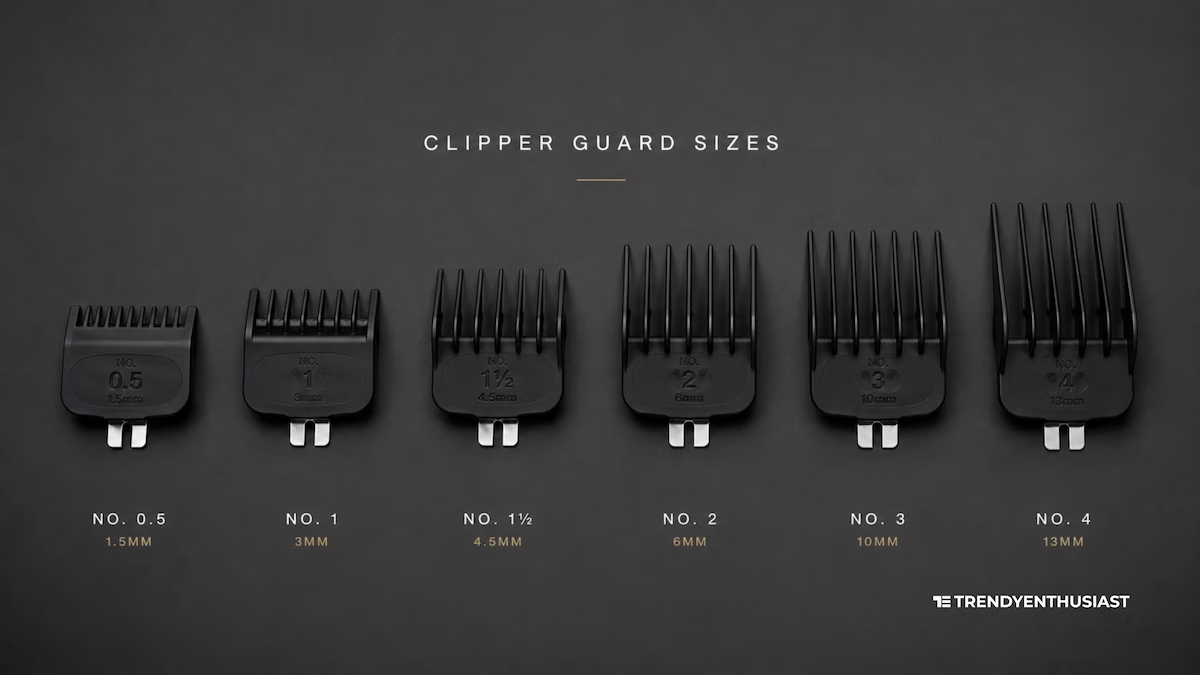
Every buzz cut starts with a decision: what guard number. Clipper guards are standardised across most professional brands, so a number 2 at one barbershop is the same length as a number 2 at another. Here’s the full breakdown.
Guard number
Length
Look
Best for
0
1.5mm / 1/16"
Shaved-down, military-style, almost skin
Bold statements, hot climates, hairline camouflage
1
3mm / 1/8"
Very short, slight shadow of hair
Thick, coarse hair; men who want minimal upkeep
2
6mm / 1/4"
The classic "buzz cut" length
The most requested guard - safe, sharp, universally flattering
3
10mm / 3/8"
Short but with visible texture
Men who want a buzz cut with more density on top
4
13mm / 1/2"
Longer, styleable with product
Buzz cuts that need to look intentional, not just short
5
16mm / 5/8"
Borders on a crew cut
Men transitioning out of a buzz cut, or wanting length up top
A number 1 or 2 buzz cut is the standard reference point most men mean when they say “buzz cut”, short enough to need almost no styling, long enough to still look deliberate. If your barber asks “guard or blade?”, a guard number is what gives you a uniform length; a blade with no guard is the true 0, skin-close induction cut.
Every Buzz Cut Variation, Explained
Induction Cut (Guard 0)
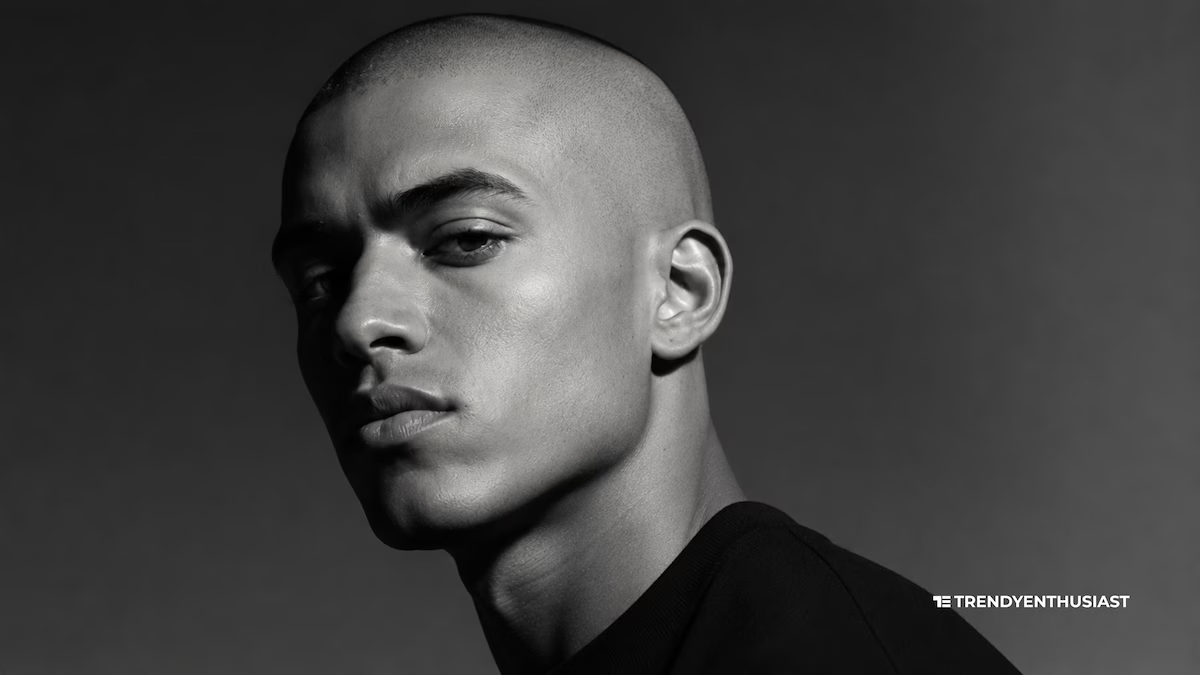
The shortest version of the style and the one most associated with military haircuts. Hair is taken down to the same 1.5mm length across the entire head, with no guard or the shortest one available. It’s the boldest option on this list, there’s nowhere to hide a scar, an uneven hairline, or a difficult skull shape, so it suits men with confident, symmetrical head shapes and a genuine appetite for zero maintenance.
Burr Cut (Guard 1–2)
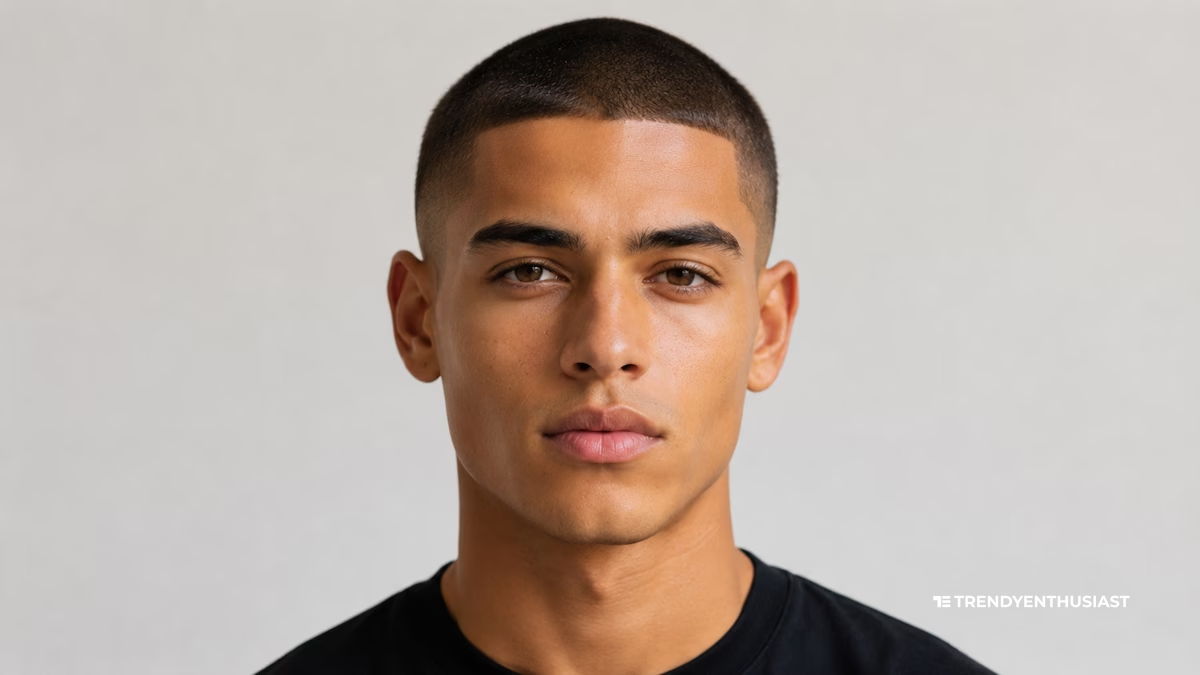
A step up from the induction cut, using a number 1 or 2 guard. This is the buzz cut hairstyle most people picture by default: close enough to be effectively wash-and-go, long enough to still show hair texture and colour. It works on nearly every face shape and hair type, which is why it’s the most searched length in this category.
Butch Cut / Number 3–4 Buzz Cut
Using a number 3 or 4 guard, the butch cut keeps a uniform length across the whole head but with noticeably more coverage than a burr cut. There’s enough length here to run a bit of matte clay through it for texture, which makes it a good middle ground for men who like the buzz cut’s ease but aren’t ready to go as short as a 1 or 2.
Buzz Fade (Low, Mid, High, and Skin Fade)
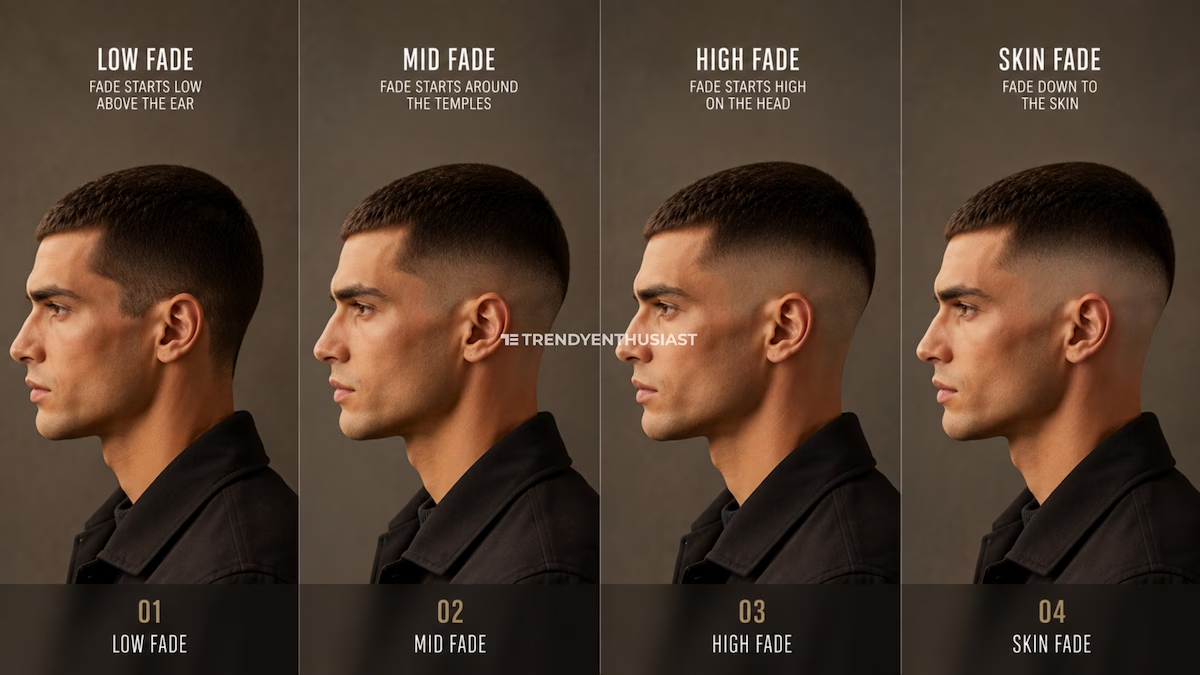
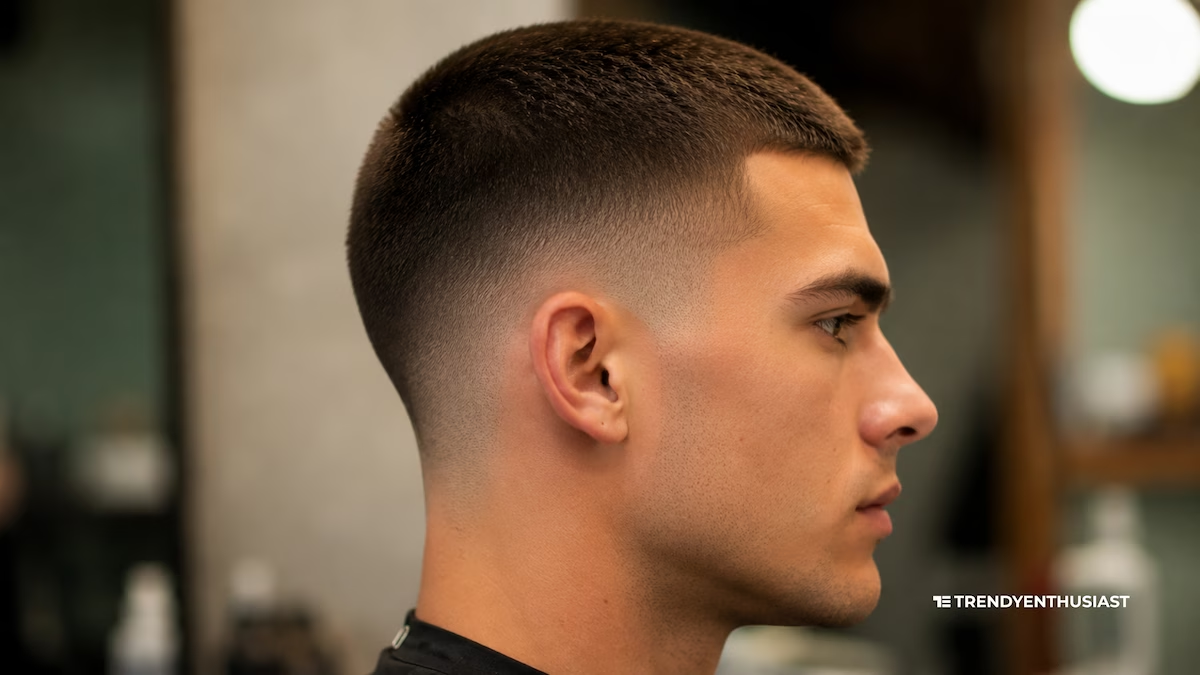
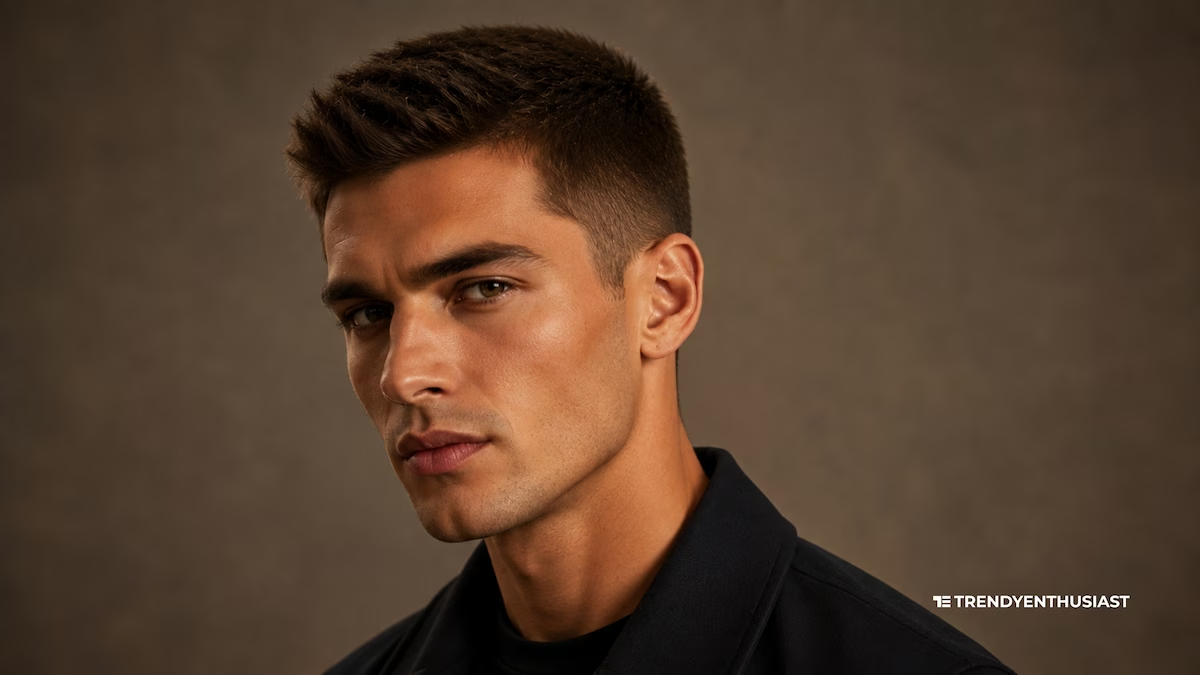
This is where the buzz cut becomes a genuinely modern hairstyle rather than a utilitarian one. A buzz fade keeps a short guard length (usually 2–4) on top and fades the sides and back down to skin or a shorter guard. The fade height changes the effect entirely:
Low fade buzz cut: The fade starts just above the ear. Subtle, office-appropriate, easiest to grow out cleanly.
Mid fade buzz cut: The fade begins at temple height. The most balanced option and the safest first fade for a buzz cut beginner.
High fade buzz cut: Fading starts well above the ear, creating sharp contrast against the top. Best on men with strong, symmetrical head shapes.
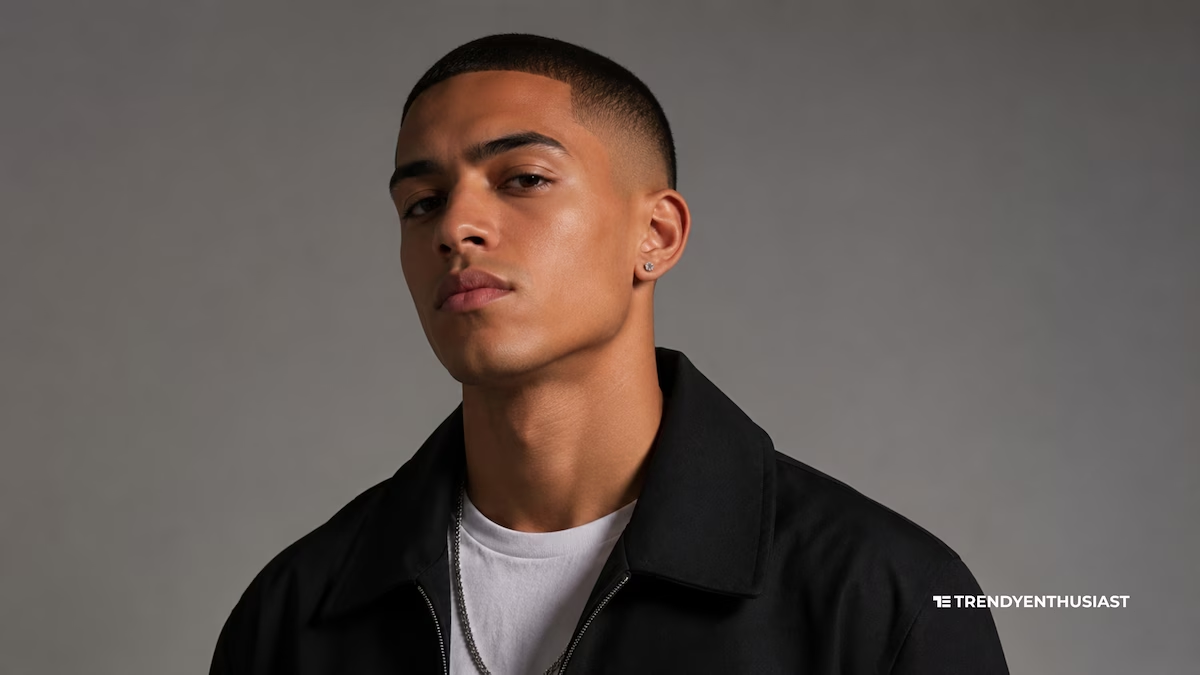
Skin fade buzz cut: The sides fade all the way to bare skin. The sharpest, most contemporary version, and the one that photographs best.
For the complete breakdown of blend points, maintenance frequency, and which height suits your face shape, see the Buzz Fade Guide.
For the complete breakdown of blend points, maintenance frequency, and which height suits your face shape, see the Buzz Fade Guide.
Tapered Buzz Cut
It’s similar to a fade but with less dramatic transition means the taper blends the guard length down without the crisp line a fade creates. A tapered buzz cut is the better choice for a first buzz cut, a more conservative workplace, or hair that’s naturally curly and doesn’t hold a sharp fade line well.
Textured Buzz Cut
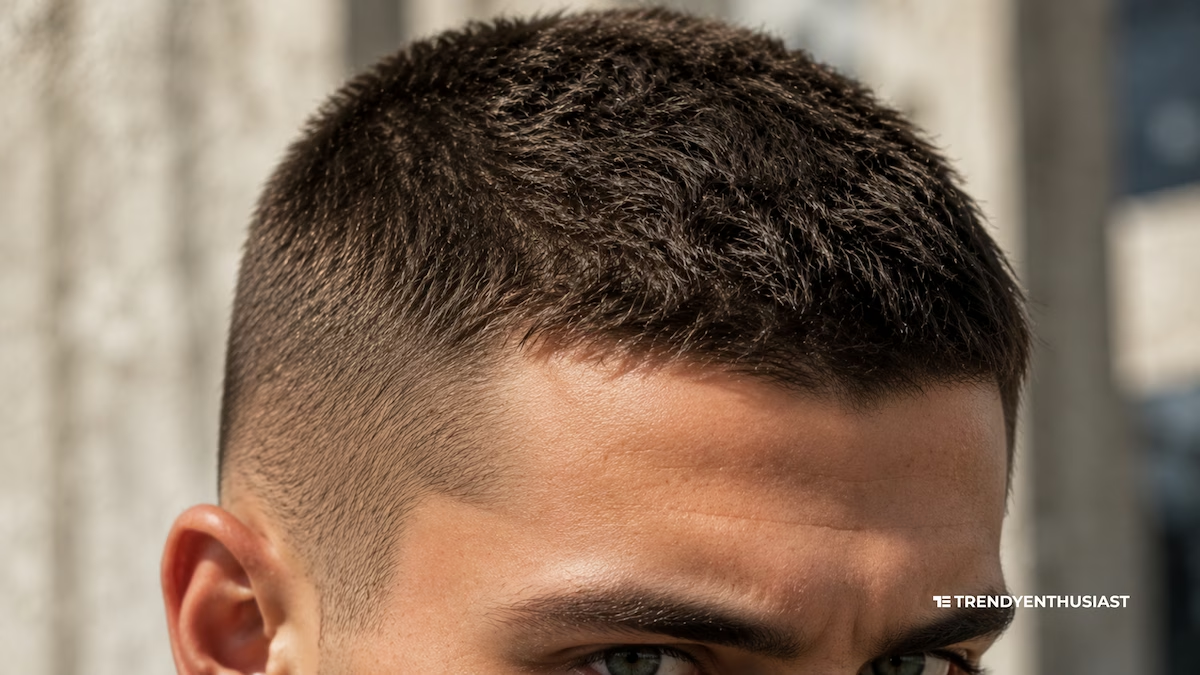
Achieved by using scissors or a razor over the clippered length to break up uniformity, or by adding a light matte product once the cut has a few weeks of growth. A textured buzz cut reads as more deliberate and less “just clipped it all off” the small variation in length catches light differently and adds visual interest without sacrificing the low-maintenance appeal.
Long Buzz Cut
Sitting at a guard 4–5, a long buzz cut has enough length to comb, add texture to, or push into a slight quiff at the front. It’s the version to choose if you like the idea of a buzz cut but aren’t ready to commit to the shortest lengths and it’s the easiest of all the variations to grow out into a longer style later.
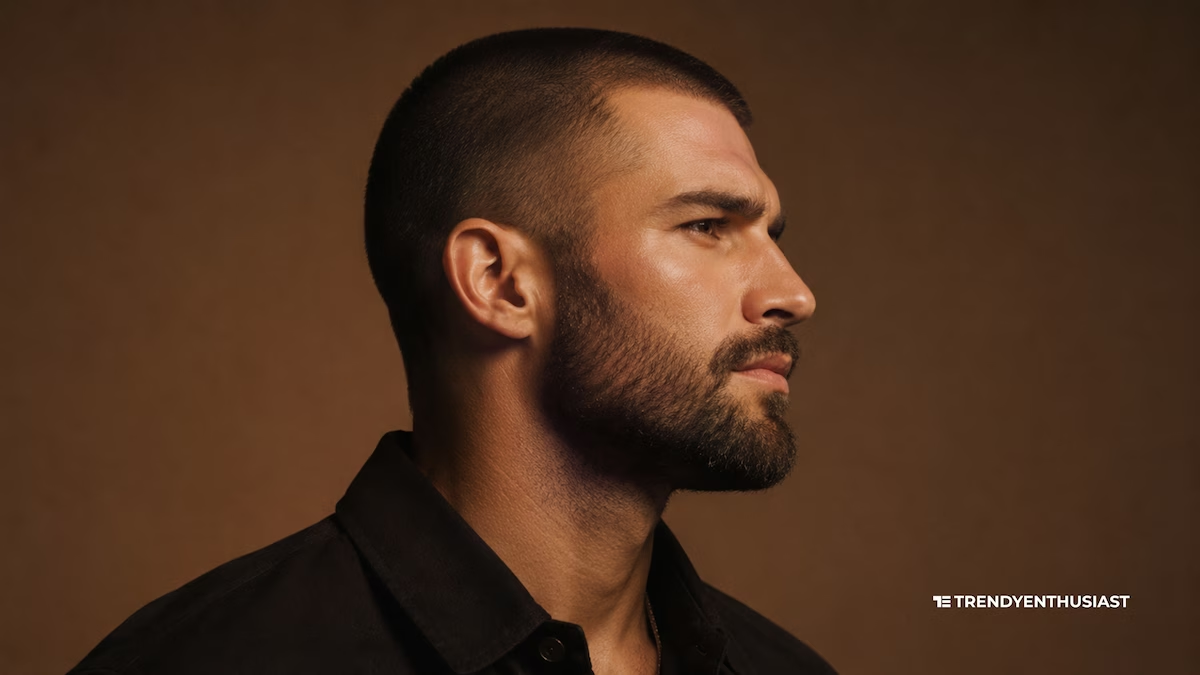
Buzz Cut with Beard
Pairing a short buzz cut with a full or stubble beard creates intentional contrast between the top of the head and the jaw, and it’s one of the most requested combinations in the barber’s chair. The rule of thumb: the shorter the buzz cut, the more the beard should be groomed and defined, since there’s no hair on top to soften a rough beard line. If you’re building this combination, our Beard Oil guide and Best Beard Trimmers UK roundup cover the maintenance side.
Which Buzz Cut Suits Your Face Shape
A buzz cut removes almost all the hair a longer style would use to balance your features, which means face shape matters more here than with any other haircut. These are general starting points, for a result matched to your exact proportions, run a quiz through the Hairstyle Matcher.
Face shape
Best guard length
Why
Oval
0–5, most flexible
Balanced proportions suit almost any length, including the induction cut
Round
1–2 with a high or skin fade
Vertical contrast from the fade elongates the face
Square
2–3, tapered rather than faded
Softens a strong jawline instead of sharpening it further
Rectangle
3–4 with texture on top
Adds visual width and breaks up a longer face
Diamond
2–4, longer on top
Balances a narrower jawline and forehead
Triangle
3–4, more volume on top
Adds width at the crown to offset a wider jaw
Round faces benefit most from a high or skin fade buzz cut because the sharp vertical line the fade creates does more to add length to the face than the guard number itself. Square faces are usually better suited to a tapered buzz cut than a hard fade, since the square jaw is already the face’s strongest feature and doesn’t need more definition. Oval faces have the least to worry about and can take almost any guard length from a 0 to a 5.
Fine, straight hair shows the scalp more easily at very short lengths, so a number 1 buzz cut can look thinner than intended. A guard 2–3 with a low fade tends to give the fullest-looking result.
Wavy or Curly Hair
Curly and coily hair holds shape differently under clippers and often looks fuller at a given guard length than straight hair does. A tapered buzz cut blends more naturally with curl pattern and avoids the harsh line a skin fade can create against tight curls.
Thinning Hair or a Receding Hairline
A buzz cut for balding or thinning hair is one of the most effective ways to handle hair loss, because a uniform short length removes the contrast between thinning and full areas that longer styles expose. A number 1 or 2 guard, sometimes without a fade at all, tends to look the most deliberate on it.
Buzz Cut for Bald or Balding Men
For men managing significant hair loss or opting to go short by choice, a guard 0–1 induction-style buzz cut is the most common route, and often the precursor to a fully shaved head. It’s the lowest-maintenance option on this entire list.
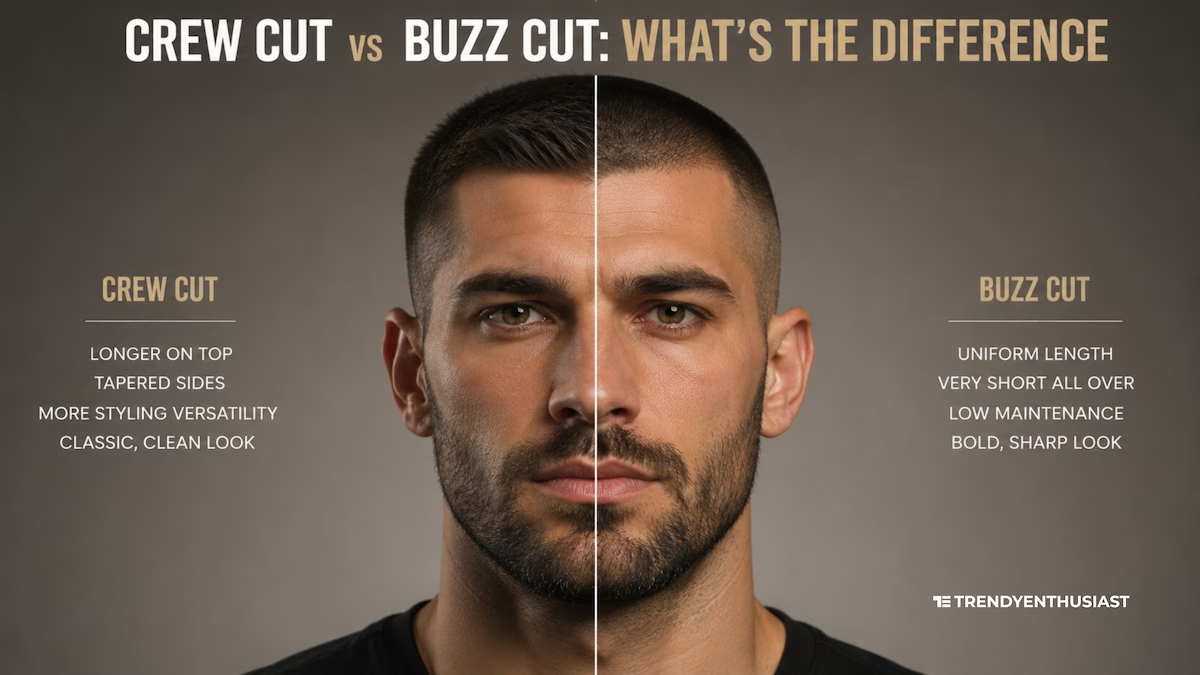
Crew Cut vs Buzz Cut: What's the Difference
The two are frequently confused because both are short, clipper-based styles.
Buzz Cut
Crew Cut
Guard Length
0–5, uniform all over
Longer on top (guard 3–5), shorter on sides
Styling Required
None to minimal
Light product to shape the top
Maintenance
Every 2–4 weeks
Every 3–5 weeks
Best For
Maximum low‑maintenance
A bit more versatility on top
A crew cut is essentially a buzz cut with intentional length variation between the top and the sides, if you want zero styling, go buzz cut; if you want the option to run product through it, go crew cut.
How to Ask Your Barber for the Right Buzz Cut
Walking in and saying “buzz cut” leaves too much to interpretation. Instead:
State the guard number, not just “short” but “a number 2 all over” is unambiguous.
Specify the fade, if any like “skin fade on the sides, guard 3 on top” tells the barber exactly where the transition happens.
Mention your face shape concern, if you have one, a good barber will adjust the fade height accordingly.
Bring a reference photo. Buzz cuts are simple, but guard numbers and fade heights vary enough between references that a photo removes any doubt.
Ask about growth rate. If you have fast-growing hair, a slightly longer guard (3–4) will hold its shape longer between cuts than a 1–2.
Barber Ready
Know Exactly What to Say
No more awkward explanations. Get a tailor-made barber brief you can copy and paste.
Growing Out a Buzz Cut: What to Expect Week by Week
Timeframe
What's Happening
What to Do
Week 1–2
Barely visible growth
No action needed
Week 3–4
Hair starts to show texture and curl pattern
Consider a light pomade to control direction
Week 5–8
Enough length for a side part or light comb-over
Book a shape-up rather than a full buzz to start defining a new style
Week 9–12
Transitioning into a crew cut or short textured style
This is the point to commit to a new cut or keep growing
Growing out a buzz cut is easiest with a low or mid fade rather than a skin fade, since there’s less of a hard line to blend as the sides catch up in length.
A buzz cut needs a trim every 2–4 weeks to stay sharp, but the scalp itself needs more attention than longer styles require, since it’s far more exposed.
Wash regularly A buzz cut exposes more scalp, which means more direct contact with sweat, dirt, and product buildup.
Moisturise the scalp Particularly at guard 0–1 lengths, where dry skin becomes more visible.
Apply SPF to the scalp If you’re at guard 0–2 and spending time outdoors, this is one of the most overlooked parts of buzz cut aftercare.
Touch up between full cuts with a trimmer at home if you’re comfortable doing so, to keep the neckline and sideburns sharp between barber visits.
Roughly 2–4 weeks, depending on how fast your hair grows and how short the guard length is. Shorter guards (0–1) show growth sooner than longer ones (4–5).
Most face shapes can wear some version of a buzz cut, but the guard length and fade height should change based on shape, round faces generally suit a higher fade, square faces suit a softer taper, and oval faces have the most flexibility.
Yes, a uniform short length is one of the most effective ways to minimise the visual contrast between thinning and fuller areas, which is why it’s a common choice for men managing hair loss.
Yes, and a tapered buzz cut (rather than a hard skin fade) tends to blend more naturally with curl pattern, avoiding a harsh line where the fade meets the curl.