What Is a Double-Breasted Suit? ( Single vs Double-Breasted, Explained)
The key difference is that the double-breasted has long reigned supreme in business boardrooms and on red carpets as the winning formal choice for a man who wants to broaden his torso.
What is a double breasted suit?
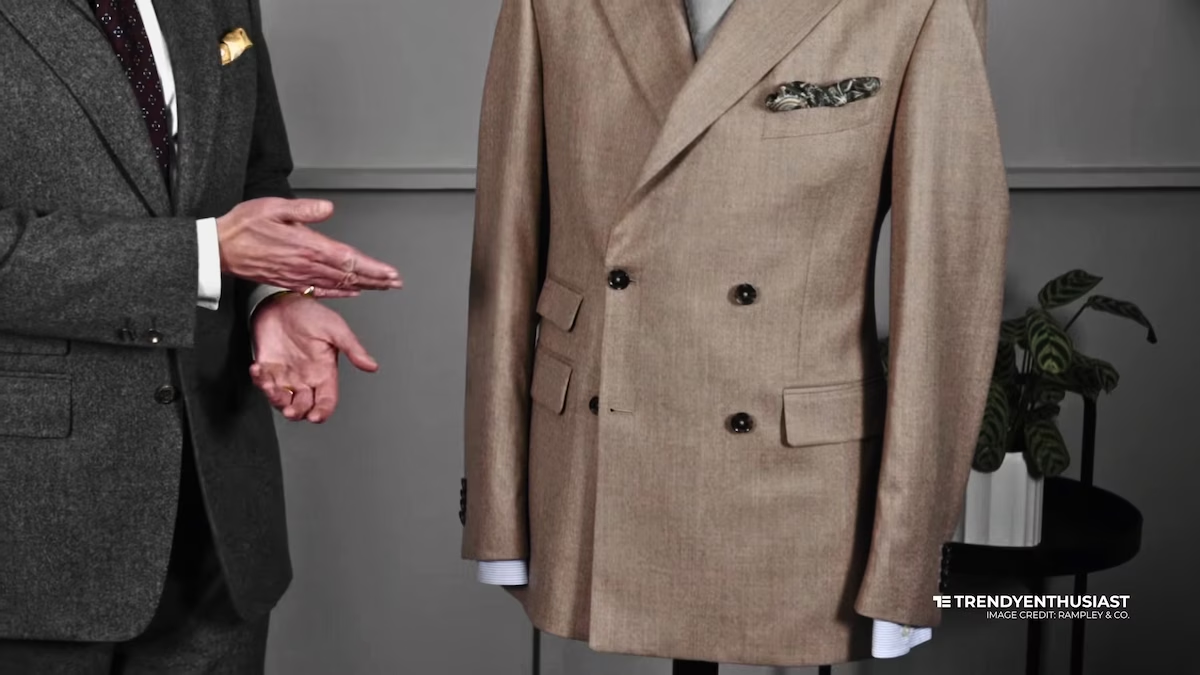
Double-breasted suit refers to a special coat or jacket design which features an overlapping front closure and two parallel columns of symmetrical buttons, creating a sharper, architectural fit.
When one side of the panels crosses over and fastens to a set of four to six (though typically only two or three are functional) this distinctive layout draws the eye upward.
This structure enhances the overall effect, especially since it is paired with peak lapels that emphasize the shoulders and add a refined, formal edge.
The History of Double-Breasted Suits
Let’s into the past to trace the origins of the double-breasted suit and its design back to 19th century British naval uniforms, where overlapping closures protected officers from cold sea air.
Over time, it became mainstream fashion, everyday wear, and a 1920s social norm for every walk of life from kings, prime ministers, and presidents at a formal event seeking a timeless look, to a regular man on the street.
Double-breasted suits were booming in 1930s and 1940s post-war America as a symbol of wealth and masculinity, their style and charm cemented by Hollywood stars and stage stars like Cary Grant and Clark Gable, later evolving into 1980s Wall Street power suits with bold pinstripes and padded shoulders.
Today, films like James Bond, Kingsman, and The Great Gatsby shine a spotlight on a 2020s tailoring revival, where tailors have enticed clients with a reimagined, sharper version that rivals the single-breasted jacket, featuring minimal padding, slimmer cuts, modern proportions, and luxurious fabrics that bring this fashion full circle for a contemporary audience.
Single vs Double-Breasted Suit: Side-by-Side
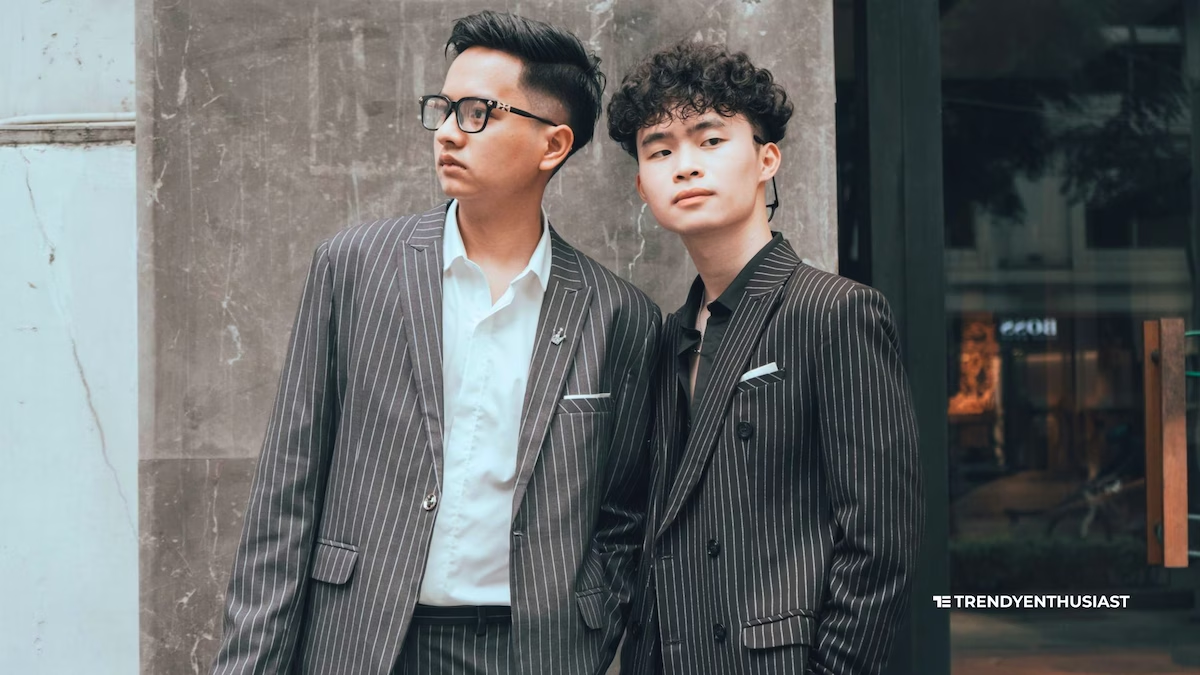
A single-breasted suit features a clean, minimal design with a narrow front panel, utilizing just one column of functioning buttons which creates a sleek silhouette that helps elongate the torso.
By contrast, double-breasted cuts utilize overlapping flaps and parallel rows of typically four or six buttons arranged in pairs, though half are purely an aesthetic choice leaving only one or two to be fastened.
I’ve found this structure naturally creates a broader, heavier appearance and visual weight, enhanced by strong peak lapels that draw the eye upward to emphasize the shoulders while you maintain its shape using an extra internal fabric jigger button when buttoned.
When making a comparison, a single suit is available for any occasion whereas the double-breasted type is associated with the more formal end of the menswear spectrum and almost always uses a peak or sometimes a shawl lapel.
Comparison
Single-Breasted
Double-Breasted
Front closure
One column of buttons, edges meet
Two columns, overlapping front
Formality
Versatile - casual to formal
Higher - formal to power dressing
Lapel pairing
Notch, peak, or shawl
Peak lapel (traditional standard)
Everyday versatility
Highest - the default for a reason
Lower - a statement piece
Buttoning rule
Can be worn open or closed
Stays buttoned when standing
Visual effect
Clean, streamlined
Broader chest, more structured
Double-Breasted Suit Button Configurations
DB suits feature two rows of buttons, defined by a “total display × functional” numbering system:
4×2 (Modern): 4 total buttons, 2 functional.
6×2 (Classic): 6 total buttons, 2 functional (lapel rolls to the top left).
4×1 (“Kent” Model): 4 total buttons, 1 functional (popularized by the Duke of Kent).
Unique Styles: 2×1 (minimalist) and 6×1 (long, sweeping lapel).
Overcoats: Typically utilize heavy-duty 6×3 or 8×4 setups.
Configuration
Look
Best For
4x2
Cleaner, more minimal front
Shorter builds, modern slim cuts
6x2
The classic, most timeless configuration
Most body types - the safe default
4x1
The kent, most timeless configuration
Duke of Kent Inspired
8-button
Bold, traditional, maximum presence
Taller or broader builds, confident dressers
You must decide on your button choice carefully; a six fastener layout is a bold option often seen on celebrities, especially with flashy brass detailing. Meanwhile, a standard 4-button design is a classic choice that offers a very clear and safe look for most jackets. Choosing anything else can be a risky move, so ensure the fastened layout fits your personal vibe perfectly.
When you are seated, always remember to unfasten the jacket for comfort and to stop any awkward pulling on the fabric. Once you stand up again, simply re-button the suit to restore its crisp shape.
The Tailored Fit
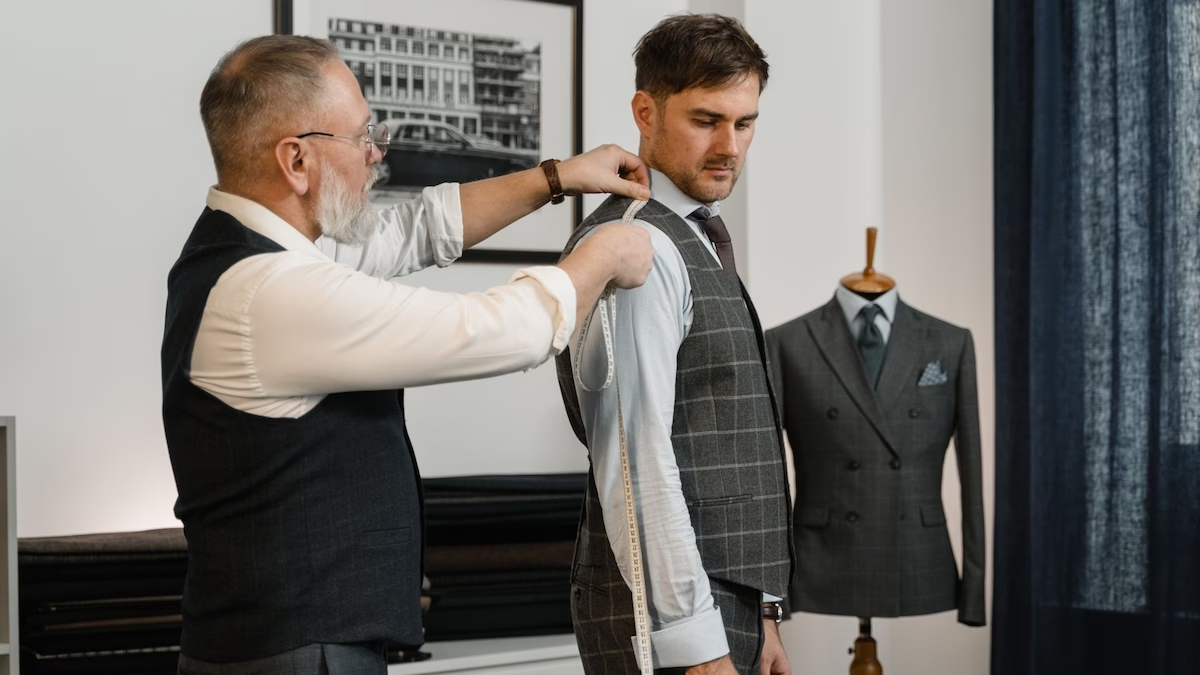
Unlike single-breasted jackets, a double-breasted (DB) suit features overlapping front panels for a strong visual presence. Precision is essential:
Silhouette: Needs a slim, tapered waist and contoured shoulders to avoid looking oversized.
Proportions: High armholes balance out broader lapels, and the jacket should flawlessly cover the seat.
Flattery: While especially striking on tall, thin figures, a well-structured DB suits a variety of body types.
Double-Breasted Suit Styling Rules
A double-breasted jacket has fewer open style decisions than a single-breasted one, because the construction is more tightly governed by tailoring convention:
Lapels – peak lapel is the traditional and correct pairing; the lapel’s width and upward angle are what visually balance the wide front panel
Pockets – straight, not slanted; ticket pockets don’t belong on a double-breasted jacket
Vents – side vents or no vent at all; no vent is the more traditional, formal option
Buttoning – keep it fastened while standing; unbutton only when seated. Leaving it open while standing causes the front panels to flap loose and lose their shape entirely
Fit – the front panel must lie completely flat with no pulling at the buttons and no gapping; fit matters more here than on any other jacket style because the overlap magnifies every flaw
Single-Breasted vs Double-Breasted: Which Should You Wear?
Choose single-breasted if:
You want one suit that works in the widest range of settings, from interviews to weddings
You’re building your first suit and want maximum flexibility
Your workplace culture favors understated, conventional tailoring
Choose double-breasted if:
You already own single-breasted suits and want a way to stand out without changing your whole wardrobe
You want a bolder, more deliberate silhouette for weddings, galas, or client-facing power settings
You have the build (or a good tailor) to carry a broader, more structured front panel
Neither is more “correct” for general business wear, most conservative workplaces accept a well-fitted double-breasted suit exactly as readily as a single-breasted one, provided the overall dress code already runs toward suits.
Does a Double-Breasted Suit Suit Every Body Type?
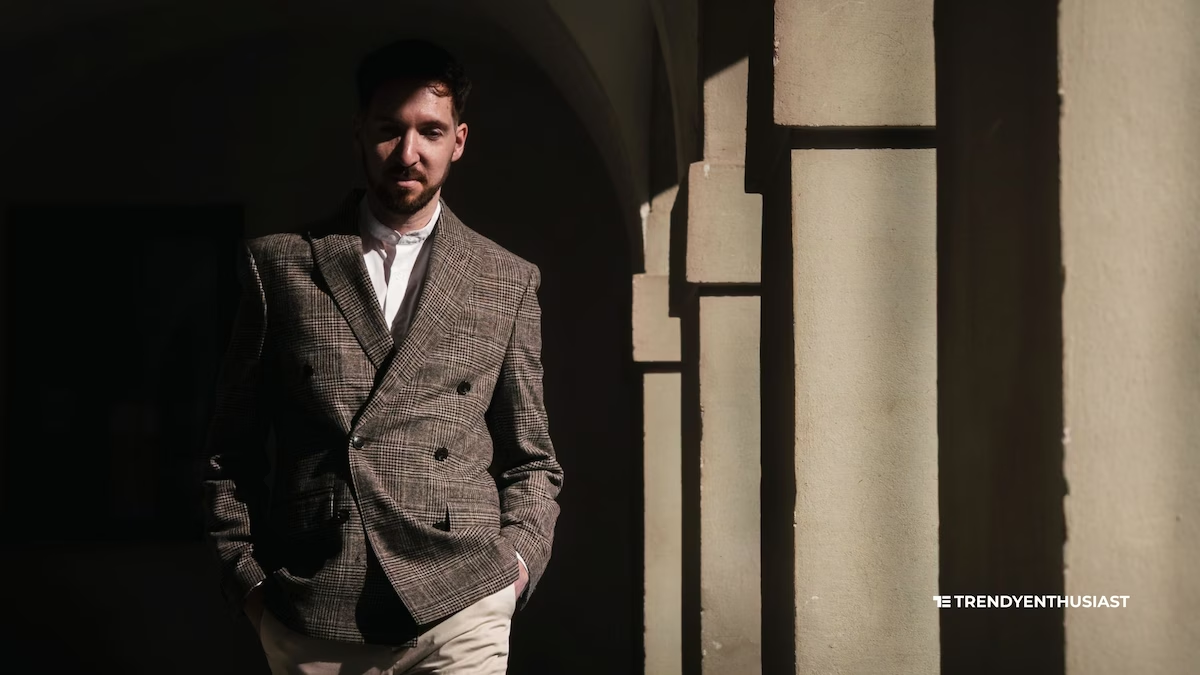
It’s often assumed double-breasted only works on tall, lean builds, but that’s an oversimplification. With correct tailoring i.e proper waist suppression, jacket length calibrated to your torso-to-leg ratio, and a button stance suited to your height, a double-breasted suit works across most body types.
Shorter men are often better served by a 4×2 configuration over a 6×2, since fewer buttons and a shorter visual break keep the proportions cleaner.
Men who are short or overweight should avoid double-breasted suits because the structured fabric overlap and horizontal button layout add unnecessary bulk to the midsection.
Double-breasted suits are absolutely ideal for tall, lean, and slim builds because the overlapping front and two rows of buttons instantly provide perceived width across the chest and shoulders.