
Messy Haircut Men: The Art of Looking Undone on Purpose

A messy haircut for men is a cut specifically designed to be styled with deliberate texture, movement, and controlled disorder giving the appearance of effortless, undone hair while requiring precise technique to achieve and maintain. The difference between a messy haircut that reads as sophisticated and one that reads as neglected is not the length, the product, or even the cut itself. It is intention. The Frenchman who steps out looking like he forgot to brush his hair spent seven minutes in front of the mirror. The man who looks genuinely unkempt spent none.
This guide covers the specific cuts, textures, lengths, and products that create intentionally undone hair — and the styling technique that makes the difference between looking like you tried too hard and looking like you never had to try at all.
What Makes a Messy Haircut Different From Just Messy Hair
This distinction is the foundation of everything that follows.
A messy haircut is a structured cut designed by a barber with specific lengths, layers, and texture points built into the hair that is then styled to appear relaxed and unfinished. The structure is invisible. The effortlessness is visible. That inversion is the entire point.
Unstructured messy hair — hair that simply has not been styled — lacks the deliberate movement, weight distribution, and texture separation that makes a messy haircut read as considered. Unstyled hair sits flat where it should have volume, clumps where it should have separation, and frizzes where it should have definition. The result is not the casual confidence of a man who does not need to try. It is the appearance of a man who did not bother.
Three things a properly executed messy haircut has that unstyled hair does not:
Deliberate weight distribution. The barber removes weight in specific places to allow sections of hair to fall and move in a way that looks natural but is actually engineered. Point-cutting, razor cutting, and texturising shears all serve this purpose.
Texture separation. Individual sections of hair are defined from each other — not fused into a uniform mass. This separation is what creates the lived-in, multi-dimensional look that distinguishes a considered messy haircut from hair that simply has not been combed.
Controlled volume. The messy haircut has volume in specific places — typically the top section and the fringe — and reduced volume at others, creating a visual hierarchy that the eye reads as intentional even when the overall impression is casual.
The Messy Haircut Men Spectrum: From Subtle to Statement
Not all messy haircuts operate at the same level of disorder. Understanding where on the spectrum you want to sit determines the cut, the product, and the technique.
The Soft Texture Cut
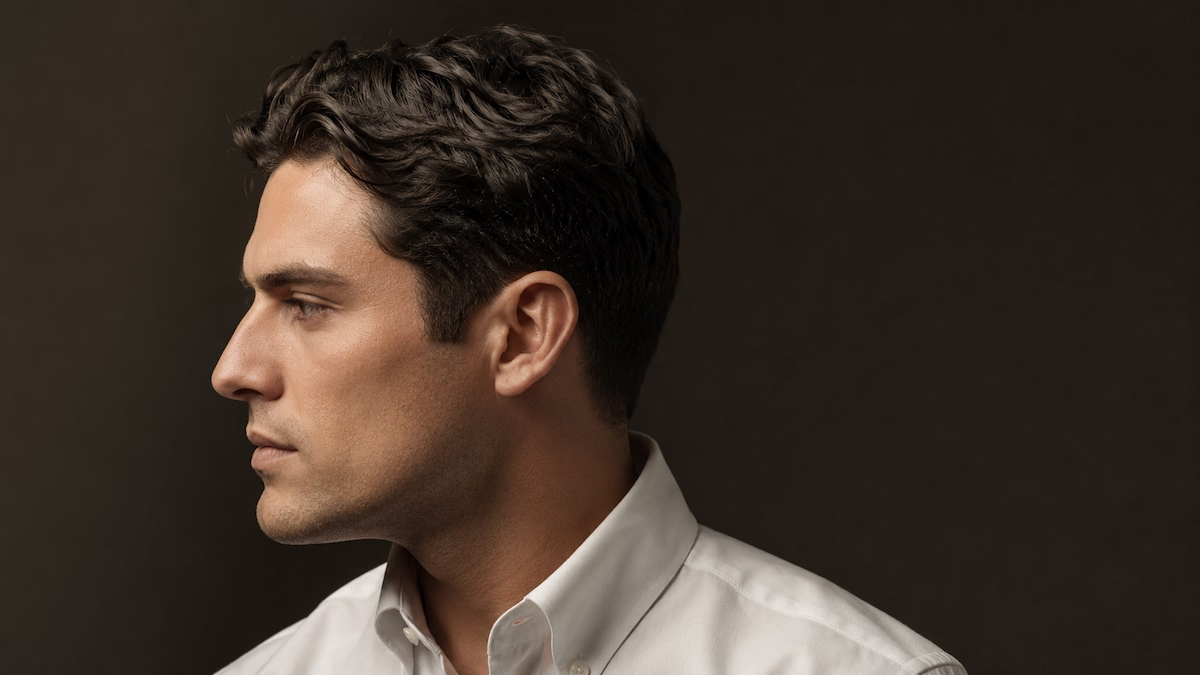
The most subtle entry point. A conventional short to medium length cut — side part, pushed-back, or forward-facing fringe — with texture points cut into the hair by the barber that create movement and prevent the flat, uniform look of a standard scissor cut. Styled with a light-hold matte product, it reads as naturally textured rather than deliberately messy.
Who it suits: Men who want the ease and modernity of a textured look without committing to visible disorder. Conservative professional environments. Men with finer hair where heavy texture risks looking sparse.
The Textured Crop
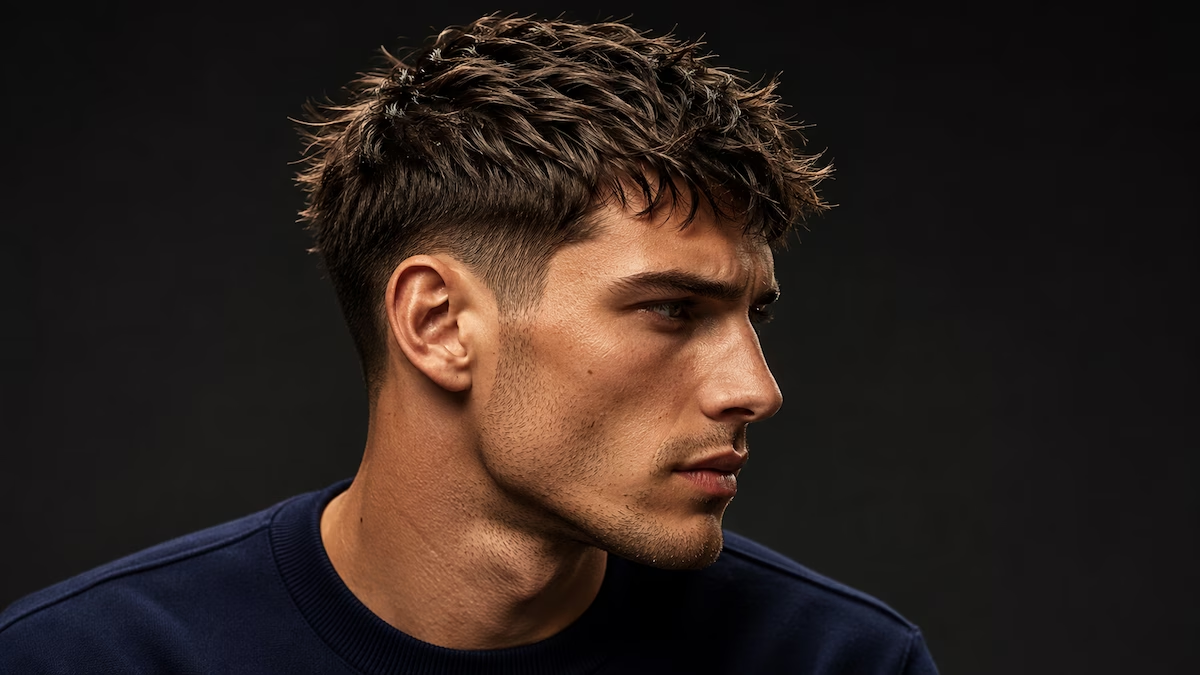
A short cut with length concentrated on top, textured through with point-cutting or a razor, and styled forward or to one side with a matte product. The fringe area has deliberate texture and separation; the sides are shorter — typically a low or mid taper — creating a clean frame for the deliberately undone top.
Who it suits: Most face shapes. Particularly effective on rounder faces where the forward-directed texture creates horizontal interest without adding problematic height. Works across most lifestyle contexts from office to weekend.
The Messy Quiff

The quiff structure volume and backward sweep at the front executed with texture rather than polish. Where a classic quiff uses a pomade for a smooth, structured finish, the messy quiff uses a matte clay or paste to create separation, movement, and deliberate imperfection at the tips. The overall shape reads as a quiff. The finish reads as effortless.
Who it suits: Men who want the face-opening, height-adding quality of a quiff without the formality or the high-maintenance appearance of the polished version. Works particularly well on oval and square face shapes.
For the complete guide to quiff variations and face shape matching, the Quiff Hairstyle for Men covers every version in detail.
The Bedhead Cut

The most deliberately undone version. Medium length on top — typically two to three inches — with significant texture cutting throughout, styled with a minimal amount of product to enhance natural movement without defining it too precisely. The hair appears to have dried in whatever position it chose. In reality, it was placed.
Who it suits: Men with naturally wavy or lightly curly hair, where the natural movement of the hair works with the styled disorder rather than against it. Men in creative, fashion, or style-forward environments. Men comfortable with the highest-maintenance version of a look that appears the lowest-maintenance.
The French Crop Messy

The cut most directly associated with the French approach to effortless style. A short-to-medium crop with a textured fringe that falls forward with deliberate irregularity not cut in a straight line, not styled to one side, but broken up with texture shears and allowed to sit with natural variation across the forehead.
The French crop messy is defined by restraint in both the cut and the styling. It does not strive for volume or height. It does not announce itself. It simply looks correct in the way that well-made clothes with no visible branding look correct you cannot point to exactly why, but the quality is unmistakable.
Who it suits: Men with oval, square, or heart-shaped faces. Most hair textures from straight to lightly wavy. The most versatile of the messy haircut spectrum in terms of professional appropriateness.
Which Textures and Lengths Work Best
The messy haircut is not equally achievable on all hair types. Understanding your hair’s natural texture determines which version of the look is attainable and which will always be a fight.
Straight hair: Works well with the textured crop and French crop messy. Requires more product to create and maintain separation and movement because the hair naturally falls flat. Sea salt spray applied to damp hair before blow-drying creates artificial texture that holds. The bedhead cut is more difficult on straight hair the natural movement is limited but achievable with the right layering and product combination.
Wavy hair: The most naturally suited texture for messy haircuts. The natural wave already provides movement, separation, and volume the cut and product simply refine and direct what is already there. All versions of the messy haircut are achievable on wavy hair with less product effort than straight hair requires.
Lightly curly hair: Works particularly well with the bedhead and French crop messy. The natural curl provides texture and definition that straight and wavy hair must simulate. The key is moisture curly hair requires a cream or lightweight oil to prevent frizz from overwhelming the deliberate disorder. A frizzy messy haircut reads as unkempt. A defined messy haircut reads as intentional.
Thick hair: Requires more significant weight removal from the barber. Thick hair without sufficient texture cutting becomes heavy and loses the lightness that makes the messy look work. Ask the barber specifically for point-cutting or thinning through the top section.
Fine hair: The most challenging texture for messy haircuts. Fine hair lacks the body to create the separation and volume the look requires. The soft texture cut and French crop messy are the most achievable versions. Sea salt spray is essential it adds grip and the appearance of texture that fine hair cannot produce naturally. Avoid heavy products that weigh the hair down further.
Ideal lengths: The messy haircut requires enough length to show movement and texture. The absolute minimum is approximately one inch on top enough for product to work with. The sweet spot for most versions is between one and a half and three inches on top. Beyond three inches, maintaining the deliberate disorder becomes significantly more time-consuming, and the line between intentional and unkempt becomes harder to hold.
The Right Product for Every Messy Style
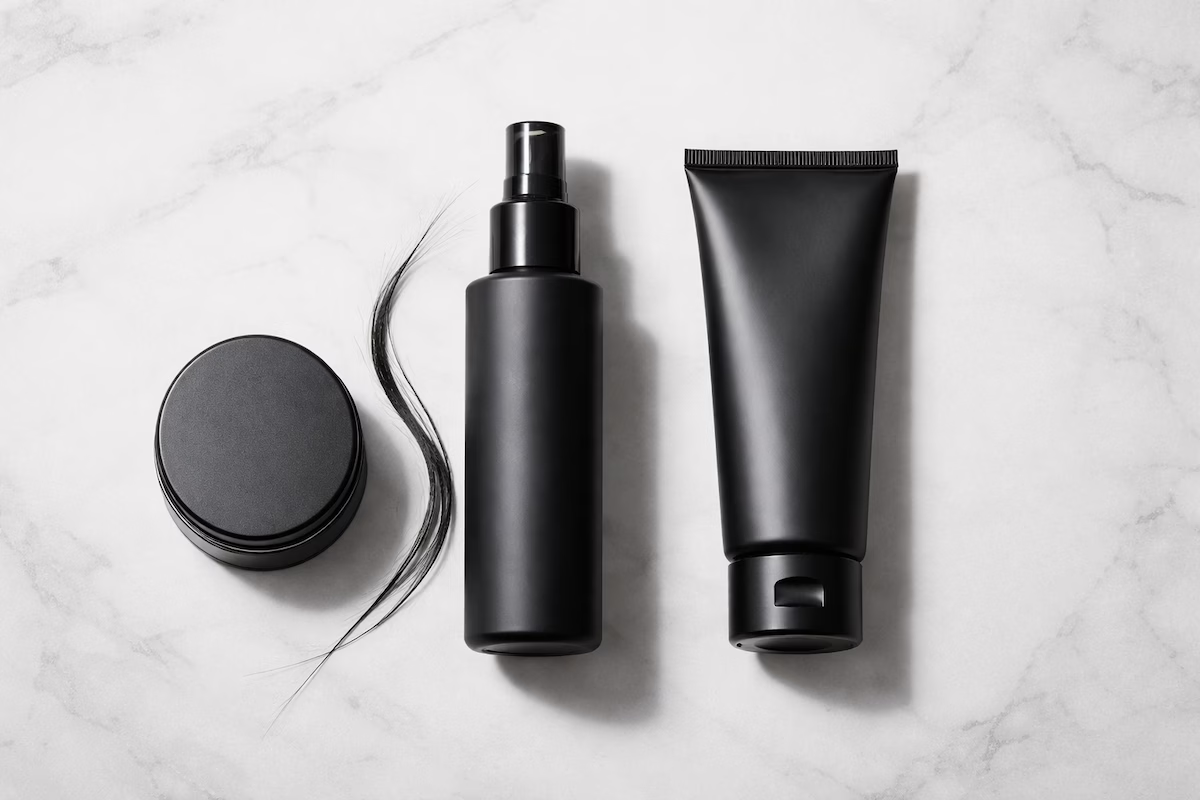
Product selection determines whether the messy haircut reads as sophisticated or simply unwashed. The principle is universal: matte finish, light to medium hold, applied sparingly.
Shine is the enemy of the messy haircut. A product with high shine any pomade, wax, or gel with a glossy finish immediately makes the hair look deliberately styled, which is the opposite of what the messy cut is trying to communicate. The finish should always be matte or natural.
Sea salt spray: The foundation product for messy hair. Applied to damp hair before styling, sea salt spray adds texture, grip, and the slight clumping that mimics the effect of dried ocean water on the hair which is precisely the reference point for most messy haircut aesthetics. Use it on damp hair, scrunch briefly, and allow to air dry or diffuse. Do not comb through after applying this removes the texture it creates.
Matte clay: The most versatile product for finished messy styling. Medium hold, zero shine, workable texture. Apply a small amount to dry hair, work between the palms to warm and emulsify, then work through the hair with fingers rather than a comb. Pull sections apart rather than smoothing them together. The separation is the finish.
Texturising paste: Similar to matte clay but with a lighter, more pliable hold. Better for finer hair or for men who want the messy look with less product presence. Apply the same way fingers, not a comb, separation not smoothing.
Lightweight styling cream: For wavy and curly hair types. Provides moisture and definition without the hold or matte finish of clay. Applied to damp hair and scrunched in, a styling cream defines the natural wave or curl and prevents frizz while allowing the hair to move freely. The result is the most naturally effortless version of the messy look.
What to avoid: Gel. Any product with alcohol high in the ingredients list. Heavy waxes. Anything that creates crunch, shine, or rigidity. The messy haircut lives and dies on softness and movement any product that fixes the hair in place kills both.
The Styling Technique: How to Create Controlled Chaos
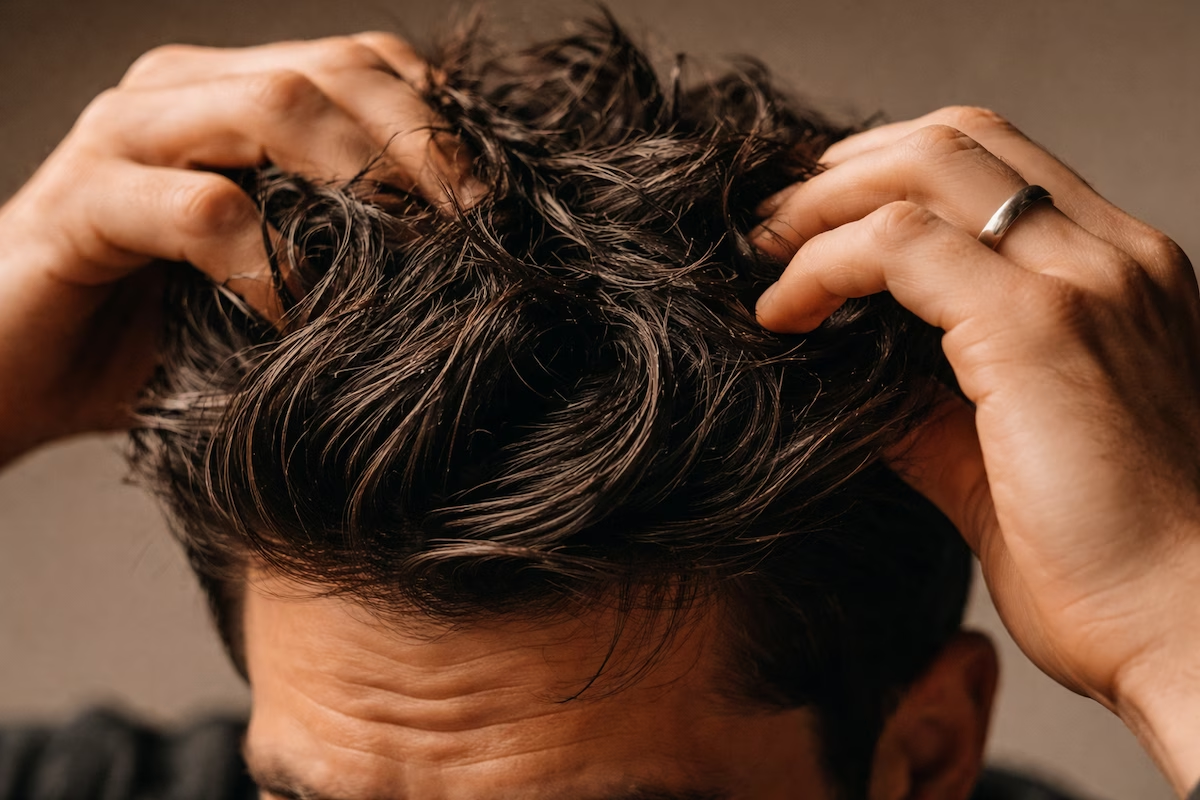
The product is only half of the equation. The technique is the other half and it is where most men go wrong.
For the textured crop and French crop messy:
The rule: Work with your fingers, not a comb. A comb smooths and aligns. Fingers separate and define. The messy haircut requires separation, not alignment.
Step 1 – Start damp, not wet. Towel dry after washing until the hair is damp not dripping, not bone dry. Damp hair distributes product evenly and allows the styling to set as the hair dries.
Step 2 – Apply sea salt spray first (optional but recommended). Spray lightly across the top section and fringe. Scrunch briefly with fingers. This creates the texture foundation that product builds on.
Step 3 – Blow dry with fingers. Using a hair dryer on a medium heat setting, run your fingers through the hair in the direction you want the final style to sit forward for a French crop, backward for a pushed-back look, upward briefly for volume. This shapes the dry structure before product is applied.
Step 4 – Apply matte clay to dry hair. Take a very small amount the size of a small pea for short hair, slightly more for medium warm it between your palms, and work it through the hair from root to tip using your fingers. Work section by section rather than all at once.
Step 5 – Create separation. Using fingertips, pull individual sections of hair apart from each other particularly in the fringe and top section. This is the step that creates the textured, multi-dimensional finish. Do not smooth. Do not pat down. Pull apart and leave.
Step 6 – Leave it alone. Resist the urge to keep touching. Every adjustment after the initial styling risks removing the texture and replacing it with a uniform, product-heavy mass. Style once, step away.
For the bedhead cut:
The bedhead requires the least product and the most restraint.
Apply a small amount of texturising paste or lightweight clay to slightly damp hair. Rather than directing the hair in any particular way, simply work the product through with fingers and allow the hair to fall in whatever direction it chooses. If sections fall awkwardly, adjust them minimally a single finger separating or redirecting, not a full re-style.
The goal is hair that looks as if it dried this way. Any visible evidence of styling undermines the result.
OUR FREE TOOL
Which messy hairstyle suits me?
Face shape, hair texture, and your real morning routine - answered in 7 questions. Get a personalised barber brief, product picks, and styles to avoid.
Match my hairstyle →What to Tell the Barber
Walking into a barbershop and asking for a “messy haircut” produces results ranging from a masterpiece to a mullet, depending entirely on which barber you get. Specificity is everything.
Tell the barber:
The length on top in inches. “Messy” is not a length. “Two inches on top with texture” is a length and a technique.
The texture technique you want. Ask specifically for point-cutting, razor cutting, or texturising shears through the top and fringe. These techniques remove weight and create the internal texture that makes the messy style work. A scissor-over-comb cut without additional texturising produces a uniform finish that product cannot easily replicate.
The fringe direction. Forward (French crop), to the side (textured side part), pushed back (messy quiff), or natural fall (bedhead). Each is a different cut.
The side length and taper. The sides of the messy haircut can range from a low taper to a skin fade depending on how much contrast you want between the top and sides. A low taper keeps the look conservative; a tighter fade creates more visual impact. For a full breakdown of taper options, the Taper Haircut Guide covers every level in detail.
Show a photograph. Always. A reference photograph removes every ambiguity and gives the barber the exact visual target.
Maintaining a Messy Haircut
The irony of the messy haircut is that it requires consistent maintenance to continue looking effortlessly unmaintained.
Barber visits: Every three to four weeks for most messy cut variations. The texture points built into the cut by the barber begin to grow out and lose definition beyond four weeks. The hair starts to look genuinely unkempt rather than deliberately undone — and the line between the two is exactly what you are trying to preserve.
Washing frequency: Two to three times per week for most hair types. Daily washing strips the natural oils that give the hair its texture and movement. Men with oily hair may need to wash more frequently the complete guide on managing oily hair is coming in the Groomed Man series and will address the specific challenges of styling textured hair on an oily scalp.
Between washes: A dry shampoo applied at the roots absorbs excess oil, adds grip, and refreshes the texture of the style without a full wash. Spray at the roots, massage in, and do not brush out leave the powder to work into the scalp and style as normal.
Product buildup: Matte clays and pastes can accumulate on the scalp and hair shaft with repeated daily use. A clarifying shampoo used once per week removes the buildup and restores the hair’s natural texture and movement. Without it, the hair progressively loses the responsiveness to styling that the messy look depends on.
If you are applying beard oil as part of your grooming routine which conditions the skin underneath facial hair and prevents the dryness and itchiness that derails most men’s attempts at growing a beard ensure you are applying it correctly before turning attention to the hair. A well-maintained beard and a well-executed messy haircut belong to the same grooming philosophy: deliberate and considered, but never effortful in appearance. The complete technique is in How to Use Beard Oil Properly.
The French Philosophy of Effortlessness
The messy haircut is, at its philosophical core, a French invention.
Not in the technical sense textured cuts exist across every barbering tradition. But the specific attitude toward appearance that the messy haircut embodies the refusal to appear to be trying, the studied nonchalance, the conviction that visible effort is somehow less sophisticated than its absence — is a distinctly French sensibility that has influenced global menswear and grooming for decades.
The French term is je ne sais quoi a quality that cannot be precisely defined but is unmistakably present. In the context of hair, it means a man who looks correct without appearing to have worked at it. The product is invisible. The technique left no fingerprints. The result looks inevitable rather than achieved.
Getting there requires more technique than most men expect and less product than most men use. It requires a barber who understands texture cutting, a product that disappears into the hair rather than sitting on top of it, and the discipline to stop styling before the result tips from effortless into effortful.
Getting the cut right is half the work — the other half is the grooming system underneath it. For everything from scalp health to beard maintenance to fragrance, see The Modern Man’s Grooming Guide.
Continue in the Groomed Man series: The Quiff Hairstyle for Men | The Taper Haircut for Men | Mens Messy Hairstyles
Frequently Asked Questions
A messy haircut for men is a structured cut — designed by a barber with deliberate texture points, weight removal, and length distribution — that is styled to appear casual, undone, and effortlessly textured. It is different from simply unstyled hair: the barber builds movement and separation into the cut itself, which product and technique then enhance rather than create from scratch. To style it, apply a small amount of matte clay or texturising paste to dry or slightly damp hair, work through with fingers rather than a comb, and pull sections apart to create separation. The key principle is matte finish, light hold, and deliberate separation over smoothing.
A messy haircut has deliberate structure — specific lengths, texture points, and weight distribution built in by the barber — that creates controlled disorder when styled. Unstyled messy hair lacks this structure and typically reads as unkempt rather than intentional. The distinction is visible: a messy haircut has defined texture separation, controlled volume in the right places, and movement that looks natural but is engineered. Unstyled hair clumps, sits flat, and lacks the multi-dimensional quality that makes the messy look appear considered.
The best products for a messy hairstyle are matte clay, texturising paste, sea salt spray, and lightweight styling cream depending on hair type. The universal rule is matte finish — shine immediately makes hair look deliberately styled, which undermines the effortless quality the messy look requires. Sea salt spray applied to damp hair before blow-drying creates texture and grip. Matte clay or paste applied to dry hair with fingers creates separation and hold. Use less product than feels necessary — over-application is the most common mistake.
Most face shapes suit a messy haircut when matched to the right variation. Oval faces work with all versions. Round faces benefit from the textured crop or messy quiff, where forward-directed texture and some height counter the face’s roundness. Square faces suit the French crop messy or soft texture cut, which soften the angular jaw without amplifying it. Longer or oblong faces work best with the French crop or bedhead cut, which add width rather than height. Heart-shaped faces suit the textured crop with a fringe that breaks up the width at the forehead.
Every three to four weeks. The texture points and weight removal that the barber builds into the cut begin to grow out beyond four weeks, and the hair starts to look genuinely unkempt rather than deliberately undone. The messy haircut requires regular maintenance specifically because the line between intentional disorder and actual neglect is precise — and it shifts as the hair grows. Most men find that a three-week schedule keeps the cut in its optimal condition consistently.
Further Reading



Ali Taimour
Ali Taimour is the founder and editor of Trendy Enthusiast, a men's digital publication dedicated to fashion, grooming, lifestyle, and culture.
Connect on Instagram