The Quiff Hairstyle: Most Men Pick the Wrong Version for Their Face
What is Quiff Hairstyle?
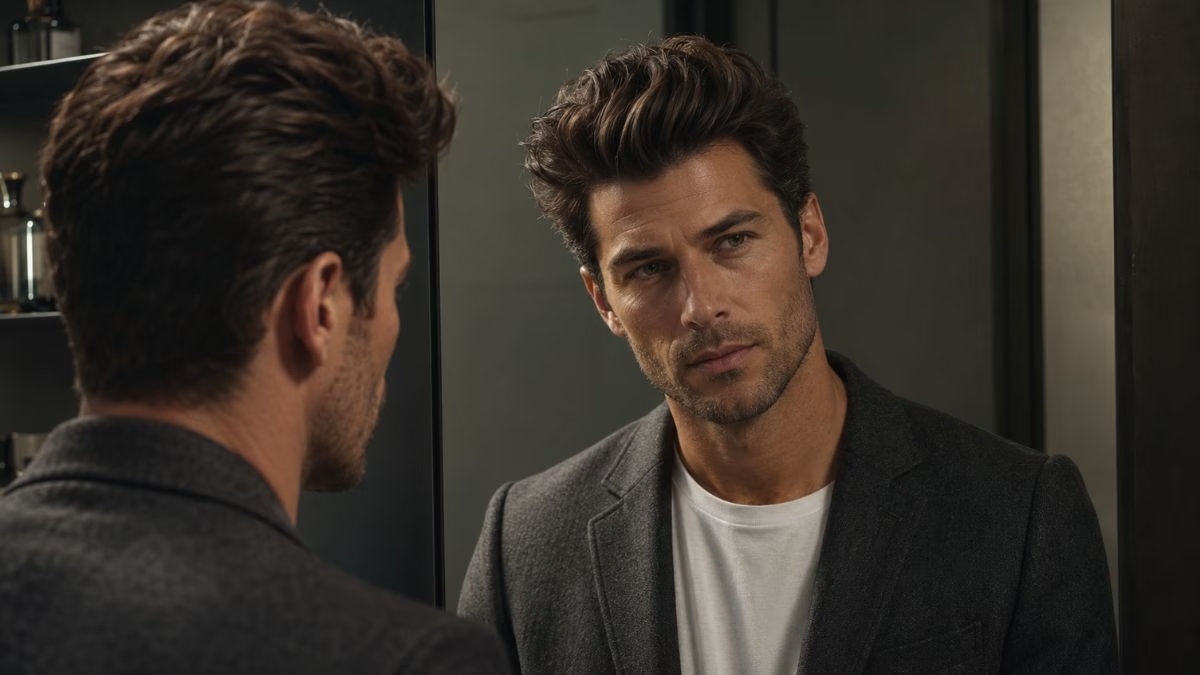
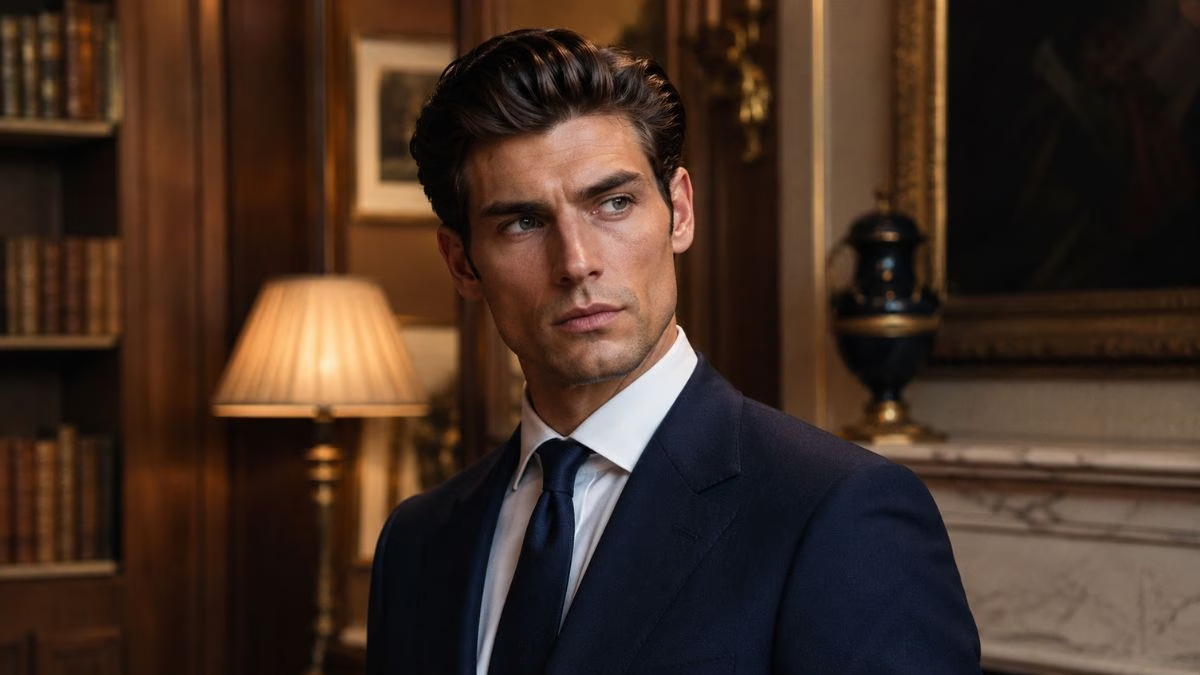
A quiff hairstyle is a men’s cut where the hair at the front is styled upward and back creating volume and height at the forehead while the sides are cut shorter to contrast with the length on top. It suits most face shapes when matched correctly to the right variation: the classic quiff works for oval and square faces, the textured quiff flatters rounder faces, and the high quiff elongates broader or shorter face shapes. The sides can be left natural, tapered, or faded depending on how sharp the overall finish needs to be.
It is one of the most versatile cuts in men’s grooming. The quiff sits across a wide range of styles from the sharp, slicked version on a suited man to the loose, textured look that belongs in a creative workplace or a weekend setting. Getting it right is a question of knowing which version you’re actually after and whether it suits the face in the mirror.
What Makes a Quiff a Quiff ?
Before choosing a type, it helps to understand what structurally defines the style because several haircuts use the word loosely without meeting the actual definition.
A true quiff has three elements:
Volume at the front. The hair at the hairline is styled upward and backward, creating a visible rise at the forehead. This is the defining characteristic. Without height at the front, the cut is simply a side-part or a slicked-back style, not a quiff.
Shorter sides. The contrast between the length on top and the reduced length at the sides is what creates the silhouette. Sides can be cut anywhere from a skin fade to a natural taper, but they must be shorter than the top.
Direction. The hair sweeps backward from the front, not forward. A fringe that falls over the forehead is a fringe. Hair pushed straight up is a pompadour. The quiff has a backward, upward direction – it opens the face rather than covering it.
Everything else texture, height, fade type, product finish is variation within those three fixed parameters.
The Main Types of Quiff
The Classic Quiff
The original. Hair at the front combed upward and back with a smooth, polished finish think early rock and roll, 1950s barbershop, reinterpreted for the modern well-dressed man. The classic quiff uses a medium-hold pomade or cream to achieve its clean, structured look.
It suits: square jaw lines, defined features, men who wear their hair as part of a polished overall appearance. It reads as intentional and groomed without being fussy.
It does not suit: very fine hair that loses volume within the hour, or highly casual dress codes where the precision of the style creates a visual mismatch.
The Textured Quiff
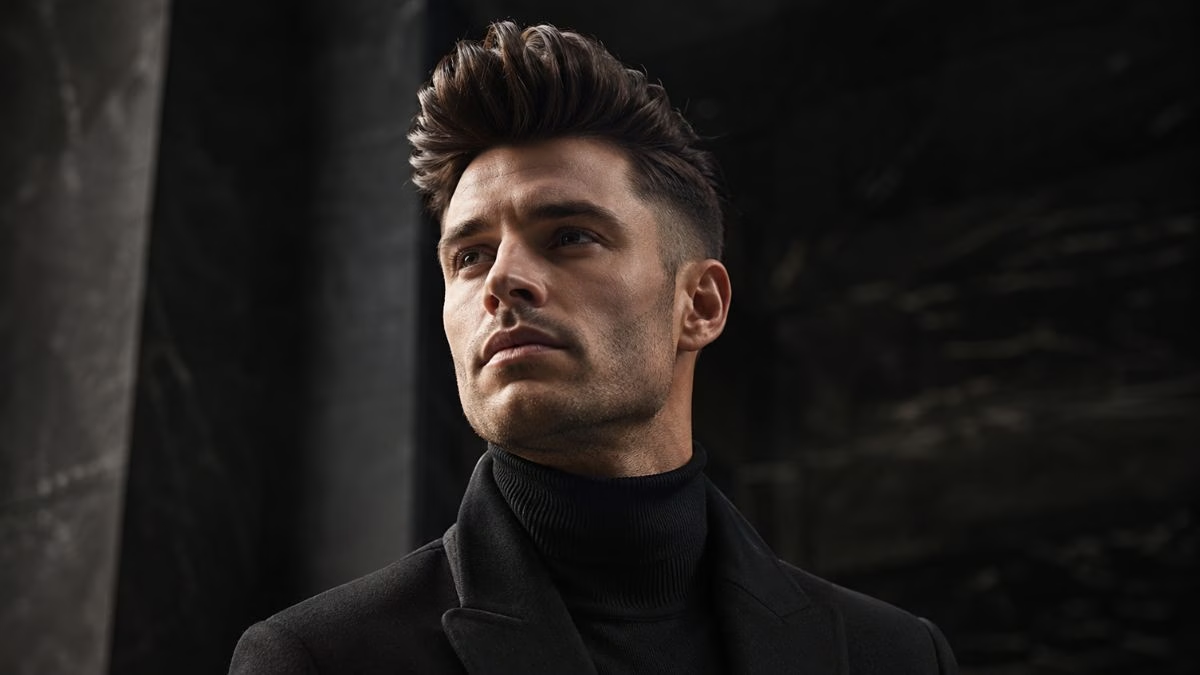
The most versatile version and the most wearable in 2026. Same structure as the classic, but with the smooth finish replaced by deliberate texture separation between sections, a slightly undone quality at the tips, natural movement rather than a lacquered hold.
The textured quiff is achieved with a matte clay, a texturising paste, or a sea salt spray used before a light hold product. It works for most hair types including straight, wavy, and lightly curly hair.
It suits: round and oval faces particularly well, the textured volume creates width and height that flatters rounder features. It also suits most lifestyle contexts, from an office environment to a weekend out.
The High Quiff
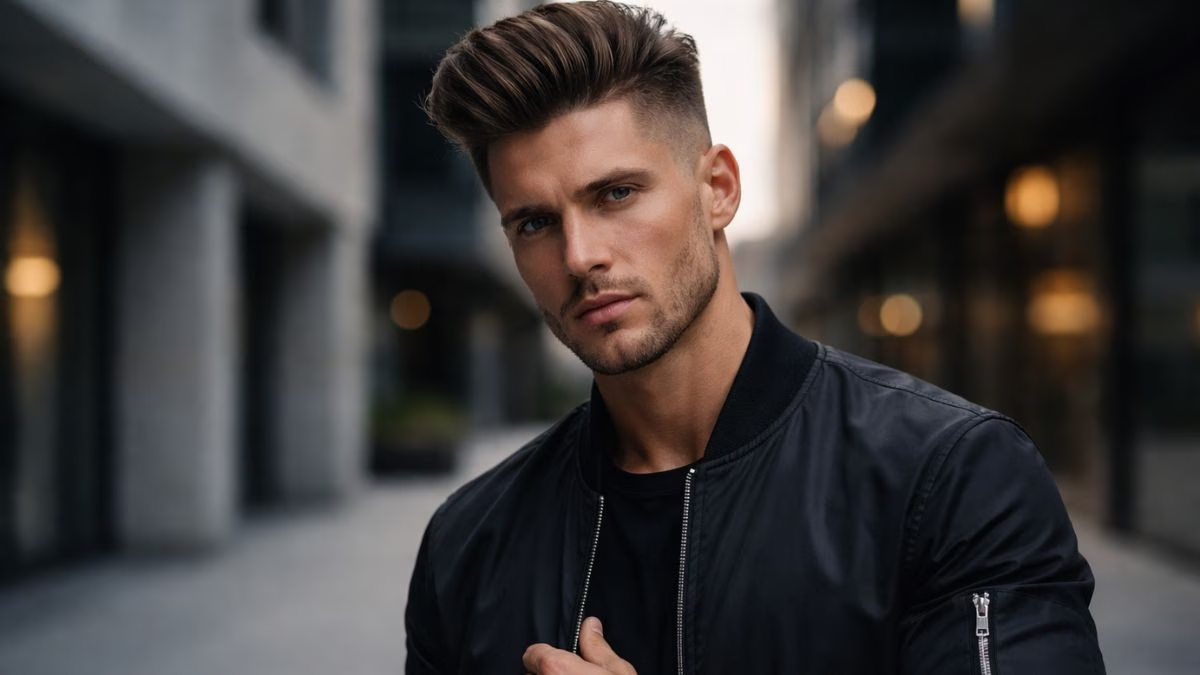
The most dramatic version. Height is maximised – the front section is blown dry upward with a round brush or diffuser to create significant volume before product is applied. The sides are typically faded or tightly cropped to maximise the contrast.
The high quiff elongates the face vertically. It works well for men with broader or wider face shapes where added height is a visual asset. It can overwhelm a longer face shape, making it appear disproportionately tall.
Product choices matter more here. A strong-hold clay or a volumising mousse under a medium-hold pomade gives the height the structure to last. Without the right product foundation, a high quiff collapses by midday.
The Disconnected Quiff
A sharper, more modern take – the transition between the top length and the sides is an abrupt disconnection rather than a graduated fade. The sides are typically buzzed short, creating a visible line between the longer top and the closely cut sides.
This version is the most striking and the most context-specific. It works in creative industries, modern urban settings, and on men who want a cut that makes a statement. It is less suitable for conservative professional environments where the severity of the contrast reads as too bold.
The Soft Quiff
The most subtle entry point. Minimal height, a natural finish, and a light product hold. The hair at the front has a slight upward sweep rather than a full-height lift it reads as styled without being overtly so.
The soft quiff suits men who want the shape and face-opening quality of the quiff without committing to the full height or structure of the other versions. It works for fine hair that cannot support the volume of a high or classic quiff, and for face shapes where adding height works against the proportions.
Which Quiff Suits Which Face Shape?
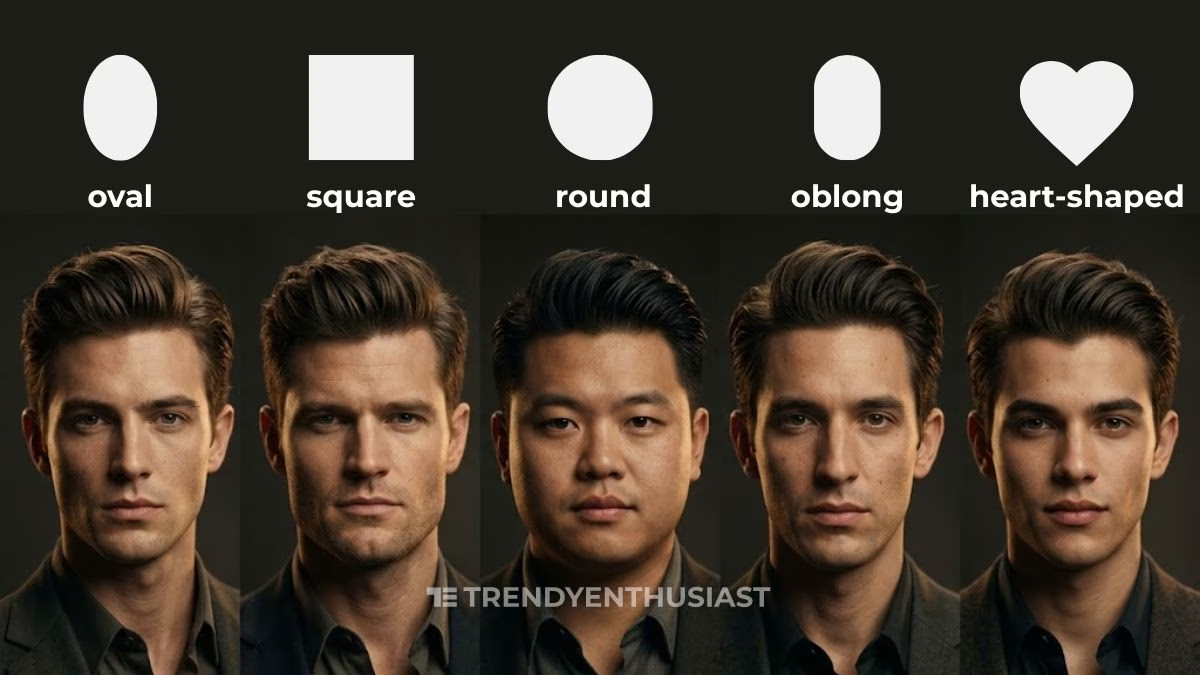
This is the question most men skip and most barbers answer too quickly. The right quiff variation is largely a function of your face shape, and getting it wrong produces a result that looks technically correct but visually off.
Oval face
The most versatile. Works with any quiff variation. The textured quiff and classic quiff both perform well. Avoid excessive height if your face is already on the longer side.
Square face
Benefits from the classic or textured quiff. The upward direction of the quiff emphasises the jaw line, which on a square face is already the defining feature. Keep the sides relatively natural rather than tightly faded; a skin fade on a square face can make the jawline look heavy.
Round face
The high quiff or textured quiff. Both add vertical height that lengthens the face visually. A tighter fade on the sides further emphasises the height. Avoid the soft quiff – minimal height accentuates the roundness rather than countering it.
Oblong / longer face
The soft quiff or textured quiff with minimal height. Avoid the high quiff entirely adding vertical height to a longer face shape amplifies the length. Textured volume at the sides rather than the top is a better approach.
Heart face (wider forehead, narrower jaw)
The textured quiff works well here because the texture breaks up the visual width at the top. Keep the sides from being too tight – a tight fade on a heart-shaped face over-emphasises the width at the temples.
If you want to match your face shape, frame, and proportions to a broader wardrobe and style system – not just the haircut – the Body Shape Matcher does that precisely. It takes your measurements and builds a 12-piece personalised capsule wardrobe based on your actual proportions, so the clothes and the haircut are working from the same visual logic.
What to Tell the Barber
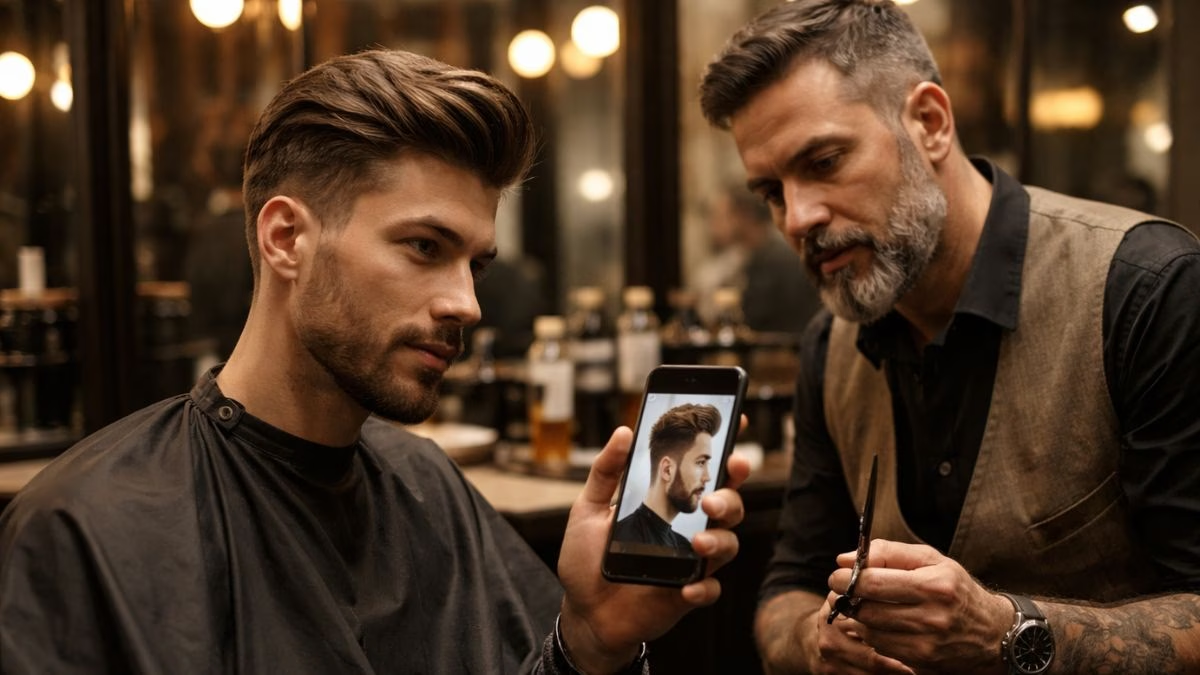
The single most common failure point in getting a quiff right is the communication in the barber’s chair. Saying “I want a quiff” is the beginning of a conversation, not a complete instruction.
Here is what the barber actually needs to know:
Which variation: Classic, textured, high, disconnected, or soft. Use the terms. If you’re unsure, describe the finish – polished vs natural, sharp vs relaxed.
The sides: Specify the length and the graduation style. Do you want a skin fade, a low taper, a mid taper, or a natural taper that leaves more length at the sides? The fade type changes the overall character of the quiff significantly. For reference on taper options, the distinction between a low, mid, and high taper is worth understanding before you sit down.
The length on top: If you have a reference photo, use it. A “medium length” on top means different things to different barbers. Three inches is three inches.
The finish: Matte or shine? Structured or textured? Tight or loose? These are finish questions the barber needs to understand in order to cut the right shape – a high quiff that will be worn with matte clay needs more length on top than one worn with a pomade.
Show a photo if you have one: Showing a photo is not a failure of communication. It is clear communication. Every barber in the country would rather work from a photo than spend ten minutes interpreting vague requests.
Want the exact barber script instead of guessing how to describe this? The Hairstyle Matcher generates one you can copy and take straight to your appointment.
Products That Hold a Quiff All Day
The product determines how long the style survives and how it looks by hour six. Most men use the wrong product for the result they want.
For a classic, polished quiff: A medium-hold pomade with a medium shine. Apply to dry hair. Work a small amount between your palms, then press through the hair from back to front and comb into the desired shape. Water-soluble pomades (not oil-based) wash out more easily and are better for daily use.
For a textured quiff: A matte clay with medium hold. Apply to slightly damp or dry hair, work through with fingers rather than a comb. The clay gives separation and texture without making the hair look product-heavy. Finish with a light mist of hairspray if the style needs to last through a long day.
For a high quiff: Build from the foundation up. Apply a volumising mousse to damp hair before blow-drying. Blow dry upward and back with a round brush or directional nozzle to build the height into the hair itself, not just the product on top of it. Then apply a medium-to-strong hold clay or pomade to lock the shape. Without the blow-dry foundation, product alone rarely produces enough height to last.
For a soft quiff: A light-hold cream or a small amount of texturising paste. Apply sparingly – the soft quiff is designed to look like it’s barely there. Over-applying product defeats the purpose.
The universal rule: less product than you think, applied to dry hair, worked from the back of the product-free section toward the front. Product at the roots creates volume. Product only at the tips creates a heavy, separated look that doesn’t resemble a quiff.
The Quiff and the Fade: Getting the Combination Right
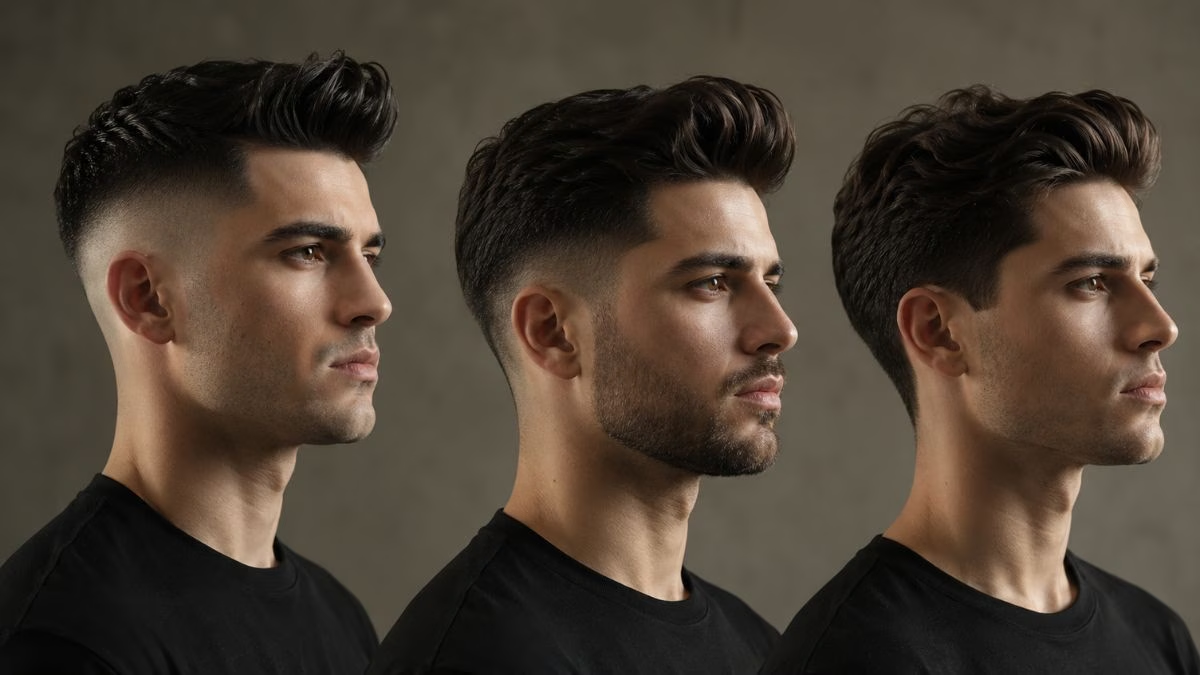
The relationship between the quiff and the fade is where many modern versions of this cut live or die. The fade style – how steeply and at what height the sides are reduced – determines the overall character of the quiff as much as the top does.
A skin fade produces the maximum contrast and the sharpest result. It suits the high quiff and the disconnected quiff versions where that contrast is intentional.
A low fade keeps more weight at the sides, producing a subtler transition. It works well with the classic and textured quiff, and in professional contexts where a skin fade would look too bold.
A natural taper – where the sides are cut shorter but not faded to skin – gives the most conservative result. It suits the soft quiff and any context where the overall style needs to read as understated. Still confused? Read out full guide here: The Gentleman’s Guide to Taper Haircuts: Low, Mid and High Explained
The interaction between the fade level and the face shape also matters. If you’re building height to counter a round face, a tighter fade increases that effect. If you’re keeping height low for a longer face, a natural taper keeps the proportions in check.
A quiff at its best in week two is still a quiff. At week five without maintenance, it’s a vague memory of one.
The shape begins to lose its integrity at the sides first – the fade grows out and the contrast that defines the quiff starts to flatten. Most men should book a maintenance appointment every three to four weeks to keep the sides and fade in condition. The top length can grow longer without much degradation; it’s the sides that dictate when the cut needs refreshing.
Between barber visits:
Use a good-quality shampoo and conditioner not the same two-in-one product. Conditioner used on the top section keeps the hair manageable and reduces frizz without making it limp. Avoid applying conditioner to the roots if your hair is fine and you need volume.
Let the hair air-dry or use a low heat setting on the blow-dryer. High heat on the top section, used daily, weakens the hair shaft over time and makes it progressively harder to hold a style.
A well-executed quiff is the visible result of several things working together — scalp health, the right product, and a grooming routine that supports it. The complete framework is in The Modern Man’s Grooming Guide.
A quiff is a men’s hairstyle where the front section of hair is styled upward and swept backward, creating volume and height at the forehead. The sides are cut shorter than the top to create contrast.
Most face shapes can wear a quiff when matched to the right variation. Oval faces suit most versions. Round faces benefit from the high or textured quiff, which adds vertical height. Square faces work well with the classic or textured quiff.
Both styles feature volume at the front of the head, but the direction is different. A quiff sweeps the hair backward and upward, opening the forehead and creating height that recedes toward the crown. A pompadour pushes the hair upward and forward or sweeps it back with more height at the front and a more structured, rounded shape.
Tell the barber which variation you want – classic, textured, high, soft, or disconnected. Specify the fade type: skin fade for maximum contrast, low or mid fade for a subtler transition, natural taper for the most conservative result.
Every three to four weeks for most men. The fade or taper at the sides loses its sharpness first, the top length is more forgiving and can grow longer without significantly degrading the style.