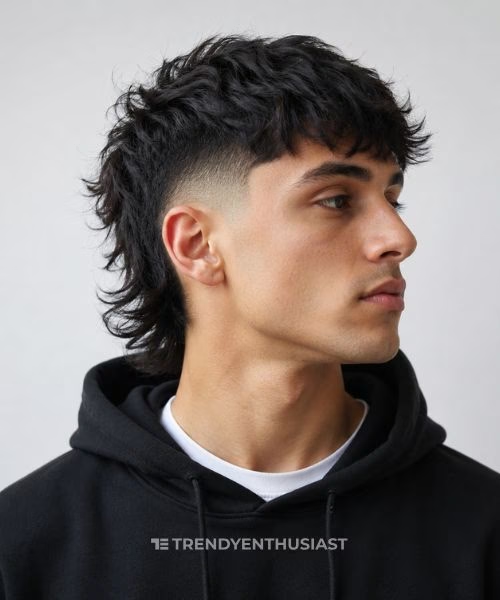
A mullet is a haircut that’s short at the front and sides and noticeably longer at the back, the style behind the phrase “business in the front, party in the back.” It’s one of the oldest documented haircut shapes in history, worn by ancient Greek and Roman soldiers for practical reasons long before it became a 1980s pop-culture icon, and it’s currently in the middle of one of its biggest revivals yet.
That’s the short version. Here’s everything else: where the word actually comes from, the haircut’s genuinely ancient origins, its full rise-fall-revival arc, and whether one would suit you.
For the modern styling breakdown every current variation, fade type, and how to choose yours, see the full Modern Mullet guide.
A mullet is defined by one structural feature: a significant length difference between the front/sides and the back of the head, with the back left noticeably longer. Traditionally that meant short, cropped hair around the face and ears with long, often unlayered hair left to grow past the collar at the back. The modern version keeps that same core shape but softens the execution with blended fades, deliberate layering, and texture that the original cut never had.
The haircut is older than its name by centuries. It went by other labels first including “the bi-level” in the 1970s and 80s, and “the Kentucky Waterfall” as a regional nickname before the word “mullet” entered common use at all.
The term “mullet” was coined in 1994, credited directly to the Beastie Boys’ song “Mullet Head” and a six-page feature in their Grand Royal magazine that catalogued regional nicknames for the cut. Before that single song, nobody actually called the haircut a “mullet” it existed for millennia under other names or no name at all. It’s a strange piece of etymology: one of the most recognizable haircuts in history didn’t have its now-universal name until a hip-hop group gave it one.
Yes. Genuinely, verifiably ancient. Long before the 1980s, short-front/long-back haircuts were common among warriors across multiple civilizations, and for a specific practical reason: long hair at the back protected the neck from cold and from blows in combat, while short hair at the front and sides kept vision clear and denied an opponent something to grab.
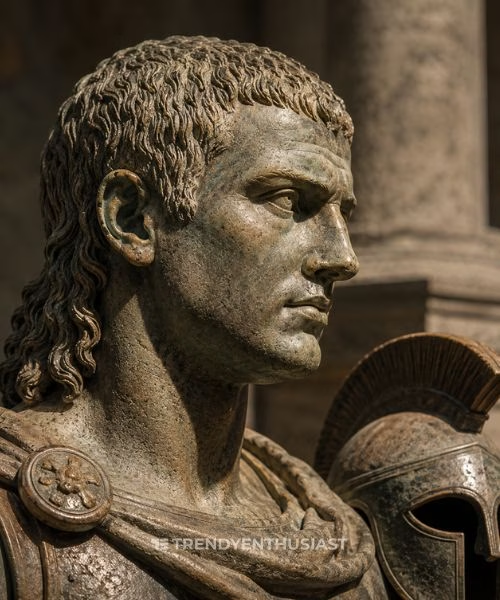
Ancient Greece: As a hair stylist, I’ve traced how the mullet origins served practical and ceremonial purposes in history, long before it was recognised in the late 20th century. Earliest depictions from ancient Greece show Greek warriors sported a mullet-like haircut style; keeping hair short at the front kept their vision clear in battle, while leaving it long at the back offered a smart design for protecting their necks from cold and strikes.
Roman Empire: Appreciating this cut’s practicality and ruggedness, ancient Rome’s soldiers adopted a similar hairstyle. In my styling work, I’ve noted how indigenous cultures throughout history also worn mullet-like styles; Nomadic tribes in Central Asia and Native American groups maintained this practical look, blending weather protection with a distinctive aesthetic.
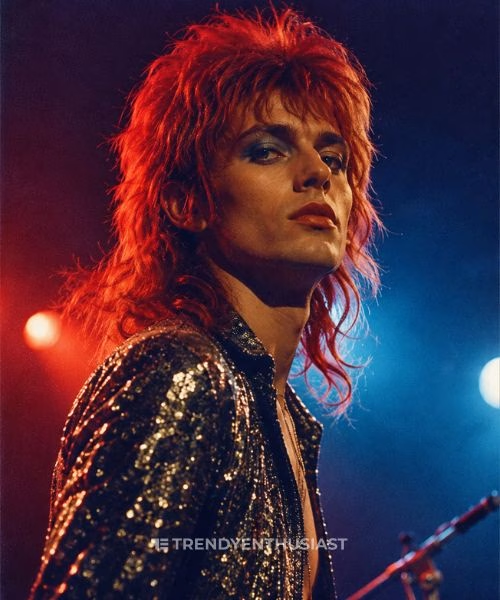
David Bowie: The mullet as we know it today first emerged during the 1970s, a time when musicians and subcultures embraced it as a symbol of rebellion and countercultural identity. From my professional styling perspective, David Bowie was the iconic figure primarily responsible for the mullet’s modern resurgence; in 1972, during his Ziggy Stardust era, he sported a striking red look, blending glam rock with androgyny , a flamboyant, edgy, and futuristic vision that introduced the world to this avant-garde idea.
Paul McCartney: Around that same time, Paul McCartney adopted a less extreme version of the mullet, helping cement its place in mainstream pop culture.
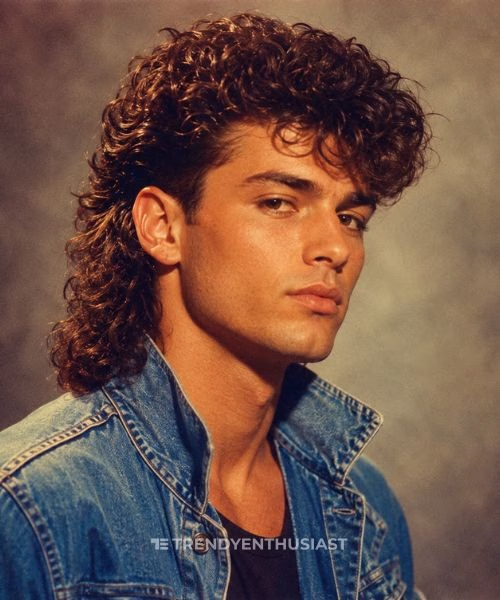
Rock Stars and Musicians: The 1980s era saw the mullet truly explode into popular culture, quickly becoming the hairstyle choice for everyone from rock stars to athletes as it became a household term. In my years of salon styling experience, I saw firsthand how heavy metal musicians and iconic rock stars like Billy Ray Cyrus, Bono, and members of Mötley Crüe embraced and sported the mullet proudly, helping solidify its rebellious association with rock ‘n’ roll culture.
Film and Television: During this 1980s decade, athletes across North America also embraced the style, as baseball stars and ice hockey players adopted the cut, most notably Wayne Gretzky, one of hockey’s greatest players, who famously wore a mullet during his peak years as a symbol of sporting prowess. The mullet then dominated pop culture through films and TV shows, where Patrick Swayze in Road House and Mel Gibson in Lethal Weapon gave the mullet a Hollywood stamp of approval, portraying it as a ultimate symbol of masculinity, strength, and rebellion.
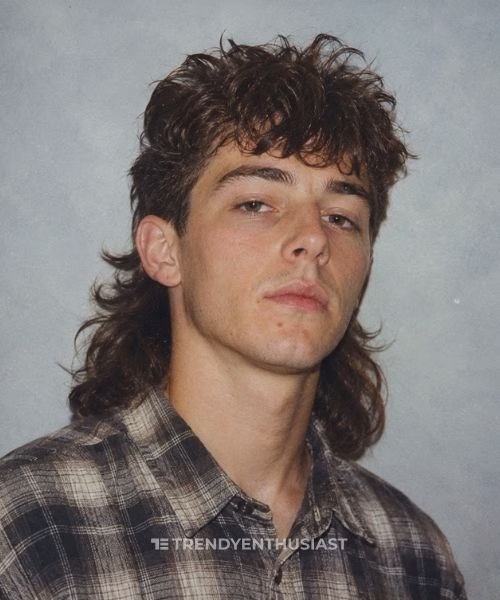
Ultimately, by the end of the 1990s, it was clear from a styling perspective that the glory days of the mullet were rapidly coming to a close. It quickly became associated with tackiness and was frequently ridiculed across popular media.
The Achy Breaky Era: In my years of studying hair trends, I watched how Billy Ray Cyrus and his 1992 hit “Achy Breaky Heart” instantly rocketed him to stardom, where his country-style version of the haircut helped pigeonhole the mullet as a symbol of rural, blue-collar culture. This iconic look became entirely synonymous with him.
Comedic Tropes: As the 90s progressed, the hairstyle became a running joke through various Comedic Tropes on television, shifting how people viewed the cut:
Overall, my experience in the industry confirms that the 2000s were simply not kind to the mullet. Throughout this particular period, the once-revered style firmly became a global punchline rather than a serious fashion choice.
Ironic Fashion: Even with all this online mockery, I was fascinated to see that the mullet never fully disappeared from the streets. Instead, people began to wear the cut ironically, leaning heavily into its bad taste reputation while openly revelling in its sheer absurdity.
Internet Humour: As I spent time observing early digital trends, I noticed that as the internet rose to prominence, the mullet quickly became a frequent subject of jokes and memes.
Spotlight on Celebrities: In my years as a stylist, I’ve noticed how celebrities have totally embraced the resurgence of the mullet’s classic shape, blending it into incredibly edgy, modern looks. We’ve spotted everyone from fashion models to Miley Cyrus alongside icons like Rihanna, actively sporting these styles.
Gen Z and Social Media: Working with younger clients, I see firsthand how Gen Z has completely adopted the mullet as a symbol of individuality and rebellion against conventional beauty standards. Across platforms like TikTok and Instagram, the hairstyle’s contemporary iterations feature a uniquely modern twist with deeply personalised touches.
High Fashion: It’s wild to witness what was once considered a lowbrow haircut being elevated to the heights of haute couture within the high fashion world. Luxury brands like Boss and Gucci have put the mullet right on the runway, firmly solidifying its rightful place in high-end styling today.
A modern mullet keeps the classic short-front, long-back shape but replaces the old abrupt cutoff with a blended fade or taper and deliberate layering through the crown and back. Where the 1980s version was often left to grow out with minimal shaping, the modern version is actively cut and styled with texture, movement, and a fringe or curtain-bangs front that reads as fashion-forward rather than accidental.
See the complete breakdown of every current mullet style, fade type, and styling method in the Modern Mullet guide.
Hair type matters most. Mullets rely on texture, which makes them a natural fit for wavy, curly, and coily hair, where the back has built-in volume and movement. Straight or fine hair can absolutely wear a mullet too, but typically needs more styling effort like mousse, root-lifting spray, or a diffuser to hold the shape and avoid looking flat.
Face shape is more flexible than people assume. The mullet has been worn successfully across oval, round, square, and heart-shaped faces; a good barber adjusts the fringe and layering to work with your specific features rather than requiring one ideal face shape.
Length requirements are lower than most people think. You don’t need waist-length hair to start. Most stylists want at least 3-4 inches of length on top and through the crown for shaping, with the back ideally 5-6 inches to establish the defining silhouette. If your hair is currently one length all over, a barber can shape the mullet progressively as it grows rather than requiring you to grow it out blind first.
It suits you if you want a bold, low-maintenance style with personality, you have some natural wave or curl to work with, and you’re comfortable with an in-between grow-out phase between trims.
It’s a harder sell if you want something sleek and uniform with zero visible layering, or you have very fine, very straight hair and don’t want to invest in daily styling to hold the shape.
In my years behind the styling chair, I’ve found that to grow an authentic mullet, you need a lot of patience and time—usually 3-6 months—just to let your hair reach a noticeable length in the back. You must still visit the salon for regular maintenance on the short front, but strictly avoid any heavy trimming on the flowing locks near the nape of your neck to create that iconic difference.
As a barber, I’ve seen firsthand how Mullets were popularised in the 1970s by the likes of David Bowie and Paul McCartney, who wore the style to symbolise their individuality and edge as rock musicians. The cut reached its absolute peak in the 1980s when it was most popular and heavily worn by celebrities, athletes, and rebels, being famously styled by 80s icons like Tina Turner, Billy Ray Cyrus, and Patrick Swayze. Believe it or not, I am still cutting this exact look for my clients today!
I’ve noticed the resurgence of the mullet come back because it helps my clients feel more expressive and fashion-forward. The key reasons for this movement are that it celebrates natural hair with an undone texture, which perfectly aligns with a broader push for individuality.
I’ve seen this polarizing yet iconic hairstyle grow past its rebellious 1980s roots, even though it is still famously summarized as having “business in the front, party in the back.” What truly defines the look of a mullet is keeping the hair on the top and sides quite short, while leaving the cut noticeably long in the back. Over the years, this classic shape has beautifully evolved into many modern variations, shifting away from harsh lines toward a much softer, heavily textured finish.
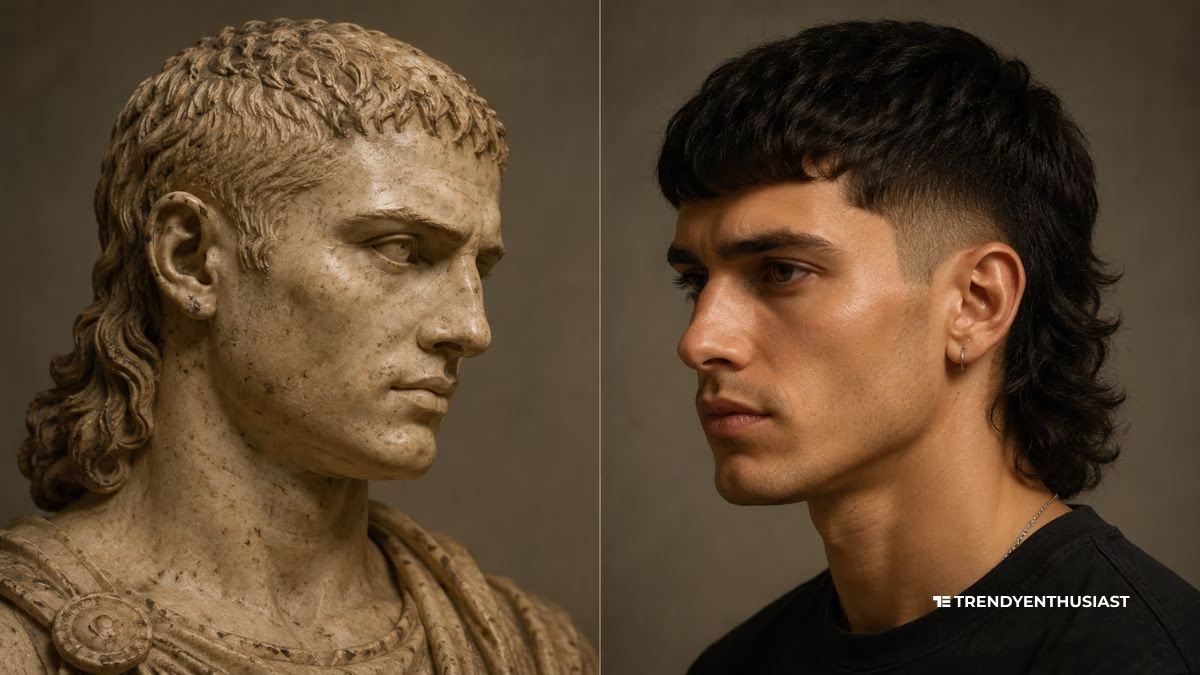
As a stylist, I tell clients this famous “business in the front, party in the back” hairstyle actually dates back to ancient times for practical battle prep and warmth. Prior to the 1994 song “Mullet Head” by the hip-hop group Beastie Boys, who popularized the term “mullet”, we simply referred to this style by nicknames like the bi-level.
As a stylist, I love how combining a neat, short top and front for business with long, flowing locks in the back for a party creates a truly unique, standout look. These cuts stay highly requested in my chair because the style seamlessly blends rebellious flair with bold self-expression, allowing those wearing mullets to embrace a type of grooming that confidently defies conventional standards.
Yes, though straight or fine hair typically needs more active styling — volumising mousse, root-lifting spray, or diffusing — to hold the shape and texture that curly or wavy hair produces more naturally.
The term was coined in 1994 by the Beastie Boys, popularized through their song “Mullet Head” and a companion feature in their Grand Royal magazine. The haircut itself is far older and went by other names, including “the bi-level” and “the Kentucky Waterfall,” before that.
Founder and Editor of Trendy Enthusiast. Ali covers men's fashion, lifestyle, grooming, and the art of dining well - blending real experience with practical insight.
Connect on Instagram