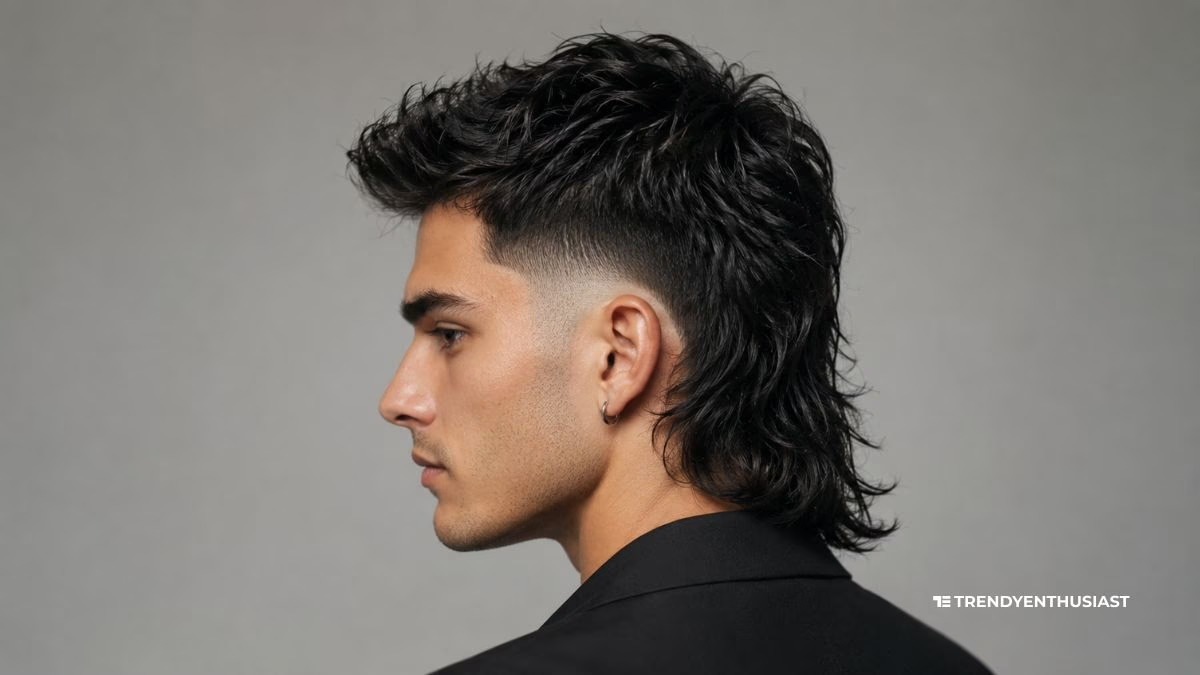
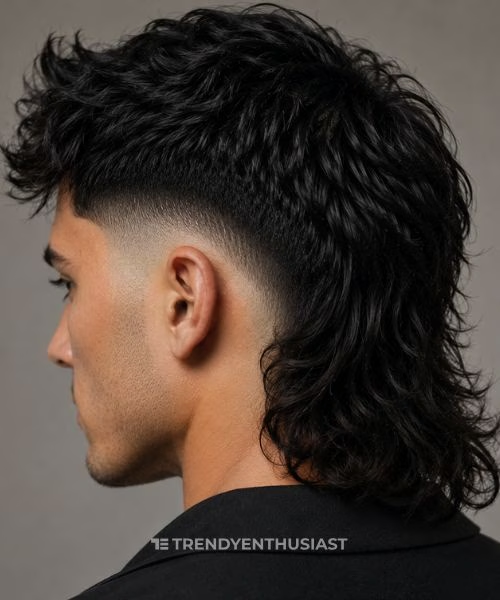
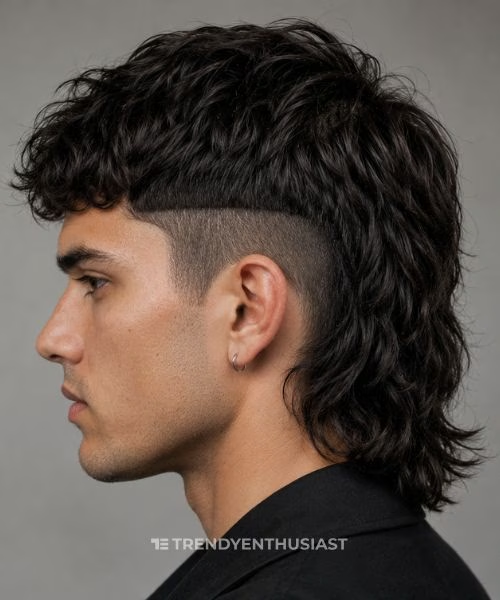
A mullet fade is a mullet where the sides are cut with a graduated fade instead of a blunt cutoff, blending smoothly from short (or skin) at the bottom up into the longer hair on top and at the back.
The Beastie Boys, who coined the word “mullet” in 1994, even described the ideal spec in their own song: a #1 shaver on the sides, a #6 on the crown, back left untouched.
For the full modern mullet picture beyond just the fade, see the Modern Mullet guide.
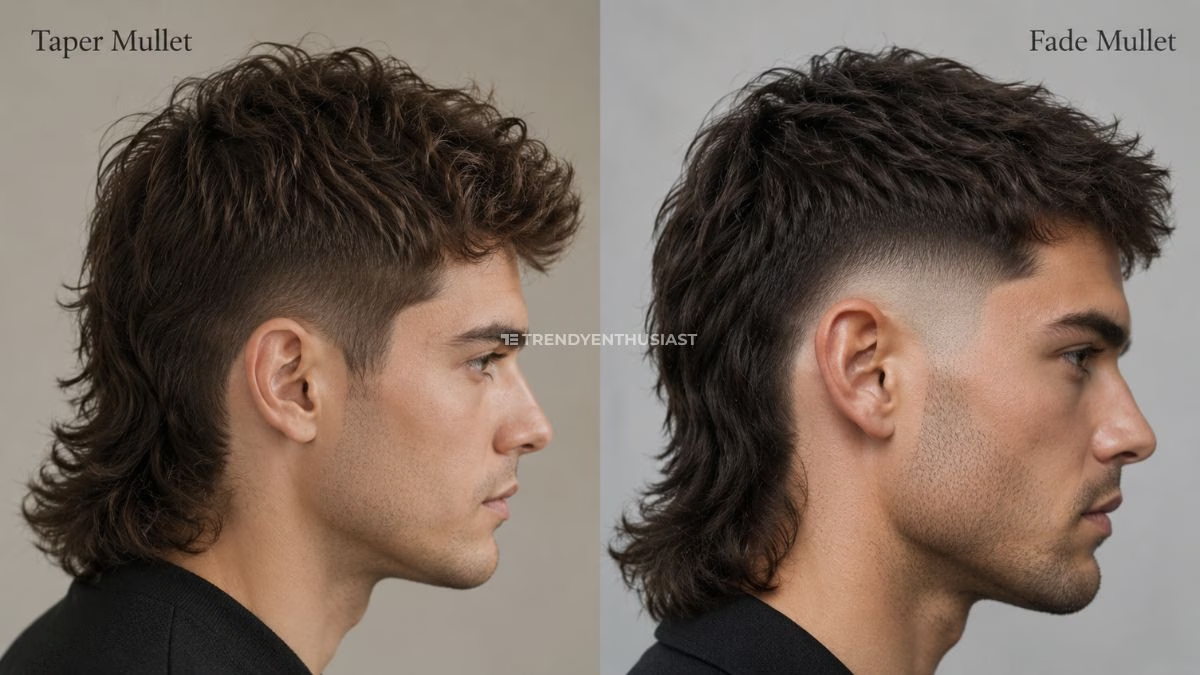
Mullet Fade vs Taper Mullet: What's the Difference?
These two terms get used interchangeably, but they’re not quite the same thing.
A fade blends the sides down to skin or near-skin at the bottom, creating maximum contrast against the length above.
A taper is gentler in which hair gets shorter toward the bottom without ever reaching skin, so the transition is smoother and the contrast is lower.
A taper mullet uses this softer taper technique on the sides. It’s the safer, more conservative entry point into mullet territory, and it’s usually the easiest cut to grow out or maintain without frequent barber visits.
Mullet Fade by Height
Fade Height
Contrast Level
Best For
Low Taper / Low Fade
Subtle - barely visible unless close up
Office-appropriate, low-maintenance grow-out
Mid Fade
Moderate - visible, balanced
Everyday wear with a current, defined look
High Fade
Maximum - bold, dramatic
Statement styling, frequent trims
Low taper mullet keeps the fade close to the ear and neckline, leaving most of the side hair intact above it. It’s the most subtle, most office-appropriate version because the contrast barely registers unless someone looks closely.
Mid fade mullet starts the fade around temple height, giving a more visible but still balanced transition.
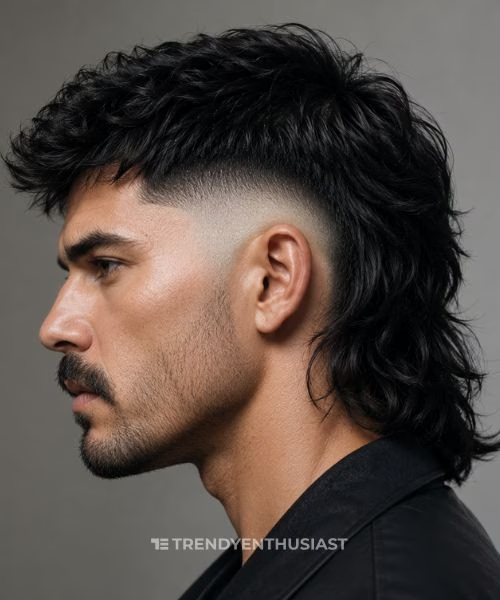
High fade mullet pushes the fade almost to the crown, creating the boldest, most dramatic contrast between the shaved sides and the long top and back.
Mullet Fade by Shape
Beyond height, the shape of the fade line changes the whole read of the cut.
1. Skin fade mullet
Sides taken all the way down to bare skin at the bottom, for the highest possible contrast against the mullet’s length
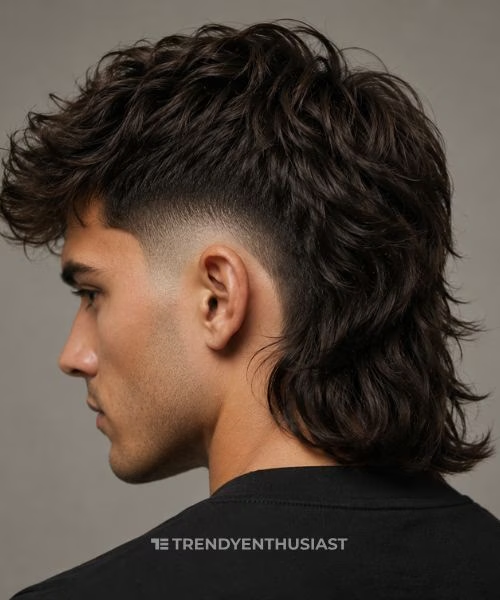
2. Burst fade mullet
The fade curves around the ear in a rounded, horseshoe shape instead of running in a straight line around the head; currently the most requested fade shape on mullets specifically, since the burst shape complements the length at the back particularly well
3. Drop fade mullet
The fade line dips down behind the ear before leveling out, adding curvature and dimension around the back of the skull
4. Disconnected/undercut mullet
No gradual blend at all; a hard, visible line separates the short sides from the long top, for a bolder, more graphic contrast than any true fade. For the full styling routine, see how to style a mullet.
Mullet Taper Fade: The Hybrid Option
A mullet taper fade combines both techniques, a soft taper through the bulk of the side, finishing in a tighter fade right at the hairline or neckline.
This gives a cleaner, more defined edge than a pure taper while avoiding the stark, all-the-way-to-skin look of a full fade.
It’s become one of the most requested combinations specifically because it splits the difference: sharp enough to look intentional, soft enough to be low-maintenance between trims.
Which Mullet Fade Should You Get?
Choose low taper or low fade if: you want something office-appropriate, subtle, and easy to grow out without noticeable regrowth lines.
Choose mid fade if: you want a visible, current cut without going to the most dramatic end of the spectrum.
Choose high fade or skin fade if: you want maximum contrast and don’t mind a trim every few weeks to keep the line sharp.
Choose burst fade if: you have curly or wavy hair at the back, since the rounded shape tends to complement natural texture and movement better than a straight fade line.
Choose taper (no hard fade) if: low maintenance matters more than sharp contrast, a taper grows out gracefully without the visible demarcation line a fade leaves behind.
How to Ask Your Barber for a Mullet Fade
Be specific about three things:
the fade height (low, mid, or high)
the fade shape (skin, burst, drop, or disconnected)
how much length to leave at the back.
“Mullet fade” alone leaves too much open to interpretation, a barber hearing just that phrase could reasonably deliver anything from a subtle low taper to a dramatic skin-fade burst.
Bring a reference photo from the side and back if you can; the fade line is much harder to describe verbally than to point at.
Want the exact barber script instead of guessing how to describe this? Our Hairstyle Matcher generates one, you can copy and take straight to your appointment.
Maintaining a Mullet Fade
Fades and tapers need more upkeep than a classic unfaded mullet, since the whole point is a crisp line that grows out visibly.
Most barbers recommend a touch-up every three to four weeks to keep the fade sharp, skin fades and high fades need trims on the shorter end of that range, while low tapers can usually stretch closer to five or six weeks before the line starts to soften noticeably.
If you are upgrading your personal presentation across hair, beard, and daily styling, read our structured Men’s Grooming Guide for expert-backed advice.
The Bottom Line
“Mullet fade” is really a category, not one specific haircut, height (low, mid, high), shape (skin, burst, drop, disconnected), and technique (fade vs taper) all combine to create dozens of distinct looks.
Get specific with your barber on all three, and you’ll walk out with exactly the version you pictured.
A mullet fade is a mullet haircut where the sides are cut with a graduated fade i.e blending from short or skin at the bottom up into the longer top and back instead of an abrupt, unblended cutoff.
A fade blends the sides down to skin or near-skin for high contrast. A taper mullet uses a gentler transition that never reaches skin, giving a softer, lower-maintenance result.
A skin fade mullet takes the sides all the way down to bare skin at the bottom of the fade, creating the highest possible contrast against the mullet’s longer top and back.
A low taper mullet keeps the fade or taper close to the ear and neckline, leaving most of the side hair length intact — the most subtle, most low-maintenance mullet fade option.
Most mullet fades need a touch-up every three to four weeks to stay sharp, though low tapers can often stretch to five or six weeks before the line noticeably grows out.
A burst fade mullet has a fade that curves in a rounded, horseshoe shape around the ear rather than running straight around the head — currently the most requested fade shape for mullets specifically.