

How to Get Rid of Oily Hair: Why Men Produce More and How to Fix It Properly
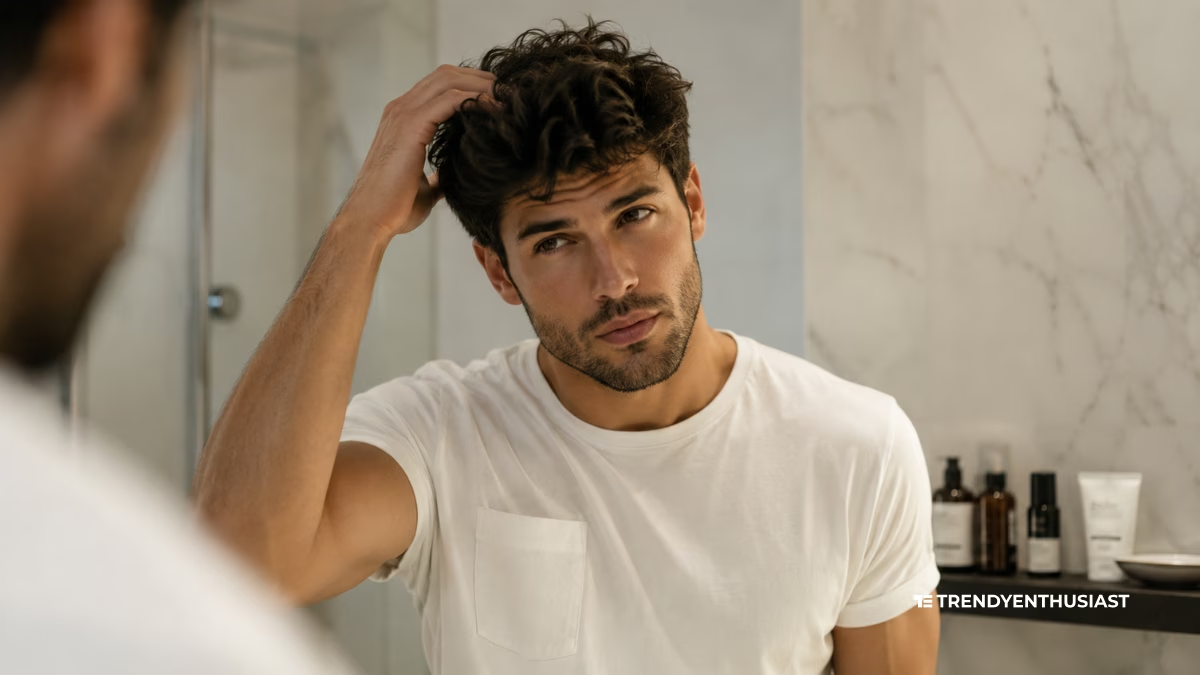
Men get oily hair because male hormones — specifically dihydrotestosterone (DHT), a derivative of testosterone — directly stimulate the sebaceous glands in the scalp to produce more sebum than female hormones do. The average man’s scalp produces significantly more oil than the average woman’s, which is why men experience greasy hair faster, why most grooming advice written for a general audience underestimates how quickly oil accumulates, and why the standard recommendation to “wash your hair less” requires more nuance for men than most guides acknowledge.
The fix for oily hair in men is not simply washing less or washing more. It is calibrating the washing frequency to the individual’s sebum production rate, using the correct shampoo formulation for oil control, eliminating the product choices that compound the problem, and building a routine that works with the scalp’s biology rather than against it. This guide covers all of it — from the physiology to the practical daily routine.
Why Male Hair Produces More Oil Than You Think
To fix oily hair effectively, the underlying mechanism needs to be understood — because most of the counterintuitive advice in this area only makes sense once you know what is actually happening at the scalp.
The sebaceous glands — the oil-producing structures located within every hair follicle — are directly regulated by androgens, particularly dihydrotestosterone. Men have significantly higher androgen levels than women, which means their sebaceous glands are more active, produce more sebum per follicle, and respond more dramatically to hormonal fluctuations — stress, diet, sleep deprivation — than women’s scalps typically do.
This is why the advice “wash your hair two to three times per week” — which is reasonable for the average woman with average sebum production — may be inadequate for a man with high androgen activity. His scalp is producing oil at a rate that outpaces that schedule. The oil is not a hygiene failure. It is a physiological reality.
The second piece of biology worth understanding: the scalp has a feedback mechanism. When oil is stripped from the scalp — by harsh shampoos, very hot water, or excessive washing frequency — the sebaceous glands detect the deficit and upregulate production to compensate. This is the washing paradox: the man who washes his hair every day because it looks greasy is actively making his scalp produce more oil. The grease is, in part, a consequence of the washing behaviour designed to remove it.
Understanding both of these mechanisms — high androgen-driven sebum production and the compensatory upregulation response to over-stripping — is the foundation of an effective oily hair routine.
The Washing Frequency Question: The Honest Answer for Men
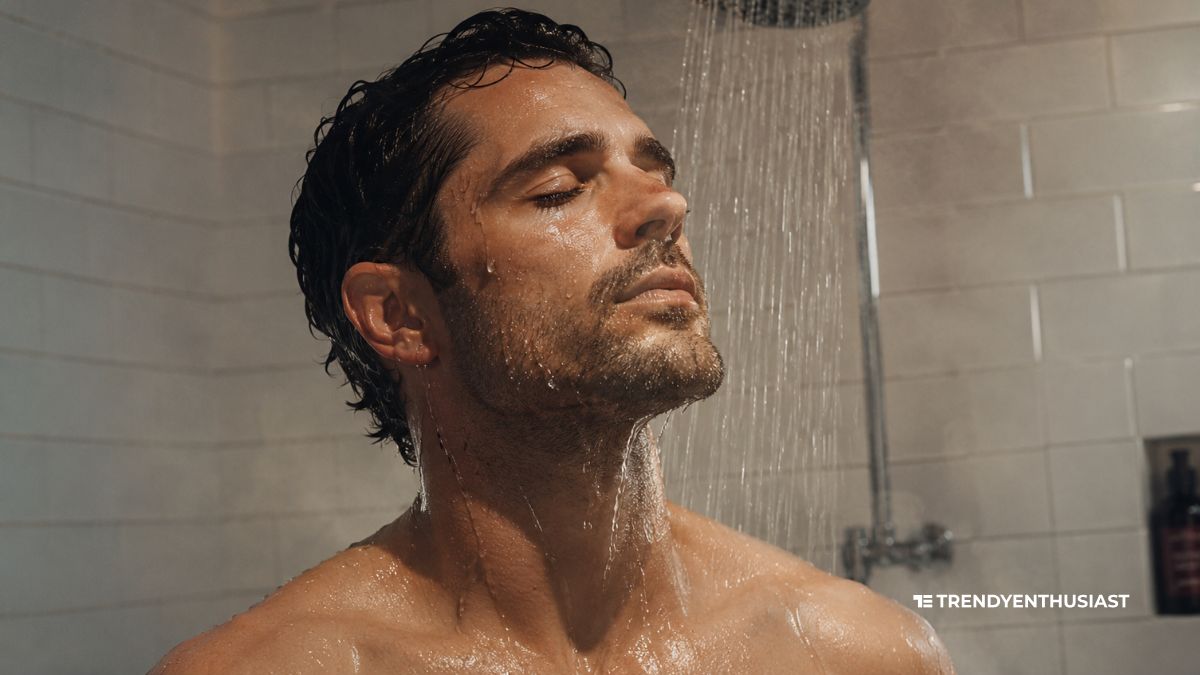
Most oily hair guides tell men to wash less. This advice is directionally correct and practically incomplete.
The correct washing frequency for oily hair is the frequency at which the scalp is cleaned before product buildup and excess sebum affect the hairstyle and scalp health — but not so frequently that the stripping-compensation cycle is triggered.
For most men with oily hair, this is every other day. Not every day. Not twice a week.
Every-other-day washing interrupts the daily over-washing cycle without allowing enough oil to accumulate to trigger the scalp conditions — seborrheic dermatitis, folliculitis, persistent product buildup — that arise from genuinely infrequent washing on a high-sebum scalp.
The transition period: If you are currently washing daily, moving to every other day will produce approximately one to two weeks of increased greasiness as the scalp recalibrates. This is the compensatory mechanism working in reverse — the glands are producing at the elevated rate that daily washing trained them to, and they take time to downregulate. Push through the transition rather than reverting to daily washing. The scalp will rebalance.
For men with extremely high sebum production — where even every-other-day washing leaves the hair visibly oily by the afternoon — the intermediate solution is dry shampoo applied at the roots on non-wash days, combined with a clarifying shampoo once per week. The clarifying shampoo removes the accumulated product and sebum that regular shampoo cannot fully address. Used weekly, it does not trigger the compensatory response that daily harsh washing does.
The Right Shampoo for Oily Hair in Men
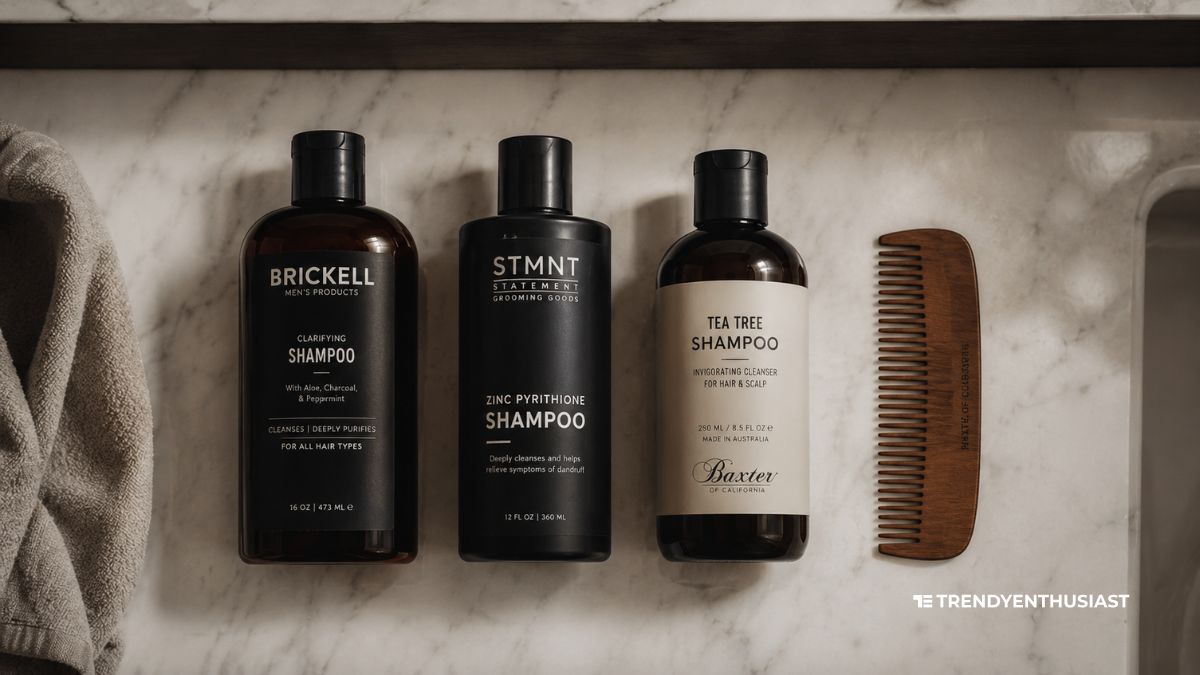
Not all shampoos address oily hair effectively. The formulation matters more than the brand.
What to look for:
Clarifying shampoos: Formulated to remove sebum, product buildup, and environmental deposits more thoroughly than regular shampoos. Use once per week on heavily oily hair — not daily. Daily use of a clarifying shampoo strips the scalp aggressively and triggers the compensatory sebum response.
Sulphate-based shampoos for oily scalps: Contrary to the broad “sulphate-free” recommendation that has become mainstream grooming advice, men with oily hair often benefit from sulphate-containing shampoos used at the correct frequency. Sulphates — sodium lauryl sulphate and sodium laureth sulphate — are effective surfactants that cut through sebum. The problem is not sulphates per se; it is daily use. Every-other-day use of a sulphate shampoo is appropriate for high sebum production. Daily use is not.
Shampoos containing zinc pyrithione: Zinc pyrithione addresses the seborrheic dermatitis component that frequently accompanies oily scalp in men — the fungal overgrowth (Malassezia) that excess sebum feeds, producing the itching, flaking, and redness that often accompanies persistent oiliness. Head & Shoulders and similar brands use zinc pyrithione specifically for this reason.
Shampoos containing salicylic acid: Salicylic acid is a beta-hydroxy acid that exfoliates the scalp surface, removing the dead skin cell buildup that traps sebum at the root. Particularly effective for men who experience both oily hair and scalp flaking.
Tea tree oil shampoos: Tea tree oil (melaleuca) has demonstrated antifungal and antimicrobial properties relevant to seborrheic dermatitis. Research published in the Journal of the American Academy of Dermatology found tea tree oil shampoos reduced dandruff severity by 41% compared to placebo — the fungal component being a contributor to persistent scalp oiliness in affected men.
What to avoid:
Moisturising or hydrating shampoos — formulated for dry hair, these add oils and emollients to the hair shaft that compound oiliness. Any shampoo marketed as “smoothing,” “nourishing,” or “intensive conditioning” is the wrong choice for an oily scalp. Read the intended hair type on the label before purchasing.
Conditioner: The Biggest Oily Hair Mistake Most Men Make
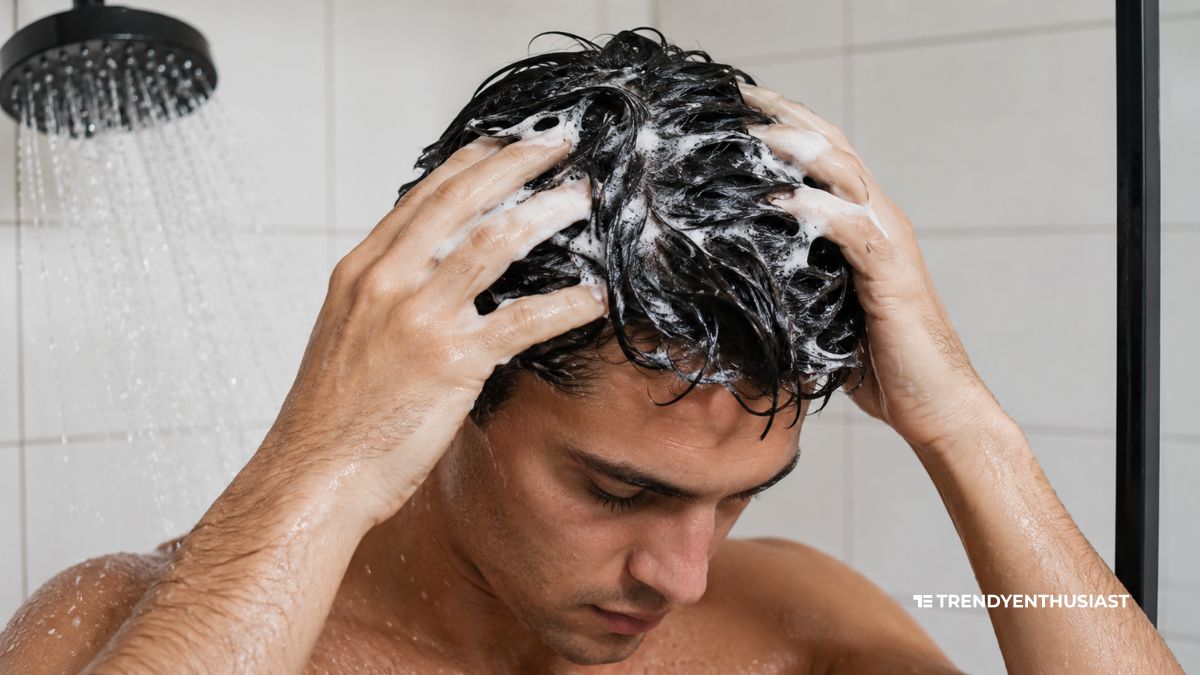
Conditioner applied to the scalp is the most common self-inflicted cause of oily-looking hair in men with an already oily scalp.
Conditioner is designed for the hair shaft — specifically the mid-lengths and ends — where it replaces moisture lost through washing, reduces frizz, and improves manageability. It is not designed for the scalp. Applied to the scalp, it deposits oils and silicones directly onto the area already overproducing sebum, creating the appearance of extreme greasiness within hours of washing.
The correct conditioner application for oily hair: apply from mid-length to ends only. Never at the roots. Never massaged into the scalp. If the hair is short — under three inches — consider skipping conditioner on wash days entirely and using a leave-in conditioner on the ends only on non-wash days if dryness is a problem.
For men with very oily hair who find conditioner necessary for manageability: a lightweight, oil-free conditioner applied exclusively to the last two inches of hair, rinsed thoroughly, is the maximum that the scalp environment will tolerate without compounding the oil problem.
The Temperature and Rinsing Variables
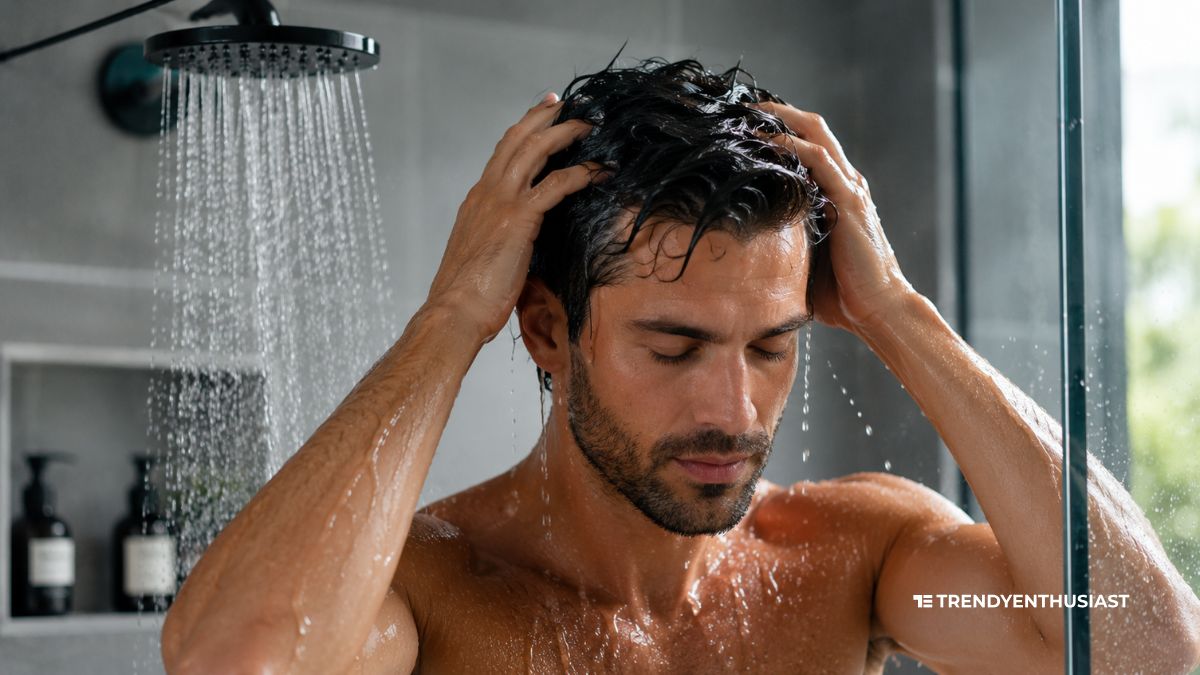
Two shower habits that significantly affect scalp oil production and are almost never mentioned in grooming guides aimed at men.
Water temperature: Hot water — the default for most men’s showers — stimulates the sebaceous glands and opens the pores in a way that increases short-term oil production. Finishing a hair wash with a cool or lukewarm rinse closes the pores and reduces the immediate post-wash oil response. This is not a minor effect — men who switch from all-hot to a final cool rinse frequently report noticeable improvement in how long the hair stays clean before becoming visibly oily.
Rinsing thoroughness: Shampoo and conditioner residue left on the scalp after insufficient rinsing acts as a sebum trap — the residue creates a coating on the scalp surface that sebum adheres to, causing the hair to look greasy faster than the scalp’s actual production rate would produce. Rinse for longer than feels necessary. The scalp should feel completely clean after rinsing — no slipperiness, no residue.
Styling Products and Oily Hair: What Compounds the Problem
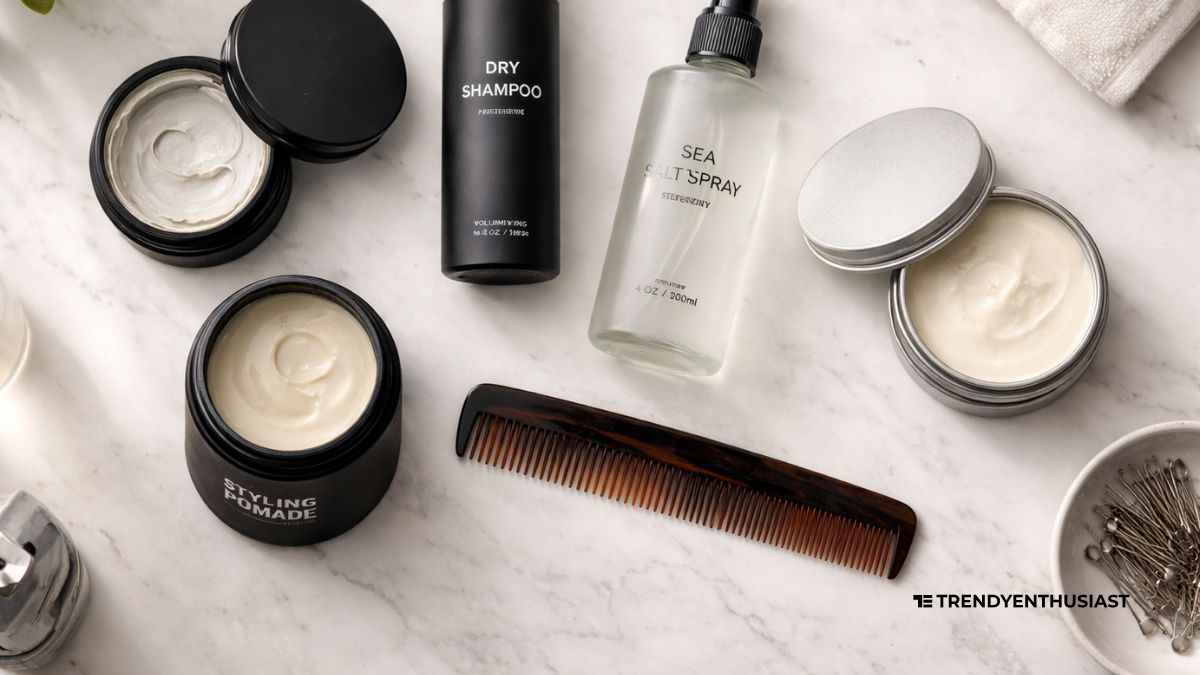
The wrong styling product on an already oily scalp is one of the fastest routes to hair that looks greasy within two hours of washing.
What makes oily hair worse:
Heavy pomades and oil-based waxes: Add direct oil to the hair that compounds the scalp’s existing production. Avoid entirely on an oily scalp.
High-shine finishing products: Gloss sprays, shine serums, and any product designed to increase reflectivity read as extreme greasiness on oily hair. The sheen from the product is indistinguishable from sebum sheen visually.
Products applied too close to the roots: Any product applied at the scalp rather than through the mid-length and ends adds to the root buildup that makes hair look greasy.
Silicone-containing products: Silicones create a coating on the hair shaft that product residue and sebum adhere to over time. Initially they make hair look smooth and manageable. Over repeated use they contribute to the buildup that makes hair look permanently heavy and oily.
What works on oily hair:
Matte clays and pastes: Applied to dry hair through the mid-length and ends, not the roots. Matte finish does not compound the visual appearance of sebum. Medium hold with no shine.
Dry shampoo at the roots on non-wash days: The most effective short-term management tool for oily hair. Spray at the roots, wait three minutes, massage in and brush through lightly. Absorbs excess sebum and adds volume. Use the correct amount — too much produces a white cast and chalk-like texture.
Sea salt spray: Applied to damp hair before styling, adds texture and grip without oil content. Avoid on very dry scalps — the salt can be drying.
How Your Hairstyle Affects How Greasy Your Hair Looks
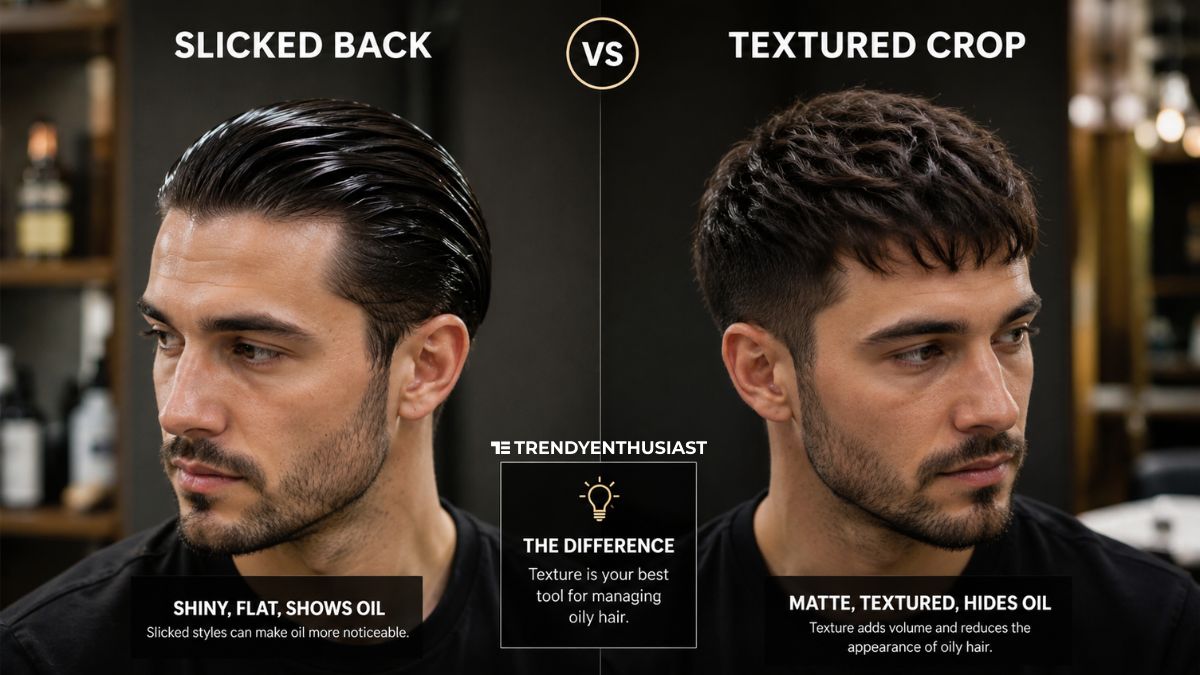
This is the element most grooming guides for oily hair omit entirely — and it is immediately actionable.
Certain hairstyles make oily hair significantly more visible than others. The wrong cut for an oily scalp can make hair appear greasy two hours after washing. The right cut can extend the apparent freshness of the same head of hair by several hours.
Hairstyles that work poorly on oily hair:
Flat, smooth styles — the slicked-back look, the clean side part with high-shine pomade, anything that lies flat against the scalp — maximise the visible surface area of the hair at the scalp, where sebum is most concentrated. These styles make oily hair look visibly oily faster than any other category.
Hairstyles that work well on oily hair:
Textured styles — the textured crop, the messy quiff, the bedhead cut — lift the hair away from the scalp and create separation that visually dilutes the appearance of oil. A textured crop on a man with oily hair will look presentable for several hours longer than a smooth style on the same head of hair with the same sebum production rate.
This is why the Hairstyle Matcher includes hair type — including oiliness — as a variable in its recommendations. The right hairstyle for your scalp type is not just a style preference. It is a grooming strategy.
For the specific textured styles that work best on oily hair — and how to execute them correctly with the right product — the Messy Haircut Men guide and the Mens Messy Hairstyles hub cover every option in detail.
The Oily Hair Grooming Routine: Day by Day
Wash days (every other day for most men):
Morning: Wash with an oil-control or clarifying shampoo. Use lukewarm water throughout, finishing with a cool rinse. Apply conditioner to ends only if needed. Rinse thoroughly for thirty seconds longer than feels necessary. Pat dry — do not rub vigorously, which stimulates the scalp. Apply a small amount of matte clay to dry hair through the mid-length and ends. Style as normal.
Non-wash days:
Morning: Apply dry shampoo to the roots. Wait three minutes. Massage gently into the scalp and brush through lightly. Style as normal using existing product if needed — no additional product at the roots.
Weekly (Sunday or equivalent):
Use a clarifying shampoo instead of regular shampoo. This removes accumulated product buildup, environmental deposits, and sebum that regular shampoo leaves behind. Follow with conditioner on the ends only. This weekly reset prevents the progressive buildup that makes oily hair look worse over time despite regular washing.
When Oily Hair Is a Scalp Condition, Not a Routine Problem
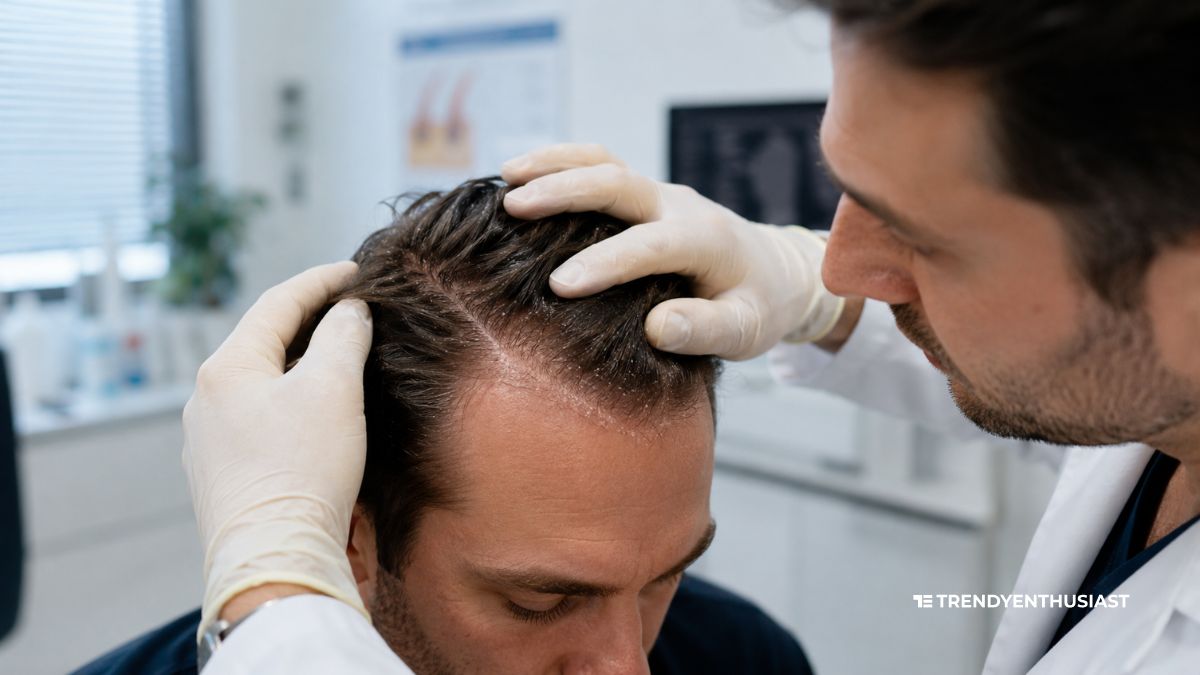
Persistent oily hair that does not respond to the routine adjustments above — specifically hair that becomes visibly greasy within one to two hours of washing regardless of product choices — may indicate seborrheic dermatitis, a chronic inflammatory condition of the scalp that causes overactive sebaceous glands alongside flaking, redness, and itching.
Seborrheic dermatitis affects approximately 3-5% of the population and is significantly more common in men than women, again due to androgen activity. It is not a hygiene condition and is not corrected by more frequent washing. It requires specific treatment — typically a medicated shampoo containing zinc pyrithione, ketoconazole, or selenium sulphide, used consistently.
If the grooming routine described above produces no improvement after four to six weeks of consistent application, a GP or dermatologist referral for scalp assessment is the appropriate next step. The condition is manageable — but with medicated rather than cosmetic intervention.
The Groomed Man System
Oily hair sits within a broader grooming picture — and managing it correctly opens up the hairstyle options that an unmanaged oily scalp forecloses.
Once the washing frequency is correct, the right shampoo is in use, and the product choices are no longer compounding the problem, the textured styles that work best on oily hair become achievable. The matte clay that looks right on a textured crop. The sea salt spray that builds the grip for a messy quiff. The dry shampoo that extends non-wash days into styleable ones.
For the complete Groomed Man framework — haircut guides, beard oil technique, product selection across every grooming category:
The Taper Haircut Guide — the cut that frames every textured style correctly. The Quiff Hairstyle Guide — which variation works for your face shape and hair type. How to Use Beard Oil Properly — the complete application technique for the skin beneath the beard.
Frequently Asked Questions
Male hormones — specifically dihydrotestosterone (DHT), a derivative of testosterone — directly stimulate the sebaceous glands in the scalp to produce more sebum than female hormones do. Men have significantly higher androgen levels, meaning their scalps produce more oil per follicle and respond more dramatically to hormonal fluctuations including stress and diet. This is a physiological difference, not a hygiene difference. It means that grooming advice written for general audiences frequently underestimates how quickly male scalps produce oil.
No — and for most men it makes the problem worse. Washing hair too frequently strips the scalp of its natural oils, which triggers the sebaceous glands to upregulate production to compensate. The man who washes his hair every day because it looks greasy is actively training his scalp to produce more oil. The correct frequency for most men with oily hair is every other day, with a clarifying shampoo used once per week to remove accumulated buildup. The transition from daily to every-other-day washing produces a temporary increase in oiliness that resolves after one to two weeks as the scalp recalibrates.
The most effective shampoos for oily hair in men contain zinc pyrithione (which addresses the fungal component of seborrheic dermatitis that accompanies oily scalps), salicylic acid (which exfoliates the scalp surface and removes dead skin buildup that traps sebum), or tea tree oil (which has demonstrated antifungal properties relevant to scalp conditions). A clarifying shampoo used once per week removes the product buildup that regular shampoo cannot fully address. Avoid moisturising, nourishing, or smoothing shampoos — these are formulated for dry hair and compound oiliness.
The most impactful changes are washing frequency (every other day, not daily), finishing the hair wash with a cool water rinse (which closes pores and reduces immediate post-wash oil production), applying conditioner only to the ends rather than the scalp, switching to a matte styling product rather than a shine-adding one, and choosing a textured hairstyle rather than a flat smooth style that makes scalp oil more visible. The hairstyle choice is the most immediately actionable change — textured cuts lift the hair away from the scalp and visually dilute the appearance of oil for several hours longer than smooth styles.
Not necessarily. In most men, oily hair is a normal result of androgen-driven sebum production and routine adjustments address it entirely. Persistent oily hair that does not respond to routine changes — specifically hair that becomes greasy within one to two hours of washing despite correct product choices and frequency — may indicate seborrheic dermatitis, a chronic inflammatory scalp condition more common in men than women. This requires medicated shampoo treatment rather than cosmetic adjustment. If standard routine changes produce no improvement after four to six weeks, a dermatologist assessment is appropriate.
For the full picture of how hair, beard, and fragrance work together, see The Modern Man’s Grooming Guide.
The Groomed Man series is now complete: Beard Oil · Quiff Hairstyle · Taper Haircut · Messy Haircut · Mens Messy Hairstyles
Further Reading



Ali Taimour
Ali Taimour is the founder and editor of Trendy Enthusiast, a men's digital publication dedicated to fashion, grooming, lifestyle, and culture.
Connect on Instagram